




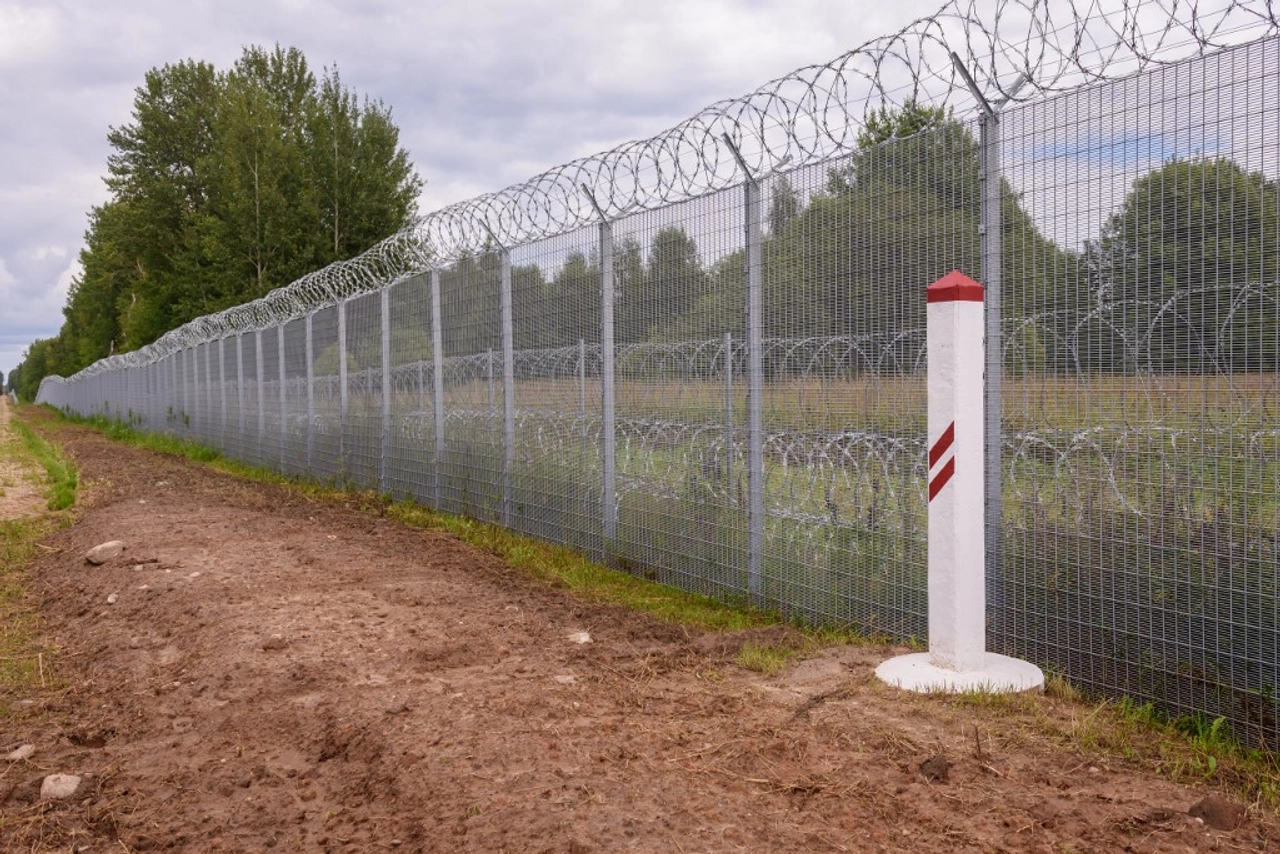
Riga Airport has played down concerns over Russia’s decision to temporarily suspend traffic through several railway border crossings with Finland, Estonia and Latvia, saying the move is unlikely to affect air cargo operations across the Baltic region.
The airport said the closure of the Kārsava–Pytalovo rail crossing in Latvia is not expected to disrupt freight flows, as the route has mainly served as a secondary corridor with relatively low traffic volumes.
Instead, most rail freight between Latvia, Russia and Central Asia continues to move through the Zilupe–Sebezh crossing, which remains fully operational.
According to Nauris Sedols, Head of Aviation Cargo Development at Riga Airport, there is no indication that cargo will shift from rail to air as a result of the temporary closure.
He explained that Latvia has not had direct cargo flights or road feeder services (RFS) connecting with Russia for several years, making such a transition highly unlikely.
Sedols also pointed out that, unlike in parts of Western Europe, rail is not commonly used as part of the air cargo supply chain in the Baltic region. As a result, airport cargo operations are expected to continue without disruption.
While Russia’s decision has raised questions about regional transport links, Riga Airport believes the impact will remain limited, with existing logistics networks continuing to operate as normal and no significant changes expected for Baltic airfreight.