



The United States has stepped up its fight against organised crime by targeting what officials say is a major fuel-smuggling network linked to the Jalisco New Generation Cartel (CJNG).
On Tuesday, the U.S. Treasury Department announced sanctions against two Mexican nationals and nine companies accused of helping the cartel generate millions of dollars through the illegal movement of fuel between the United States and Mexico.
While drug trafficking remains the cartel’s best-known business, investigators say fuel has quietly become one of its biggest money-makers. Officials believe criminal groups are increasingly turning to fuel theft and tax fraud as a way to diversify their income while taking advantage of legitimate transport and logistics networks.
According to U.S. authorities, the operation worked in several ways. Some fuel was allegedly stolen directly from Mexico’s state-owned oil company, Pemex, before being smuggled across the border. In other cases, fuel purchased in the United States was transported into Mexico using false customs declarations to avoid paying import taxes.
Treasury Secretary Scott Bessent said the case shows how rapidly organised crime is evolving.
“Today’s action highlights the extent to which Mexico’s cartels are expanding beyond traditional drug trafficking to generate revenue for their criminal organisations,” he said.
Among those sanctioned is Oscar Guillermo Juraidini Silva, who investigators describe as one of the network’s key financial operators. Authorities allege he used shell companies and falsified paperwork to disguise shipments and move money connected to the operation.
A second individual, J. Refugio Ruiz Villagomez, is accused of using logistics businesses to move fuel across the border without the necessary permits while allegedly paying criminal groups that control certain border crossings.
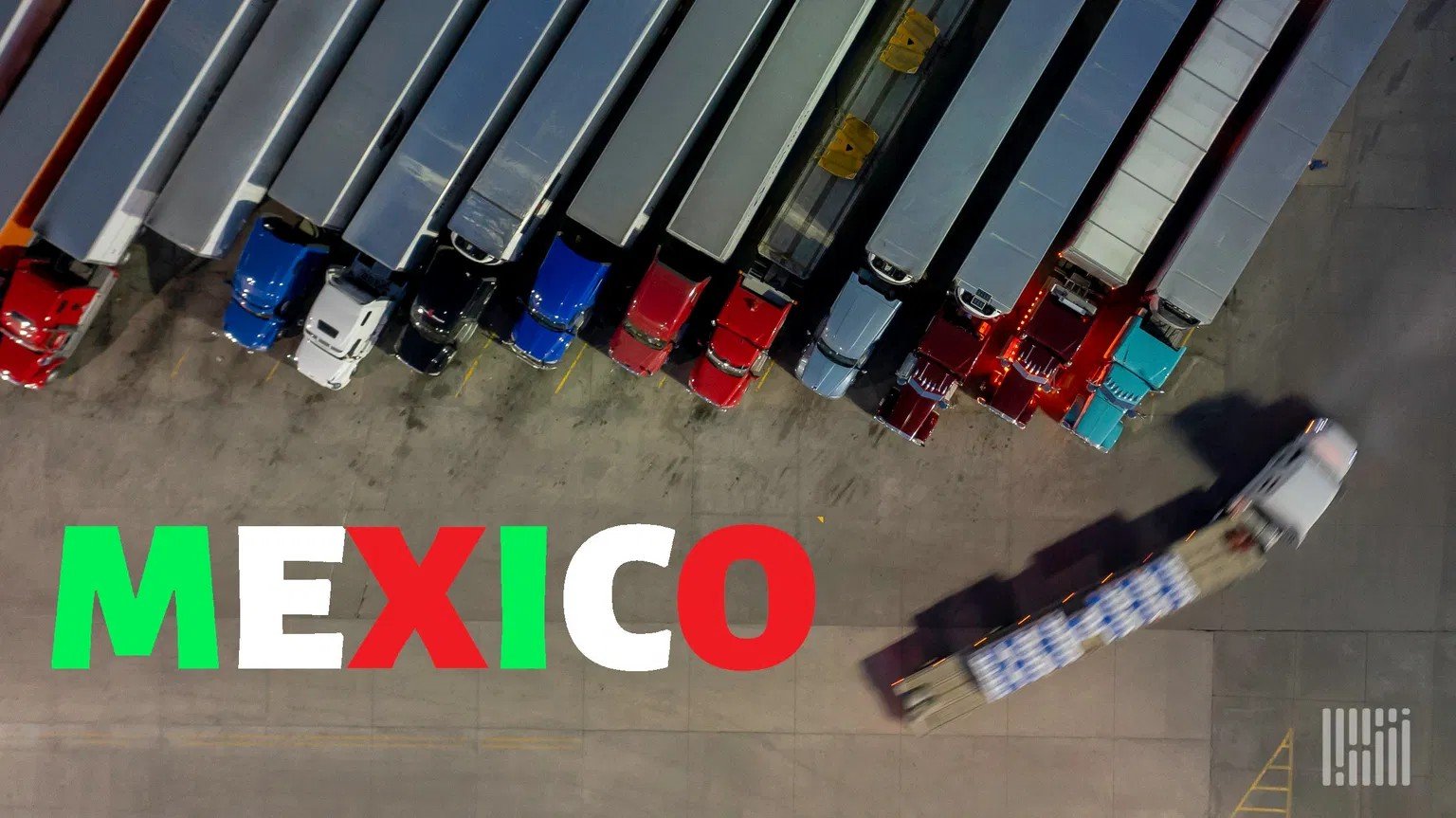
Officials say the scheme relied on businesses that looked legitimate on paper. Fuel was allegedly moved using freight companies, tanker trucks, rail services and other commercial transport channels, making it much harder to distinguish illegal shipments from ordinary cross-border trade.
The investigation also revealed just how large the financial network had become. The Treasury says it reviewed more than 160 suspicious activity reports, uncovering over US$7 billion in questionable transactions, most of them involving payments between the United States and Mexico.
Texas emerged as one of the main areas under scrutiny, with investigators tracing activity to border cities including Brownsville, McAllen, Mission and Eagle Pass, where many companies linked to transportation and energy operate.
For both governments, the issue goes far beyond organised crime. Fuel theft has become a major economic problem, with estimates suggesting it cost Mexico around US$9 billion in lost tax revenue during 2024. Some analysts believe that as much as one-third of the fuel sold across the country now comes from illegal or adulterated sources.
The latest sanctions freeze any U.S.-based assets belonging to the designated individuals and companies while preventing American businesses from doing business with them. Authorities also warned that foreign banks or financial institutions that knowingly assist the network could face secondary U.S. sanctions.