The report highlights continued investment in engineering projects, public infrastructure and institutional, commercial and industrial (ICI) construction as the main drivers of growth across the province.
Engineering construction has seen a substantial increase since 2022, with large projects, such as the Canadian Malartic Odyssey Mine, big road, bridge and tunnel projects and big investments by Hydro-Québec.
While spending is expected to ease in the coming years as projects including the Champion Iron and ArcelorMittal modernization are completed, BuildForce believes the slowdown will be temporary. Ongoing infrastructure investments from Hydro-Québec and other heavy industrial projects are expected to sustain activity before engineering construction returns to growth over the longer term.
Road, highway and bridge construction, however, is expected to gradually decline as several flagship projects approach completion. These include the Louis-Hippolyte-La Fontaine, Ville-Marie and Viger tunnels, as well as the Pont de l’Île-aux-Tourtes and Île-d’Orléans bridge projects.
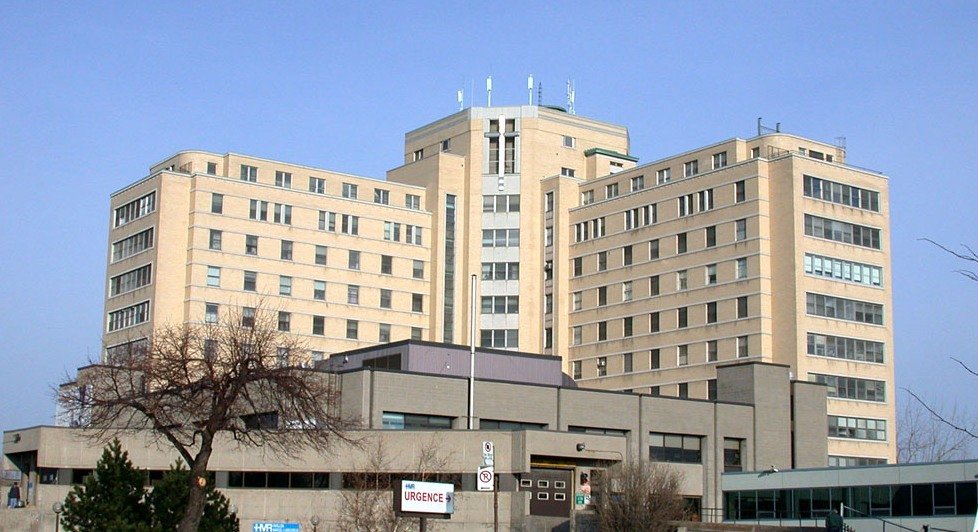
Beyond that, investment levels are forecast to remain relatively stable through the end of the decade, supported by several multibillion-dollar developments. These include the Centre Hospitalier Universitaire de Québec, the modernization of Hôpital Maisonneuve-Rosemont, Hôpital Vaudreuil-Soulanges and the new university-affiliated hospital planned in Gatineau.
Commercial construction is also expected to strengthen as demand from the service sector continues to recover.
Industrial construction may soften in the short term following the completion of several major projects, but BuildForce expects that slowdown to be largely offset by the planned Bécancour Battery Material Plant.
Employment in Quebec’s non-residential construction sector is expected to grow to almost 128,000 workers in 2024 before tapering off slightly in 2025. The workforce is expected to shrink modestly over the medium term as a number of large projects are completed by 2029.
Looking further ahead, the province is expected to need as many as 23,800 new workers by 2035. During that period, around 25,400 workers, representing 19% of the 2025 workforce, are expected to retire. BuildForce projects that 27,100 workers under the age of 30 will enter the industry, helping offset those departures.
Despite that recruitment, the report suggests Quebec’s non-residential construction sector could still have a surplus of roughly 3,300 workers by 2035. BuildForce notes that the Commission de la construction du Québec is expected to play a role in balancing labour supply and demand across the province.
On the residential side, the outlook is more cautious.
Housing starts hit a recent peak in 2025 just shy of 60,000 units but BuildForce expects a gradual slowdown in construction activity as population-driven demand diminishes. Still, the accumulated housing demand is expected to prevent a severe market correction.
The decline will be led by a slowing in the demand for multi-unit housing. In the long term, multi-unit construction is expected to level off to about 28,000 units annually, with low-rise apartment buildings continuing to take the largest share of new construction.
Overall, new home construction is forecast to decline from 2026 through the medium term.
By 2027, residential renovation activity is expected to become the largest contributor to investment in the residential sector, helping support moderate growth in overall construction activity later in the forecast period.
Employment reflects the same trend. In 2025, the residential construction industry employed over 110,000 workers, but it could experience a 12% loss in its workforce by 2035, most of which will be from the new home construction industry where employment will decline by almost 36%.