



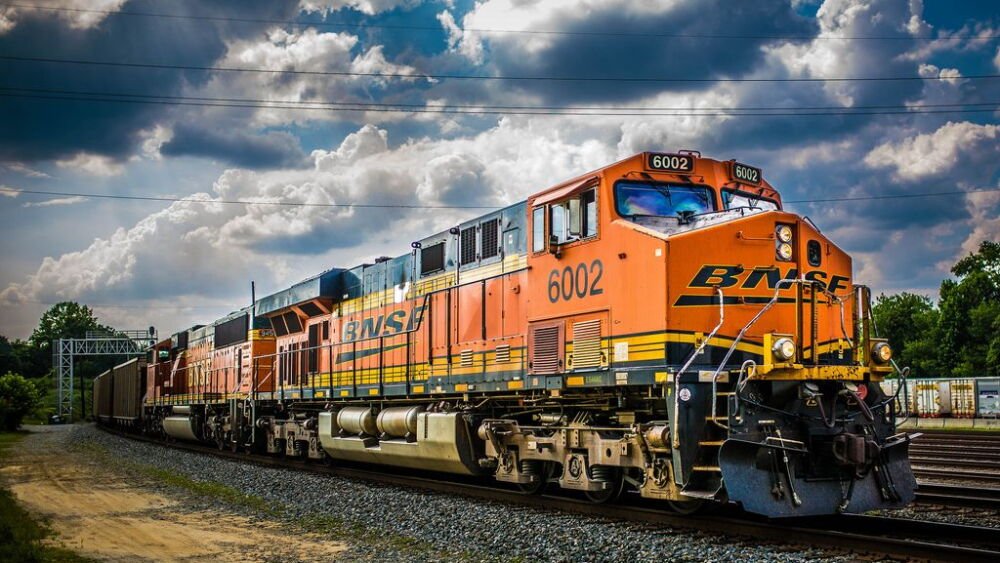
BNSF has once again voiced strong opposition to the proposed merger between Union Pacific (UP) and Norfolk Southern (NS), arguing that the latest filing submitted to U.S. regulators does not resolve the competition concerns surrounding the transaction.
In a statement released on Tuesday, BNSF President and CEO Katie Farmer said the company is reviewing the additional information requested by the U.S. Surface Transportation Board (STB). However, she maintained that the fourth version of the merger application still fails to demonstrate how combining two of the country’s largest freight railroads would preserve—or improve—competition, as required under the STB’s merger rules.
Farmer’s comments came one day after Union Pacific and Norfolk Southern submitted supplemental information requested by the STB. The board had conditionally accepted the companies’ second merger application in late May while asking for additional details before continuing its review.
According to Farmer, the latest filing introduces what UP and NS describe as new measures, but she argued that they remain overly complex, include numerous limitations, benefit only a small number of customers, and would only be available for a limited period. In her view, these proposals do little to offset what she describes as the significant anti-competitive impact of allowing a single company to control roughly half of the U.S. rail freight market.
Data from Railfax indicates that a combined Union Pacific and Norfolk Southern would account for approximately 37% of North America’s rail traffic. BNSF also pointed to the recently announced operating agreement between the merged railroad and Canadian National, which would add another 13% to that combined market presence, bringing the total to around 50%.
Farmer also criticized the expansion of the proposed Committed Gateway Pricing (CGP) program, which Union Pacific and Norfolk Southern have presented as a customer protection measure. She argued that the program would apply to only about 1% of rail shipments, expire after a few years, and, according to the merger application itself, ultimately increase rates for many of the customers who use it.
The proposed gateway protections would cover major rail interchange locations, including Chicago, St. Louis, and the U.S.–Mexico border.
Farmer concluded that the additional information submitted by Union Pacific does not alter BNSF’s position. She said the merger remains an anti-competitive transaction between two financially healthy railroads that would reduce shipping options, increase transportation costs for rail customers, lead to higher prices for consumers, and negatively impact the broader U.S. economy and supply chain.