




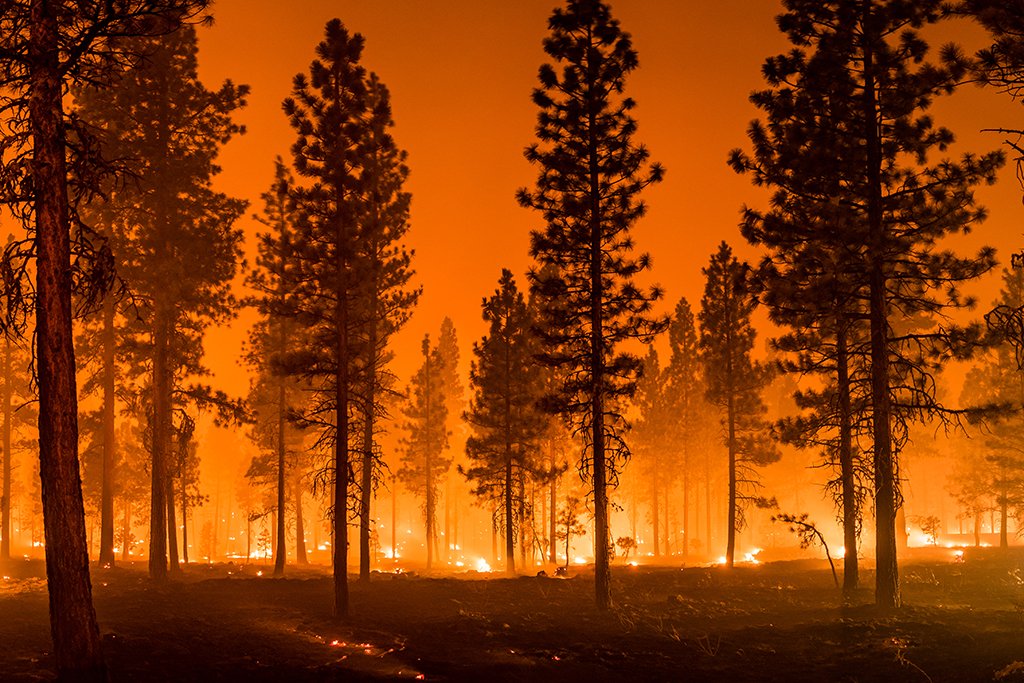
As wildfires continue to affect parts of British Columbia, WorkSafeBC is encouraging employers to review their emergency procedures and ensure workers can evacuate workplaces quickly and safely when conditions worsen.
The organization says that employers need to understand the risks of wildfires and other emergencies specific to their workplaces, and put plans in place that can be put into action without warning.
“Emergencies and disasters can happen anytime and without warning,” said Todd McDonald, Head of Prevention Services, WorkSafeBC. He said better preparation can make employers better able to respond when an emergency occurs.
Clear evacuation plans are necessary
WorkSafeBC suggests that employers begin by determining the situations that may call for an evacuation, such as wildfires and other hazards specific to their area.
Workplaces should clearly identify primary and alternate evacuation routes. Exits shall be conspicuously marked and shall be kept free of obstructions to permit workers to leave without unnecessary delays.
Employers should also have an effective system for notifying workers. Employes need to know how they will be notified and the difference between an evacuation alert and an evacuation order.
It is also important to clearly assign responsibilities. Workers need to know who is in charge of the evacuation and who is responsible for assisting co-workers, visitors or others to safety.
Evacuation should never be delayed to shut down equipment
Emergency plans should also address equipment or processes that may need to be shut down during an evacuation.
Employers should specify how equipment can be safely shut down, and who is responsible for shutting it down. Special attention should be paid to materials or industrial processes that could be dangerous in the event of fire.
But WorkSafeBC stresses that if there is an immediate threat to the safety of workers, they should never delay an evacuation to power down equipment or complete other tasks.
Emergency planning should also consider the needs of all people at the workplace including visitors, people who might need assistance, workers with disabilities and those who do not speak English.
Training and drills should be a routine
WorkSafeBC recommends reviewing the emergency plan with employes, providing proper training and conducting evacuation drills at least once a year.
It is also important to review plans on a seasonal basis or when the risk of an emergency increases to ensure that procedures remain appropriate as conditions change.
The organization says preparation should go beyond the immediate threat of flames.
Wildfire smoke is still a hazard in the workplace
Wildfire smoke can affect workers even when a fire is some distance from the worksite. Therefore, employers should monitor local air-quality conditions and modify operations accordingly.
Measures could include moving or rescheduling work, reducing strenuous physical activity and improving indoor air quality, depending on conditions.
For employers operating during wildfire season, having a detailed evacuation strategy and adapting work practices to changing conditions are key elements of protecting workers when emergencies develop rapidly, says WorkSafeBC.