




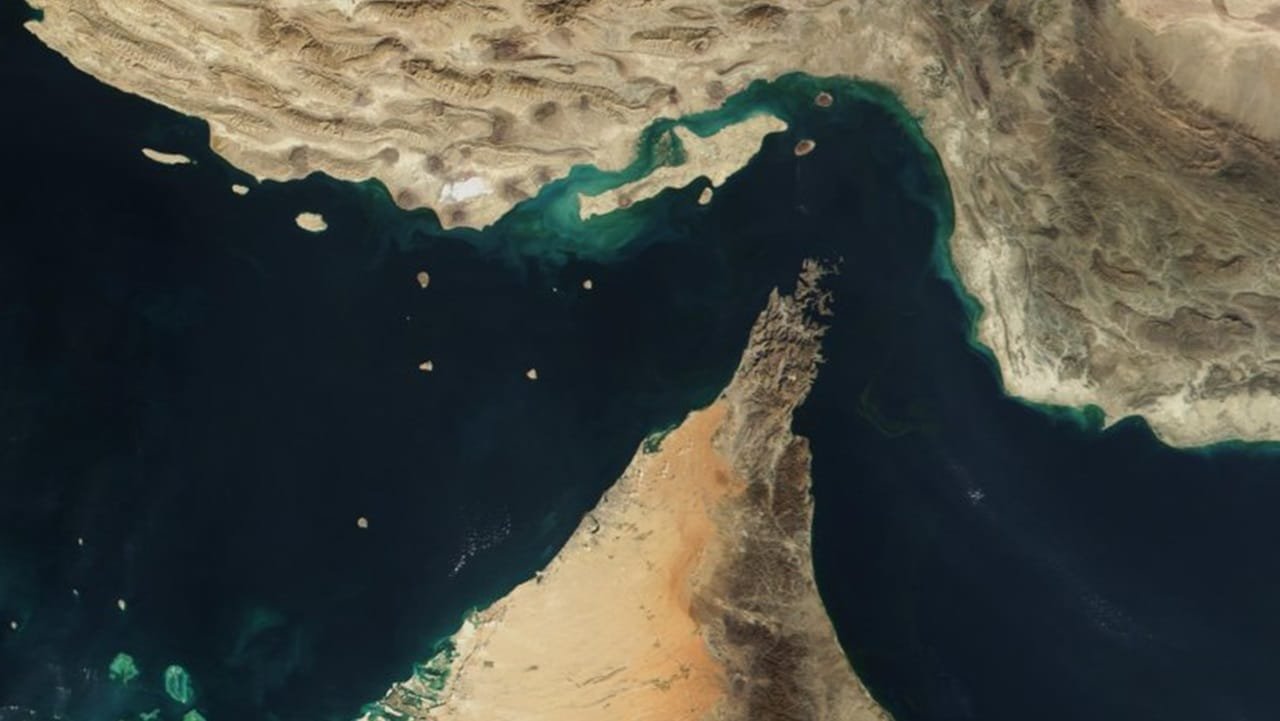
The ongoing crisis in the Strait of Hormuz has only highlighted Iraq’s reliance on the vital waterway, and the country is stepping up efforts to develop alternative routes for exporting crude oil and petroleum products.
The question has huge economic consequence for Iraq. It is the second-largest OPEC oil producer after Saudi Arabia and oil revenues make up about 90% of the national budget.
Prior to the Iran war Iraq’s crude oil exports exceeded 3 million barrels per day (bpd) and most of those shipments went through the Strait of Hormuz. The waterway also carries petroleum products, including high sulfur straight run fuel oil (HSSRFO.
Asia is still the biggest market for Iraq’s oil exports. Kpler data shows China, India and South Korea have been Iraq’s three biggest oil customers over the last two years.
Southern oil fields still heavily rely on Hormuz
Iraq has large oil-producing fields in both the north and south, but the southern fields account for the bulk of the country’s crude exports.
Oil from these fields is transported through offshore terminals in Iraqi waters including the Al Basrah Oil Terminal (ABOT). The facilities can handle very large crude carriers (VLCCs) and load substantial quantities of Iraqi crude directly to international markets.
The problem is that there is no viable alternative pipeline for the southern export system to transport large quantities of Basrah crude north, to Turkey’s Mediterranean coast.
A northern pipeline route could allow for crude from southern Iraq to flow north and into an existing system to the Turkish port of Ceyhan.
But making such an alternative would require huge infrastructure development and overcoming a long list of challenges.
Major barriers to alternative pipelines
Iraq has spoken several times over the past several years about plans for new oil pipelines. Part of the rationale behind these proposals is to reduce dependence on the Strait of Hormuz and to provide more flexibility for exports.
But domestic political wrangling, regional conflicts and wider geostrategic tensions have often stood in the way of progress.
Bureaucracy and corruption have also deterred infrastructure development. The large-scale pipeline construction is also associated with security risks and limited financial resources.
Despite fresh talks of alternative export routes, these challenges continue to leave Iraq heavily dependent on maritime access through the Strait of Hormuz for its southern crude exports.
This dependence is especially significant considering the destination of Iraqi oil. With India and South Korea as its top Asian customers, maintaining reliable maritime access is key to keeping crude flowing into the markets that support Iraq’s oil revenues.
Hormuz is still tough to replace
Eventually, the building of new pipelines could give Iraq more options and reduce the risks of relying on a single maritime choke point.
But for now the size of southern Iraqi output, where the main export terminals are located and the lack of a capable alternative pipeline system mean that the Strait of Hormuz is at the heart of the country’s oil export network.
The current crisis has therefore accelerated Iraq’s search for alternative outlets, but replacing Hormuz would require more than simply announcing new pipeline projects. It would have to overcome years of political, security, financial and administrative hurdles, even as it established the infrastructure to process the vast amounts produced in southern Iraq.
Until these challenges are resolved, the Strait of Hormuz will remain an important conduit between Iraq’s southern oil fields and its major international customers.