




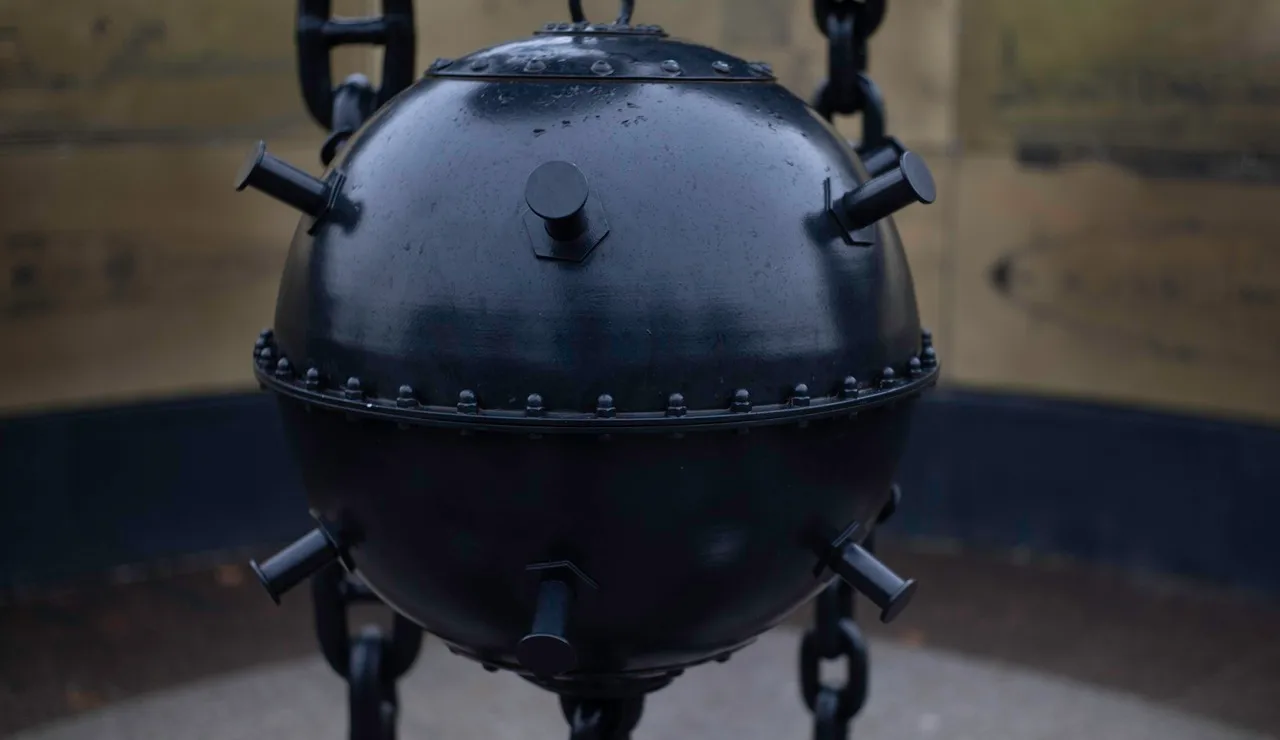
Warnings over mine hazards in the Strait of Hormuz remain in place despite U.S. President Donald Trump’s recent claim that the strategic waterway had been cleared of maritime threats.
Trump said earlier this week that the Strait of Hormuz was open and operating and that mines in the waterway had either been removed or detonated.
However, the Joint Maritime Information Centre (JMIC) continues to advise vessels to exercise caution, reporting that the risk from drifting or uncharted mines remains active in and around the Traffic Separation Scheme (TSS).
In its latest advisory, issued on August 20, the JMIC said designated mine danger areas remained active. The warning indicates that commercial shipping cannot assume that the waterway is completely free of underwater threats.
Security concerns have also continued following attacks and incidents involving merchant vessels.
During the reporting period from August 18 to 20, the JMIC recorded one confirmed attack in the Strait. The incident involved the bulk carrier Minoan Dignity, which was struck by a rocket on August 17, resulting in the death of one seafarer.
The maritime security organization also reported continued incidents involving Iranian forces, including attempted attacks, harassment, unmanned aerial vehicle (UAV) overflights, targeted surveillance of commercial vessels and occasional VHF radio communications attributed to Iran’s Islamic Revolutionary Guard Corps (IRGC).
The conflicting assessments underline the continuing uncertainty for shipping companies operating through one of the world’s most strategically important maritime routes.
For shipowners and crews, the JMIC’s latest warning means that mine-related risks and other security threats should continue to be considered when planning voyages through the Strait of Hormuz, regardless of broader political statements about the waterway’s status.