



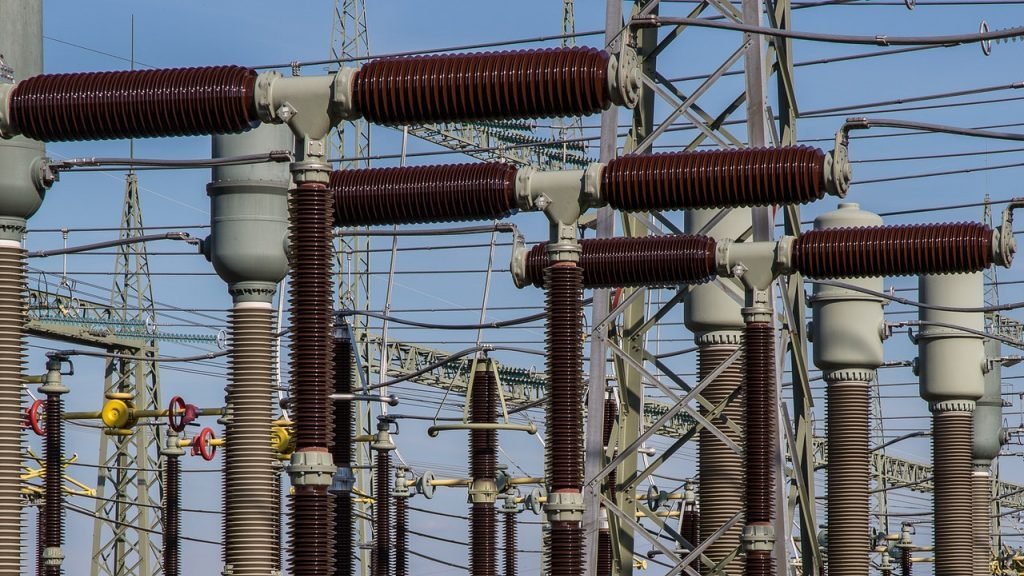
Two major electrical infrastructure projects are set to reshape the power system serving downtown Vancouver as BC Hydro prepares to replace the aging Dal Grauer and Murrin substations.
The two facilities have been powering essential services across the city’s core for more than 70 years and are now approaching the end of their operational lives, according to a BC Hydro release.
Replacing them, however, cannot simply mean rebuilding new substations on their existing footprints. Both locations face substantial constraints created by surrounding development, while worker safety, seismic resilience and the need to accommodate Vancouver’s future growth are also key considerations.
BC Hydro is therefore moving ahead with two separate projects designed to modernize the downtown electricity network while responding to the demands of a growing city.
The first project is the West End Substation, which will replace the existing Dal Grauer Substation. Once completed, it will continue to provide reliable electricity service to approximately 50,000 customers across downtown Vancouver and the West End.
The new facility is being planned beneath the Vancouver School Board’s Lord Roberts Annex property on Nelson Street.
A major feature of the project is that the substation will be constructed underground. The approach is intended to preserve the urban land above the facility for community uses rather than dedicating the surface area to electrical infrastructure.
Subject to the necessary regulatory approvals, BC Hydro expects construction of the West End Substation to begin in late 2026. The facility could enter service as early as 2032.
The second project, the East Vancouver Substation, will replace the aging Murrin Substation. The facility is planned near Hastings Street and Clark Drive.
Construction of the East Vancouver Substation is expected to begin in early 2027, with BC Hydro targeting an in-service date as early as 2031.
Together, the two new substations will significantly strengthen Vancouver’s downtown electricity infrastructure and are expected to serve approximately 100,000 customers.
The projects are being developed with the broader needs of the city in mind, addressing not only the aging infrastructure currently in place but also the physical, safety and resilience challenges associated with maintaining reliable electricity service in a densely developed urban environment.