



Tesla is expanding its workforce at its Nevada Semi truck plant as commercial orders accumulate and the company moves deeper into large-scale production. As of October 16, the electric vehicle manufacturer had 103 job openings containing the word “Semi” on its careers website, with positions covering manufacturing, quality assurance, maintenance, dispatch and customer support.
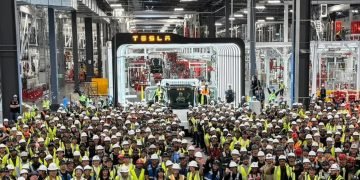
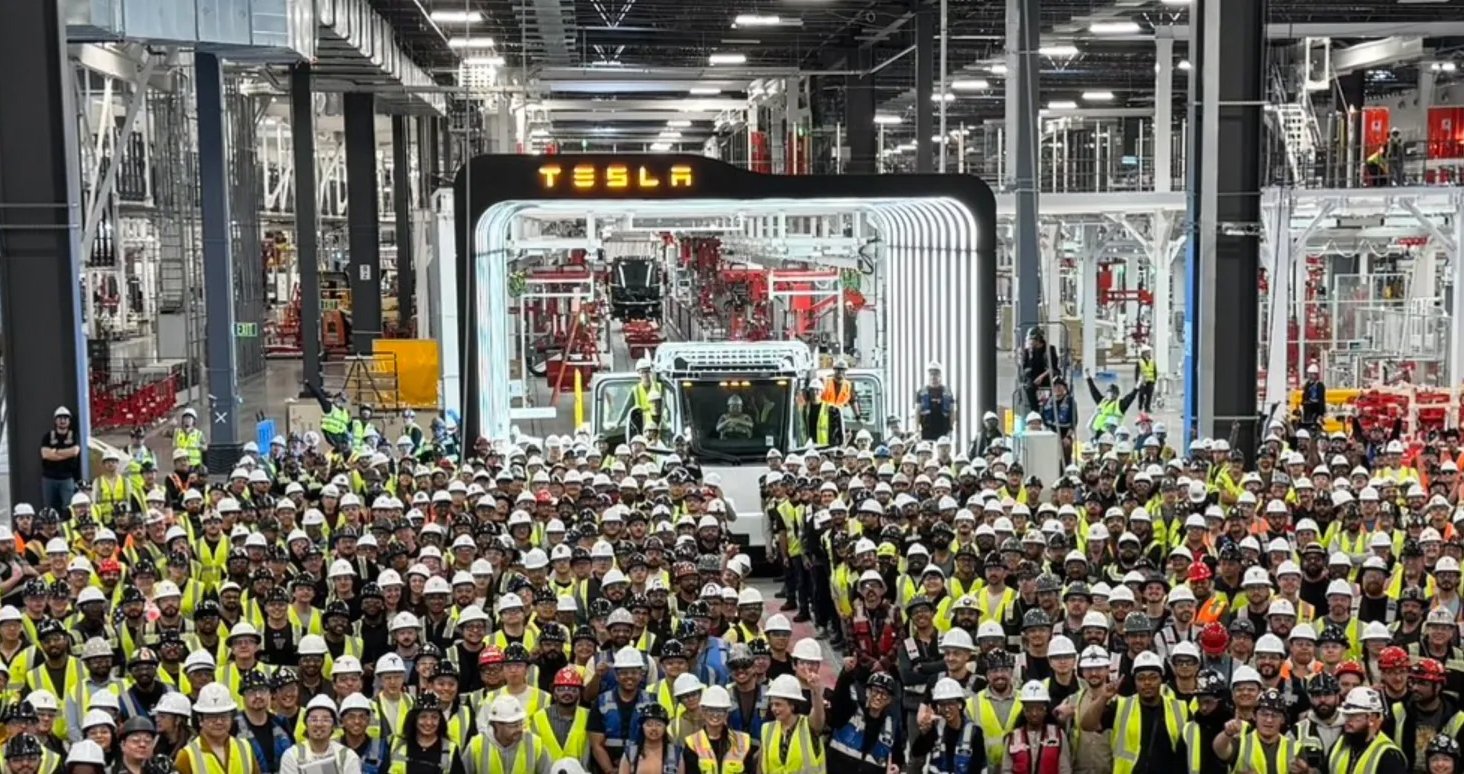
The recruitment drive comes just three weeks after Tesla began high-volume Semi production on September 24. Located in Sparks, Nevada, the 1.7-million-square-foot facility was designed to manufacture up to 50,000 trucks annually. However, Tesla has yet to disclose its current production rate or the number of vehicles coming off the assembly line.
The expansion marks a significant step for a truck first unveiled in 2017. Before the dedicated production line opened, the Semi fleet consisted of just under 200 pilot vehicles delivered to customers including DHL, PepsiCo and US Foods.
Demand is also building among commercial operators. Drayage carrier IMC Logistics ordered 50 Tesla Semis in October, following WattEV’s order for 370 trucks in May. In September, Tesla was named the lead manufacturer for a 2,500-truck order placed through the ZET SCALE alliance, although the group did not specify how many vehicles in that order would be Tesla Semis.
Tesla CEO Elon Musk told analysts in July that production of the electric truck had begun. The company’s second-quarter shareholder update, however, had indicated that production was expected to start later in the year.
Production recruitment covers multiple manufacturing functions
Tesla’s current Nevada vacancies reflect the range of skills required to support the Semi manufacturing operation.
The company is seeking quality technicians for stamping, body-in-white manufacturing and powertrain operations. Other positions include equipment maintenance technicians assigned to general assembly and drivetrain production, alongside a commercial driver’s licence (CDL) driver, a dispatcher and an endurance fleet driver.
Night-shift recruitment is also underway. Available positions include a battery production supervisor, associate production managers and stamping quality technicians. Tesla is additionally recruiting construction personnel for the Semi facility, with vacancies ranging from pipefitters to an electrical superintendent.
The Semi-specific positions represent only part of Tesla’s broader recruitment activity in Sparks. On October 16, the company’s careers website listed 490 openings in the area, including 301 manufacturing positions.
Listings on Indeed also showed production opportunities associated with Tesla’s battery, Powerwall, drive unit and lithium iron phosphate (LFP) cell manufacturing lines, indicating that the company’s Nevada workforce requirements extend well beyond the electric truck programme.
Service network and charging infrastructure expand beyond Nevada
Tesla’s recruitment efforts are not confined to its manufacturing base. Another 66 Semi-related vacancies were listed outside Sparks, reflecting the company’s need to establish service and technical support capabilities as more trucks enter commercial operation.
In the United States, Tesla is recruiting Semi service managers, supervisors and technical instructors across 11 cities. Locations include Laredo, Texas; Elizabeth, New Jersey; and Chicago.
Charging infrastructure is developing alongside the service network. Pilot and Tesla opened their first Megacharger site in Ellabell, Georgia, on October 8. Twelve additional sites were under construction, supporting the rollout of charging infrastructure intended for the electric heavy-duty truck.
Tesla is also recruiting for the Semi programme in Germany, France, the Netherlands, Belgium and the United Kingdom. The company is targeting customer deliveries in Europe by the end of 2027.
European vacancies include service technician positions in Berlin, Düsseldorf and Lyon, France. The initial European vehicles are expected to be supplied from Nevada rather than manufactured locally.
Speaking at a September keynote during IAA Transportation in Hannover, Germany, Dan Priestley, who leads Tesla’s Semi programme, said the company had sufficient capacity to support its initial European rollout.
“We’ve got ample capacity to support our initial wave,” Priestley said.
His comments indicate that Tesla expects its Nevada operation to supply the first European customers while the company develops the regional support network required for deployment.
Tesla has yet to disclose Semi production volumes
Despite the hiring activity and new orders, key details about the programme’s manufacturing performance remain unavailable.
Tesla’s third-quarter delivery report, published on October 2, did not mention the Semi. The company has also not disclosed the truck’s pricing or provided a current production figure for the Sparks facility.
Tesla is scheduled to report its quarterly financial results after the market closes on October 21, providing the next opportunity for investors and the wider industry to seek additional information about the programme.
The number of Semi-specific vacancies has declined from the level recorded in the spring, even as Tesla’s overall recruitment activity in Nevada has increased. In April, Stocktwits counted 146 Semi-related positions among nearly 471 full-time Nevada jobs listed on Tesla’s website. The report did not explain how it identified the Semi-specific roles.
By October 16, Tesla’s careers site showed 103 positions with Semi in the title and 537 full-time openings across Nevada.
The figures suggest a change in the composition of Tesla’s recruitment activity, although job listings alone do not establish whether manufacturing is accelerating or slowing.
Priestley has also acknowledged that Tesla has not yet become an established heavy-truck manufacturer. In coverage of the September 24 production inauguration, FreightWaves reported his comment: “Tesla is not a heavy truck company yet.”
Fleet demand puts the spotlight on Tesla’s production ramp-up
Tesla’s expanding workforce, incoming fleet orders and investment in charging and service infrastructure point to a broader effort to establish the Semi as a commercial vehicle platform.
The 50-truck order from IMC Logistics, WattEV’s 370-truck commitment and Tesla’s role in the ZET SCALE alliance’s 2,500-truck order illustrate the potential scale of demand. However, the number of Semis included in the alliance order remains unspecified, and the company’s actual production volumes have not been disclosed.
For fleet operators, the next phase will depend not only on vehicle availability but also on the supporting infrastructure and service coverage needed to keep electric heavy-duty trucks operating reliably.
Tesla’s October 21 results could provide further insight into the production ramp-up, although the company has not confirmed that it will release Semi-specific figures.
Why it matters: Tesla is building the workforce and support network needed to scale a truck programme designed for annual production of 50,000 units. With commercial orders arriving and European deliveries targeted for the end of 2027, the central question is how quickly the company can translate its manufacturing capacity into actual vehicle output.