



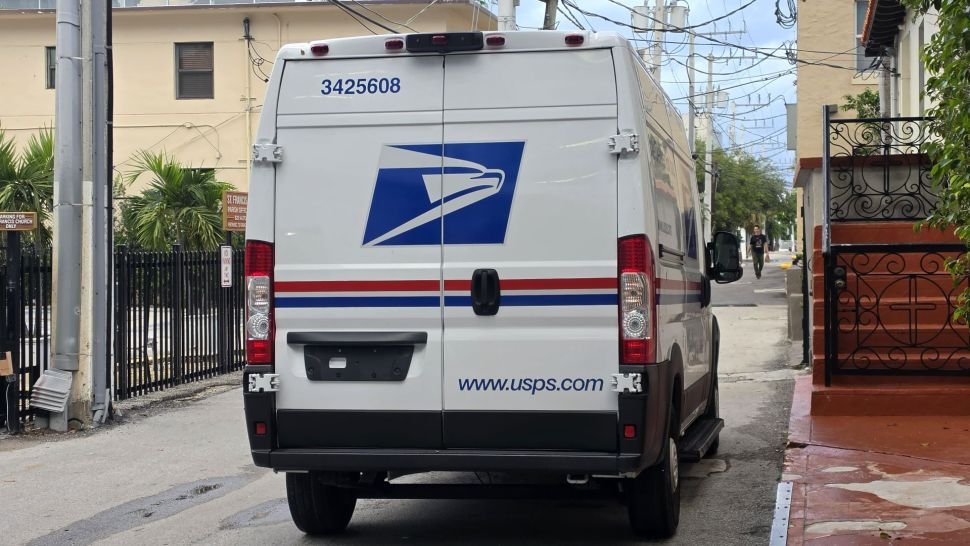
The U.S. Postal Service (USPS) is gearing up for the holiday shipping season with mail and parcel volumes expected to rise about 40% from Oct. 1 through Dec. 31. Investments in infrastructure, technology and workforce management should help the postal operator cope with the seasonal surge and improve its recent delivery performance, it says.
During the 2025 peak season, mail and packages were delivered in an average of 2.5 days, compared to 2.8 days in the same period a year ago. USPS is looking to build on those results as it heads into another busy stretch for the delivery network.
The airline has hired more than 10,000 seasonal workers. That’s down from 14,000 hired last year, and a far cry from 40,000 seasonal workers hired just a few years ago. Since 2020, improvements have helped to stabilise staffing, reduce supervisor vacancies and limit overtime, which has reduced the need for temporary workers, a U.S. Postal Service news release said Thursday.
“We’ve been preparing all year for this peak season and we have the capacity to meet whatever comes our way,” said Postmaster General David Steiner.
The peak season is still a major test for parcel operators. Operational capacity and service reliability are particularly critical during the holidays, as companies that don’t plan for higher volumes risk delays and customer dissatisfaction.
Automation speeds up parcel processing
The USPS credits its ability to handle growing volumes to better logistics planning, execution and new technology. In the prior holiday period from November 15 to January 9, on-time delivery performance improved in almost all service categories.
The best results were for last-mile delivery of shipments handled by private and postal consolidators. Operators inject pre-sorted freight directly into post offices with large back-end receiving facilities, thus bypassing some upstream postal processing stages.
Automation is another key part of the postal service’s modernisation plan. USPS put in 164 automated parcel sorting machines at facilities across the country this year. The installations are part of a $40 billion investment programme launched in 2022 to transform the middle-mile network of the organisation.
In its announcement, the postal operator said it has added 673 high-speed sorting machines. The equipment is capable of handling larger volumes and larger parcels than previous generations, helping to increase throughput as demand increases.
New distribution centres alter network
USPS is also revamping its processing and delivery infrastructure to cut duplication and improve efficiency.
The Postal Service opened 31 sorting and delivery centres (S&DCs) and 10 regional processing and distribution centres during fiscal year 2026, which concluded Sept. 30. They operate in 35 local processing sites, along with these regional facilities.
Since 2022, USPS has opened 182 S&DCs, 19 regional distribution centres and four standalone regional transfer hubs.
The reorganisation addresses long-standing weaknesses in a network that deployed over 18,000 destination delivery units (DDUs). Postal officials said many of the facilities were too small, poorly equipped and poorly maintained. The USPS says there are nearly 19,000 DDUs across the country
This fragmented structure resulted in duplicated operations and an expensive delivery network which was difficult to adapt to the growth in parcel demand. The new S&DC model consolidates activities that were previously spread over about 10 DDUs into larger and more efficient facilities.
Many of the new centres are already owned by the USPS or have long-term leases. The larger layouts and new equipment are designed to improve the flow of parcels through the network and improve delivery performance.
Each S&DC has the latest in automated sorting equipment to handle more than 200,000 customers a day. At the hubs smaller capacity sorting machines are installed, which can handle from 2,500 to 4,300 pieces an hour. This allows for higher throughput and more efficient local distribution.
The Postal Service believes that merging these operations will help develop a more structured network that can respond to changing market conditions, replacing what is becoming an increasingly fragmented system.
Faster tracking gives customers better visibility
USPS also is investing in online resources to improve shipment tracking as well as physical infrastructure upgrades.
A new tracking and reporting platform launched in 2025 is helping customers obtain more up-to-date information about their parcels. The postal operator said the system is almost four times faster than the old one and can provide updates within a minute of a package being scanned.
The platform is integrated with other systems to enhance the accuracy of shipment information. Customers may monitor the location of their parcels via the USPS mobile app, or they may subscribe for notifications to receive updates.
The enhanced tracking capabilities are expected to improve the transparency of deliveries, particularly during busy periods when customers are tracking shipments closely, and operators need to manage volumes that are significantly higher.
USPS creates new office for strategic planning
The network overhaul will also bring changes to the organization’s commercial and strategic planning functions.
The USPS has created a Chief Solutions and Strategy Office to look at the whole enterprise, bring together network planning, and identify ways to operate more effectively and efficiently.
The office also is working more closely with postal customers to ensure USPS services meet their needs, the organisation said. The initiative is intended to enhance planning in chosen markets, as well as enhance the postal service’s development and delivery of its solutions.
Gary Reblin named chief commercial officer
In a related management development earlier this month, USPS named Gary Reblin chief commercial officer.
Reblin, who has climbed the ranks of the organisation for 35 years, has been chief technology officer since August 2025. In a LinkedIn post he said his experience and insights from that role would help inform decisions on modernising sales, improving the competitiveness of parcel pricing and developing retail, delivery and tracking operations.
He also helped establish early partnerships that allowed parcels transported by private companies to be delivered through local post offices. USPS still is struggling with financial challenges and these arrangements remain a source of revenue growth.
The postal service aims to strengthen operational resilience in advance of the holiday rush through seasonal staffing, automated sorting capacity, distribution-center consolidation and improved tracking systems, while also tackling longer-term issues around efficiency and competitiveness.