



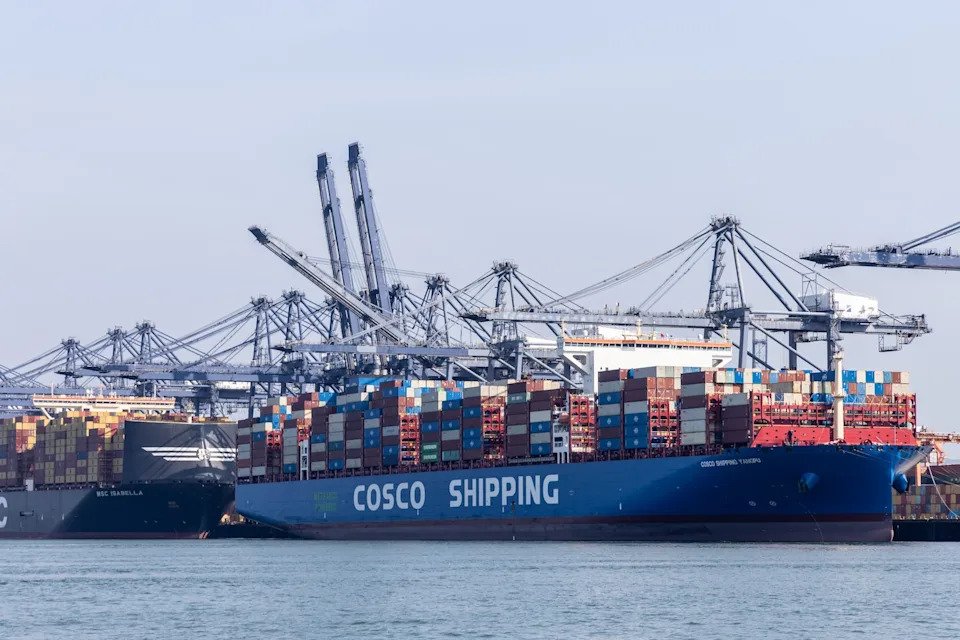
The U.S. Trade Representative’s Office (USTR) is looking at extending the suspension of Section 301 tariffs on China-related vessels through Jan. 9, 2027. A notice published in the Federal Register on Oct. 26, referencing a filing dated Oct. 23, says the current suspension ends Nov. 9.
The agency said the two-month extension of the pause would give negotiators more time to engage with China on the acts, policies and practices reviewed in the investigation. The USTR is seeking public comment on the proposal, with comments due Oct. 30.
The fees were first announced last year in response to China’s role in the logistics, maritime and shipbuilding sectors. The measures imposed fees ranging from $18 per ton to $120 per container, depending on the fee schedule. They also were intended to spur domestic shipbuilding by offering vessel owners exemptions of up to three years if they ordered a newly built U.S. vessel.
The proposed fees, initially set to take effect on Oct. 14, 2025, have been postponed until November 2025. A year later, stakeholders throughout the shipping industry remain concerned about the uncertainty surrounding their implementation.
The pressure to keep the suspension has been mounting in recent weeks. Last month, several trade associations and shipper groups called on U.S. Trade Representative Jamieson Greer to extend the current moratorium on Section 301 vessel charges.
In a letter to Greer, the organisations warned the introduction of the charges, or the return of them, could add to uncertainty in the ocean freight market. Companies relying on maritime transport already face difficulties with high transport costs and shifts in carrier capacity, which adds to the challenges.
The groups said the impacts could reach far beyond shipping operators, damaging U.S. businesses that depend on ocean freight to move goods across the country’s borders.
The stakeholders wrote that imposing new or resumed fees on China-built or China-linked vessels would have immediate and far-reaching consequences for U.S. companies that rely on ocean transportation to move goods in and out of the United States.
The proposed extension would thus give the two countries additional time to continue negotiations while keeping the disputed charges in abeyance. The result will be determined by the USTR after the public comment process.