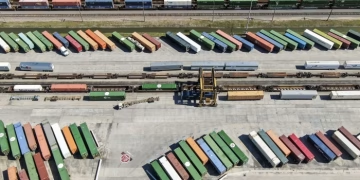




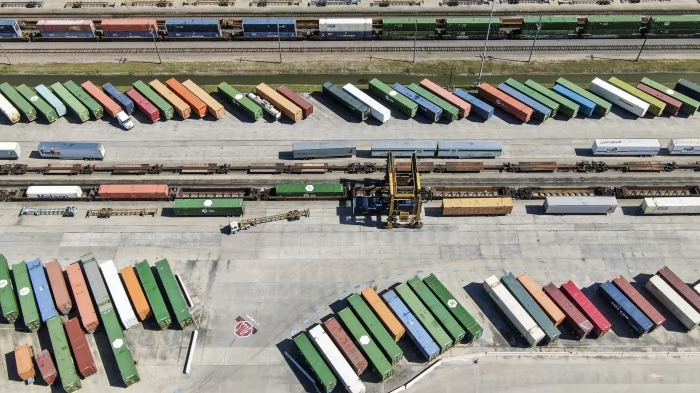
U.S. rail freight traffic total volume was up 7.8% year-over-year for the week ended October 24, 2026, a solid increase. Intermodal shipments continued to outpace traditional carload freight, underscoring its importance as a key driver of rail traffic growth, according to data from the Association of American Railroads (AAR).
Freight moved in containers and trailers, intermodal volumes, were up 11.3% on the week. Carload traffic, however, was up 3.6%. Both segments recorded growth above their year-to-date average.
Motor Vehicle, Petroleum Top Commodity Weekly Gains
Eight of the 10 major carload commodity groups reported gains on a year-over-year basis during the reporting week. The biggest percentage gainers were petroleum and petroleum products, up 15.4 percent, and motor vehicles and parts, up 15.3 percent.
Forest products up 11.7 per cent Metallic ores and metals up 11.6 per cent.
But not all groups of commodities were involved in the upward movement. Shipments of food and farm products, excluding grains, fell 3.7%. Grain traffic also fell, down 1.4% from the comparable week last year.
U.S. Rail Traffic Continues Positive Year-to-Date Growth
Combined U.S. rail traffic for the first 42 weeks of 2026 was up 3.8% compared with the same period in 2025. Carload shipments rose 2.7 percent while intermodal traffic gained a stronger 4.7 percent.
Grain was the leading carload commodity group, up 10.6% in volume for the year to date, even with its weekly fall. Metallic ores and metals were next, rising 8.6 per cent, and petroleum and petroleum products were up 8 per cent.
Coal continued to struggle, falling 1.6% in the 42 week period. Motor vehicle and parts shipments were flat compared with the same period in 2025.
North American Railroads Record Wide Weekly Gain
And it wasn’t just in the US. For the week ending Oct. 24, traffic on the nine U.S. Class 1 railroads was up 8 percent year-over-year, combined U.S., Canada and Mexico traffic.
North American railroads posted a 5 percent gain in carload volumes and a 10.8 percent rise in intermodal traffic.
Canadian railroads reported a 7.6 per cent rise in weekly carload traffic and a 5.5 per cent rise in intermodal volume. Mexico was even better, with carloads up 12.7% and intermodal up 33.4%.
For the first 42 weeks of 2026, North American rail traffic was up 3.3% over the same period last year. Traffic was up 1.5% in Canada and 5.2% in Mexico year-on-year.
Intermodal, the growth driver of rail freight
The latest numbers show that intermodal traffic continues to be a big part of North American rail systems. Weekly gains in U.S. and regional markets were ahead of the year-to-date pace, with intermodal traffic outpacing carloads across the board.
“The different commodity groups had different results but the overall increase in rail volumes continues to show strength in the freight sector.” Finally, the latest numbers reveal some variation across domestic markets, with Mexico showing particularly large increases in both carload and intermodal traffic week-over-week.
Railroads and freight interests must balance growth in intermodal with commodity-based shipments to maintain overall network performance.