



Aurora Innovation has taken another major step toward large-scale autonomous trucking with the launch of its second-generation driverless platform, a system designed not only to operate without a human onboard but also to be produced in much greater numbers.
The Pittsburgh-based company announced that the new trucks are now operating across its commercial network of 10 driverless freight routes in the U.S. Sun Belt. Unlike Aurora’s previous generation of autonomous trucks, the new vehicles run without the passive safety observer who had remained in the cab since the company’s first commercial deployments last year.
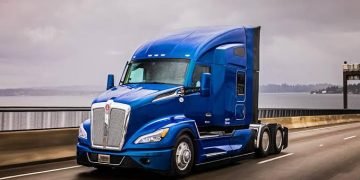
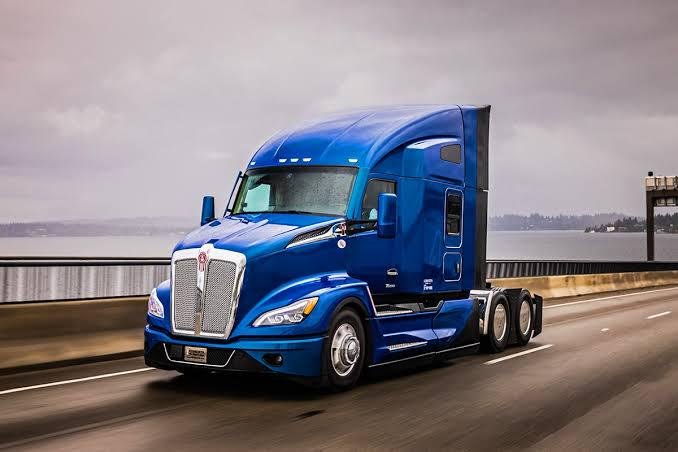
The new platform is built on the International LT Series and features Aurora’s latest autonomous driving hardware, which has been engineered for a 1-million-mile operating life. More importantly, it has been designed with mass production in mind rather than small pilot programs.
Before launching the platform, Aurora said it completed its internal Safety Case, confirming the trucks met the company’s requirements for operating safely without a driver behind the wheel.
For many industry observers, removing the human observer marks one of the biggest milestones yet for autonomous trucking.
According to Morgan Stanley analyst Ravi Shanker, the launch represents a significant step toward commercial deployment at scale, which Aurora is targeting from 2027 onward. He noted that many investors, shippers, and carriers viewed an empty cab as one of the final hurdles proving the technology was ready for widespread commercial use.
Aurora is also preparing to dramatically increase production. To support that effort, the company has partnered with Roush, which is responsible for integrating Aurora’s autonomous hardware and installing redundant safety systems at a dedicated manufacturing facility.
Together, the two companies have established a standardized production process, with Roush aiming to reach an annual production capacity of 1,000 autonomous trucks by the end of the year.
“Last year’s driverless launch proved our technology could operate safely on public roads. Our new platform now provides the foundation to deliver at scale,” said Aurora CEO and co-founder Chris Urmson. He added that the second-generation platform will allow the company to deploy hundreds of autonomous trucks and expand access for commercial customers.
Aurora’s commercial progress is also reflected in the growing number of autonomous miles driven. Morgan Stanley said the Aurora Driver had driven nearly 440,000 driverless miles by the end of June, up from 370,000 miles in April.
And customer demand appears to be rising as well. The company recently highlighted a commercial customer planning to purchase 500 trucks equipped with the Aurora Driver system, further strengthening confidence in the technology’s commercial potential.
Not all of Aurora’s manufacturing partners have fully embraced completely driverless operations yet. Morgan Stanley noted that OEM partners including PACCAR and Volvo have not officially approved operation without a human observer. However, the investment firm expects PACCAR to move in that direction over time, with Volvo expected to follow as it begins its own driverless rollout in the first quarter of 2027.
Aurora views its second-generation platform as a bridge toward an even more scalable business model. In the near term, the company will continue retrofitting trucks to meet customer demand before eventually transitioning to a lighter, more scalable operating model alongside Aumovio and its manufacturing partners.
Aurora will officially showcase its second-generation trucks during a livestream on Thursday afternoon, while investors will receive a broader business update when the company reports its second-quarter financial results on July 29.
By eliminating the onboard safety observer and pairing its technology with a manufacturing partner capable of producing trucks at scale, Aurora has moved another step closer to bringing autonomous freight transportation into mainstream commercial operations.