




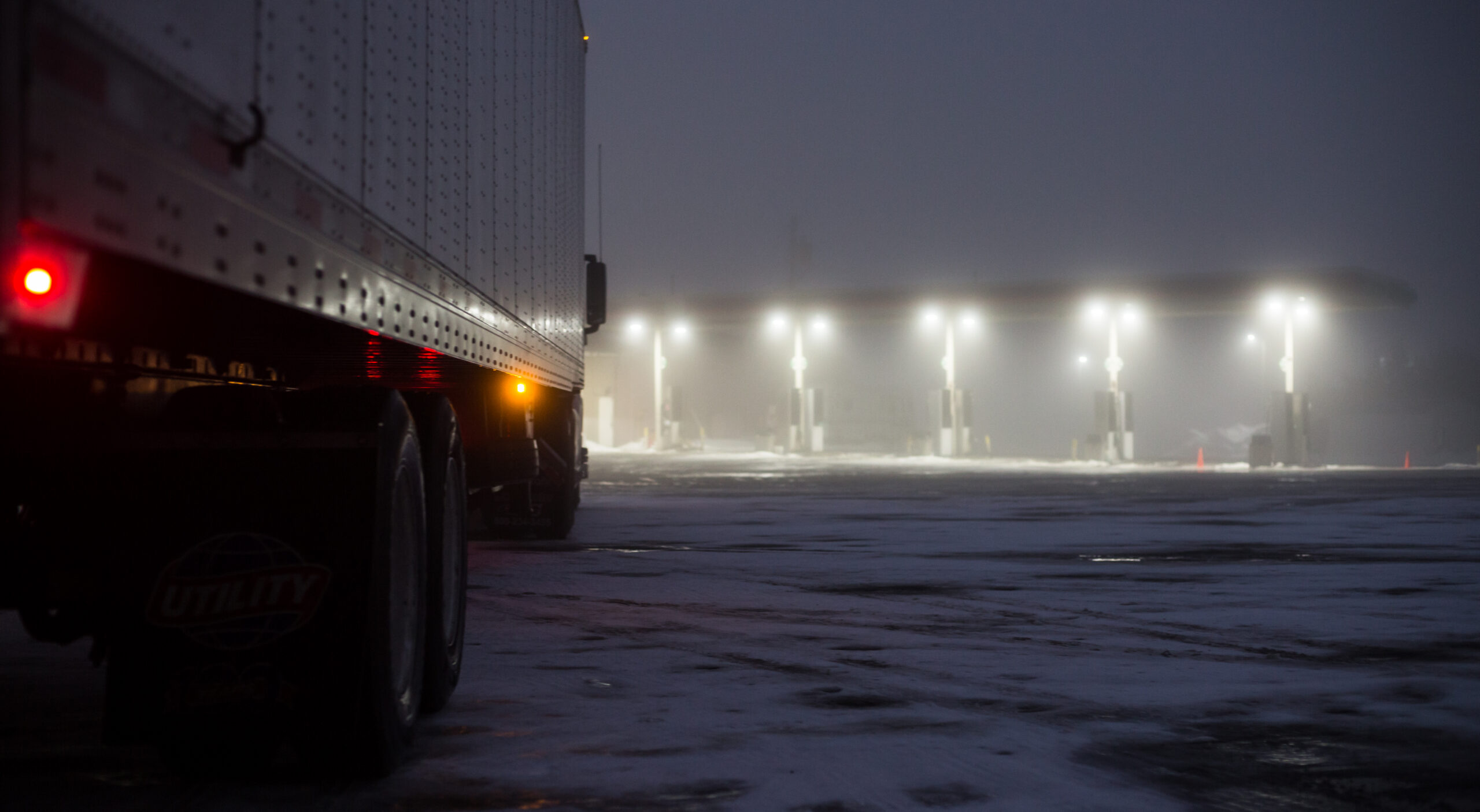
For years, logistics and transportation professionals have warned that cargo theft is becoming increasingly sophisticated. Criminals have learned how to impersonate carriers, hijack company identities and divert freight without ever touching a trailer seal. Yet a recent federal case in the United States demonstrates that traditional cargo theft remains very much alive.A Philadelphia man has been sentenced to 94 months in federal prison for his role in an organized cargo theft ring that stole more than $1.5 million worth of freight moving through interstate supply chains. Beyond the sentencing itself, the case offers a rare and detailed look into how a modern cargo theft operation functioned and how investigators ultimately brought it down.According to the U.S. Attorney’s Office for the Eastern District of Pennsylvania, Salahudin Reddy pleaded guilty to multiple charges, including conspiracy, theft from interstate shipments, possession of stolen goods from interstate shipments, theft of government property and possession of stolen government property. The charges stem from a seven-month crime spree that took place between January and July 2023.Federal prosecutors described Reddy as an active member of a coordinated theft crew that repeatedly targeted tractor-trailers parked throughout the Philadelphia region. Investigators found that the group specifically searched for unattended trailers or trucks whose drivers were asleep before striking.Using bolt cutters and other tools, crew members broke into trailers and removed valuable cargo before selling the stolen goods through local contacts in the Philadelphia area.Authorities estimate that the operation targeted more than ten victims and stole over $1.5 million worth of freight. In just a few weeks during April 2023, the group allegedly stole more than $1 million in cargo, including frozen snow crab legs, Samsung televisions and over $230,000 worth of newly minted U.S. dimes, court documents showed these incidents were far from isolated. Prosecutors argued that the group carried out more than a dozen thefts over several months, carefully identifying vulnerable shipments and coordinating multiple vehicles and individuals to unload freight before law enforcement could intervene.One of the most unusual cases involved a shipment of newly minted U.S. dimes departing from the Philadelphia Mint. Prosecutors said a truck carrying more than $750,000 worth of 2023 dimes was parked overnight while en route to Florida.During the night, members of the theft ring allegedly broke into the trailer and transferred more than $230,000 worth of coins into waiting vehicles using large trash containers. Thousands of dimes were reportedly left scattered across the parking area after the operation, attracting national media attention.However, investigators had already begun building a case against the suspects.Rather than relying solely on eyewitness accounts, federal authorities used an extensive collection of digital evidence. Cell phone location records, text messages, surveillance footage, GPS data and communication logs helped reconstruct the entire conspiracy.Following the dime theft, one co-conspirator allegedly posted a message in a long-running group chat saying, “We made it!” alongside a screenshot of media coverage of the crime. Investigators also recovered images reportedly showing one suspect lying in the back of a pickup truck filled with stolen dimes.Authorities later recovered newly minted coins from a box truck believed to have been purchased specifically for the theft operation. Bank surveillance footage also captured one conspirator depositing thousands of stolen dimes shortly after opening a new account.The same digital evidence linked the crew to additional thefts involving seafood and electronics. Prosecutors pointed to messages discussing cargo prices, vehicle coordination, GPS locations, requests for bolt cutters and arrangements with potential buyers immediately after thefts occurred.One of the largest thefts took place on April 6, 2023, when approximately 34,500 pounds of frozen snow crab legs were stolen from a trailer parked at a seafood wholesaler while the driver slept inside the truck cab.Court records indicate that the driver woke up after sensing movement inside the trailer and contacted police, reporting that as many as 15 individuals using six or seven vehicles were actively unloading the cargo. By the time officers arrived, the entire shipment had disappeared.Investigators later recovered a rented Chevrolet Suburban containing stolen crab legs, bolt cutters and a rewards card registered in Reddy’s name.Only days later, prosecutors said the group stole approximately 103 Samsung 75-inch televisions from another parked tractor-trailer before attempting to sell them through contacts identified in text message exchanges.The sentencing comes as the FBI continues to warn that cargo theft is evolving across the transportation industry. While fraud schemes involving fictitious pickups, stolen carrier identities and supply chain deception have become increasingly common, traditional cargo theft remains a significant concern.The Philadelphia case illustrates how both threats coexist. While identity-based fraud often dominates industry discussions, organized criminal groups continue to target physically vulnerable freight at truck stops, warehouses and staging locations.According to investigators, the common factor remains opportunity. Whether criminals exploit a fraudulent carrier identity or a parked trailer, they are constantly searching for weaknesses in the supply chain that allow cargo to disappear before anyone realizes it.In its sentencing memorandum, the government emphasized the seriousness of organized cargo theft and argued that substantial prison sentences are necessary to deter similar crimes. Prosecutors also stated that the theft ring repeatedly enriched itself through stolen freight while creating fear and uncertainty for truck drivers operating throughout the region.Authorities further noted that Reddy attempted to evade law enforcement on multiple occasions before eventually being arrested by the FBI.The investigation was conducted jointly by the FBI and the Philadelphia Police Department, while Assistant U.S. Attorneys Alexander Bowerman and Christopher Diviny led the prosecution.The U.S. Attorney’s Office has also directed industry stakeholders to the FBI’s latest cargo theft advisory, which warns that organized criminal groups continue to adapt their methods and exploit vulnerabilities throughout the supply chain. As freight theft evolves, the case serves as a reminder that both physical cargo security and fraud prevention remain critical priorities for the transportation and logistics sector.
- Latest
- Trending
ADVERTISEMENT