



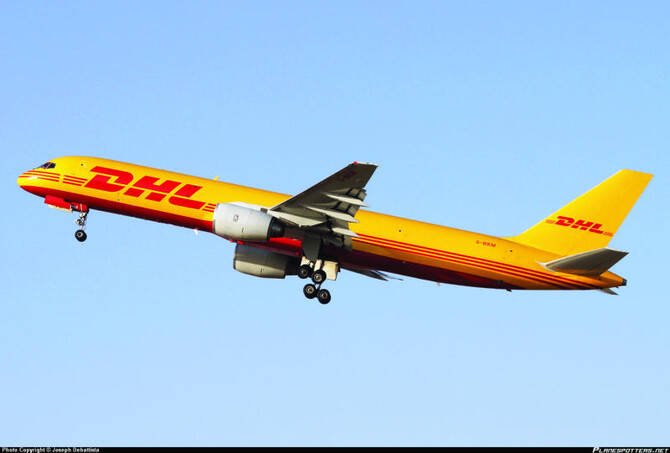
DHL says it has measures in place to protect its operations from jet fuel shortages, while acknowledging difficulties at certain airports where the group does not have dedicated infrastructure.
Tobias Meyer, chief executive of DHL, explained during the company’s first-quarter results presentation that fuel supply security is easier to manage at the group’s major hubs, including Leipzig/Halle, Cincinnati/Northern Kentucky, Hong Kong and Bahrain.
At these hubs, DHL benefits from better visibility and more direct dialogue with suppliers. The situation is more complex at some secondary airports, particularly in Asia, where the group depends more heavily on local suppliers and sometimes regulated markets.
DHL has already observed limitations at certain Asian airports, including cases where no fuel was available for additional flights. The group can sometimes tanker fuel on inbound flights to cover the return leg, but this option is limited to regional or short-haul routes.
Meyer nevertheless believes DHL is relatively well positioned compared with other airlines. However, he warned that a prolonged shortage of 10 to 12 million barrels of crude oil per day would eventually have significant consequences.
The group has also adapted its Middle East network. During disruptions in Bahrain, DHL redirected some operations to Riyadh and Muscat, while relying on its regional road network to maintain service continuity to the United Arab Emirates, Qatar, Bahrain and Kuwait.
DHL said its air and ground infrastructure in the region remains secure and operational.