



The airfreight market remains under pressure, according to Dimerco, which is observing a combination of challenging factors: higher fuel costs, reduced belly capacity and sustained demand for products linked to artificial intelligence and semiconductors.
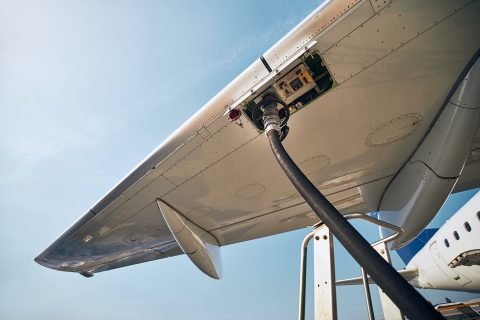
The Taiwan-based freight forwarder said the jet fuel crisis triggered by the Middle East conflict is pushing some airlines to reduce passenger services, limiting bellyhold capacity, particularly on Asia-Europe routes.
At the same time, shipments of electronics, semiconductors and AI-related products continue to support volumes to the United States, creating congestion and keeping rates elevated.
Capacity between Taipei and the United States remains tight on both direct and indirect flights. Urgent shipments require premiums to secure uplift, while general cargo is often routed via indirect services.
Dimerco is also seeing severe space constraints from South Korea, driven by reduced airline supply, Chinese e-commerce demand and semiconductor and IT flows to Southeast Asia.
In China, frequent flight cancellations are affecting services to Bangkok, Manila and Jakarta due to local fuel shortages. The early May holiday period has also led to freighter cancellations, while payload restrictions are adding further pressure on capacity.
Kathy Liu, vice president of global sales and marketing at Dimerco Express, said shippers now need to plan earlier and manage costs more carefully. According to her, demand for traditional commodities remains stable, but cost pressure is intensifying.
Rotate data confirms the trend. In 2025, cloud computing-related air cargo volumes increased by 49% year on year, or 314,000 additional tonnes, mainly from Taiwan. Only e-commerce recorded a larger absolute increase, with 727,000 additional tonnes.