Air Nov 5, 2026
Emirates SkyCargo boosts cargo revenue by 52% despite lower freight volumes
The airline carried 1.24 million tonnes of cargo in the first half of 2026-27, down 1% from the same period last year, but revenue jumped as airfreight capacity contracted and sea transport was disrupted. At the same time, rising fuel costs hit Emirates Group’s profitability hard, with profit before tax down 66% to AED 4.1 billion.
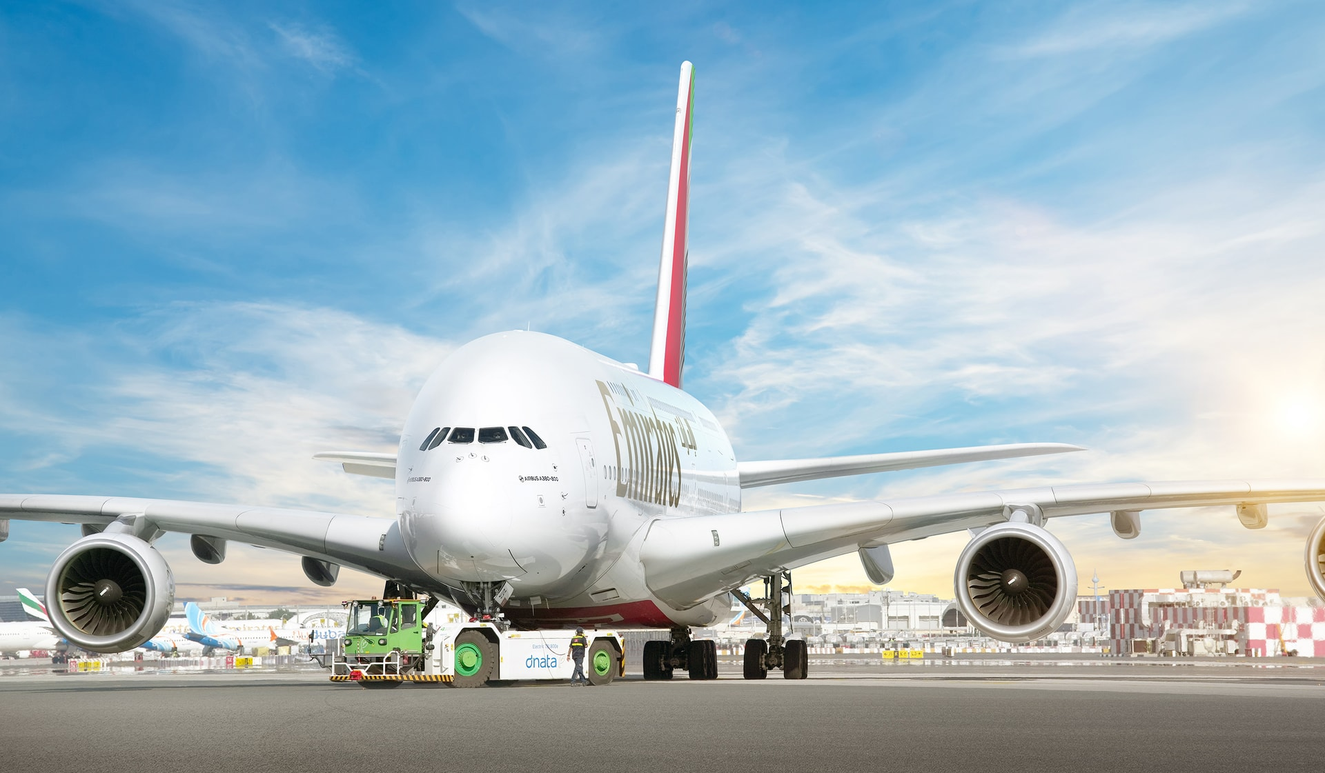
Emirates SkyCargo saw a significant rise in cargo revenue in the first half of its 2026-27 financial year, despite a slight drop in volumes of freight handled. The carrier carried 1.24 million tonnes of cargo in the period from April 1 to September 30, 2026, down 1% compared to the same period a year ago. Cargo revenue, however, rose 52% year-on-year.
This performance was achieved in the face of reduced airfreight capacity on the market, partly due to regional conflict. The disruptions in maritime transport also caused shippers to turn to air cargo for the movement of their goods. Emirates Group does not publish separate cargo revenue figures as part of its half-year results and only publishes this data in its full-year numbers.
Fleet expansion strengthens Emirates SkyCargo network
“Emirates SkyCargo has continued to expand its freighter fleet and international coverage, despite a challenging operating environment. The airline took delivery of five new Boeing 777 freighters and launched its first passenger aircraft converted into a freighter during the six-month period.
It also added two new destinations to its dedicated cargo network, Almaty and Zhengzhou. Additionally, the carrier started freighter services to more than 15 destinations already served by its passenger operations and increased frequencies on several key routes, particularly in the Far East.
By 30 September 2026, Emirates had restored operations to 91% of its pre-disruption network, serving 150 airports in 78 countries and territories through its passenger and cargo operations. However, the reduced flight schedule impacted overall capacity, which fell 10% to 28.2 billion Available Tonne Kilometres (ATKM) in the first half.
“Customer demand has remained resilient and cargo operations have continued to play their part,” said Sheikh Ahmed bin Saeed Al Maktoum, Chairman and Chief Executive, Emirates Airline and Group. He said these factors helped maintain revenues and cash levels, although jet fuel prices globally had doubled over the same period last year, putting significant pressure on costs and profitability.
Higher fuel costs impact Emirates’ financial results
Emirates posted a profit before tax of AED 3.7 billion (US$ 1.0 billion) in the first half, down 68% on the record AED 11.4 billion (US$ 3.1 billion) of a year ago. Profit after tax also fell 66% to AED 3.3 billion (US$ 903 million).
Revenue, including other operating income, amounted to AED 56.9 billion (US$ 15.5 billion), down 13% year-on-year. But the airline cited persistent demand for travel, especially in premium cabins, and the strong performance of its cargo business.
High fuel cost continued to be a major challenge. Although Emirates took delivery of 12% less fuel during the period, its fuel costs rose by 60% before accounting for hedging gains. Hedging activities generated gains of AED 7.1 billion, which reduced the net increase in fuel costs to 13%.
Fuel was the airline’s largest operating expense, accounting for 34% of its total operating costs.
dnata sees lower tonnes as cargo volumes slip
The group's aviation services subsidiary, dnata, also saw activity shrink in the first half. The group's international operations handled 1.49 million tonnes of cargo during the year, 6% down on last year. Airplane turns dropped 8% to 414,012.
Revenue from airport operations, dnata’s largest source of income, fell 3% to AED 5.4 billion (US$1.5 billion). The growth in international business helped to compensate for some of the fall in services to customer airlines at its UAE hub.
Dnata continued its investment programme in line with its strategy to strengthen its international cargo and logistics activities despite lower volumes.
The company has opened a new integrated command centre in Dubai to support the growth of its cargo operations. It also built a logistics facility at Dubai South in a deal valued at AED 100 million (US$ 27 million).
International development plans include an AU$32 million investment in a new cargo facility at Western Sydney International Airport and a planned AED37 million investment in Alat, Azerbaijan. The company also started or expanded cargo operations at East Midlands Airport and Zurich Airport.
In addition to infrastructure development, dnata also strengthened its commercial partnerships. In Singapore it signed a cargo cooperation deal with Silk Way Group and obtained a seven-year ground handling licence at Amsterdam Schiphol Airport.
Dnata's profit before tax fell 51% to AED 410 million (US$112 million), and revenue was down 7% to AED 11.0 billion (US$3 billion). The deterioration was mainly driven by lower activity across certain businesses in the UAE and the United Kingdom.
Emirates Group sees revenue and profitability decline
Emirates reported a group profit before tax of AED 4.1 billion (US$ 1.1 billion) for the six months, down 66% compared with the same period last year. Profit after tax was AED 3.6 billion (US$ 1.0 billion).
Group revenue declined 12% to AED 66.2 billion (US$ 18.0 billion) from AED 75.4 billion (US$ 20.6 billion). EBITDA stood at AED 12.5 billion (US$ 3.4 billion) down 41% from the record AED 21.1 billion (US$ 5.7 billion) in the first half of the previous financial year.
As of 30 September 2026, the group’s cash balance stood at AED 54.1 billion (US$ 14.7 billion), compared to AED 59.6 billion (US$ 16.2 billion) as of 31 March 2026.
During the period, the Emirates Group paid the final AED 2 billion (US$ 545 million) of the AED 3.5 billion dividend declared for the 2025-26 financial year. It was paid to its owner, Dubai's Investment Corporation.
The group's workforce also edged down, falling 2% to 128,237 employees.
Looking ahead, Sheikh Ahmed bin Saeed Al Maktoum said the group is cautiously confident as it enters the second half of its 2026-27 financial year. He said it has important advantages in dealing with market volatility and persistently high fuel prices in terms of strong cash reserves and solid foundations built up over the years.
END OF REPORT