Customs Nov 26, 2026
EU Challenges Washington Over Proposed 15% Tariffs on European Imports
Brussels disputes the findings of a US trade investigation into global industrial overcapacity, warning that the proposed duties could further strain transatlantic relations as disagreements over steel tariffs and market access remain unresolved.
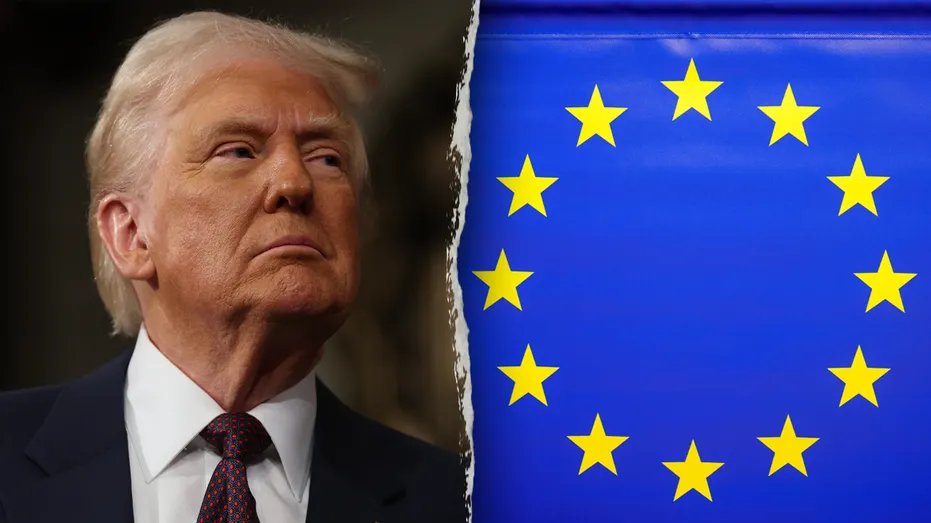
The EU has rejected outright the latest rationale for imposing extra tariffs on European products by the United States, challenging claims the bloc is to blame for global industrial overcapacity. The dispute arises after the Trump administration proposed a new 15% tariff on imports from the EU, which could take effect as early as January 2027.
The measure, announced Wednesday by US Trade Representative Jamieson Greer, comes after a Section 301 investigation targeting 14 trading partners, including the European Union, China and Japan. Washington blames these economies for artificially depressing international prices by producing and exporting too many manufactured goods, distorting global competition.
Brussels strongly rejects this evaluation. European Commission Deputy Chief Spokesperson Olof Gill said the EU would take the findings of the investigation into account but denied that structural industrial overcapacity was Europe's fault.
In contrast, he said, Europe was one of the economies most exposed to the consequences of an excess of global manufacturing capacity. Gill also noted that the EU and the US have common concerns on the matter, much of which is driven by state intervention and focused on third countries. He criticized the two partners’ lack of concerted action to address the problem.
A New Tariff Proposal in a Changing US Trade Policy
The proposed 15% duty would be below the ceiling imposed by the transatlantic trade deal signed in July 2025 by US President Donald Trump and European Commission President Ursula von der Leyen.
But the new probe, which was launched in March under Section 301 of the Trade Act of 1974, is part of a broader Washington push to rebuild its tariff regime. These moves come after a U.S. Supreme Court ruling earlier this year that removed the legal foundation for the administration’s 2025 reciprocal tariffs.
Following that decision, the United States imposed its own 10% tariff on European imports, citing fears that Brussels had failed to ban goods made with forced labor.
The proposed 15% duty would not be on top of the existing 10% tariff, a senior US official said. Instead, the higher rate of tax would prevail and the two measures would not be cumulative.
The new tariff is not expected to take effect before January 2027 at the earliest. The Office of the US Trade Representative (USTR) has to conduct hearings and take submissions from interested parties before implementation.
European ministers prepare to challenge Washington
The proposal is expected to become a major issue at next Monday's meeting of EU trade ministers, which Greer is expected to attend remotely.
European representatives are also preparing to raise another longstanding concern: US tariffs on European products containing steel. Certain goods remain subject to duties of up to 50%, despite the commitments made under the July 2025 transatlantic trade agreement.
Bernd Lange, chairman of the European Parliament's Committee on International Trade, has strongly criticised the conclusions of the US investigation, describing them as "absurd".
He also argued that neither the Supreme Court ruling nor the outcome of the US midterm elections on 3 November, which returned Democratic majorities in both chambers of Congress, had altered Trump's approach to international trade.
Lange accused the US president of seeking alternative legal mechanisms to maintain pressure on trading partners whenever existing tariff measures are challenged.
In his assessment, tariffs remain a negotiating instrument for Washington, designed to extract further concessions from its international partners rather than simply address trade imbalances.
Uncertainty over transatlantic trade ties revived
"The latest US proposal makes it even more complicated to implement the EU-US trade truce. Differences remain on steel duties, market access and treatment of products made with forced labor.
Washington says the surplus of industrial capacity is a threat to U.S. manufacturers and undermines fair competition. But Brussels says European industries are victims, not perpetrators, of this imbalance.
The spat additionally emphasizes the difficulties the two economic giants face in coordinating a response to global manufacturing overcapacity, particularly when production levels are affected by government intervention in key exporting economies.
The proposed tariffs have to go through public consultations and hearings before they can be implemented, so the coming weeks will be key to see whether Brussels and Washington can bridge their differences through negotiations, or whether the latest spat will trigger another round of rising transatlantic trade tensions.
END OF REPORT