



The summer Cyclospora outbreak may now be moving into the rear-view mirror, but its scale has exposed vulnerabilities in the U.S. food supply that could create further risks for restaurants and food manufacturers.
Since May, tens of thousands of Americans have fallen ill with cyclosporiasis, a parasitic infection that can cause severe diarrhea and persist for weeks. According to the Centers for Disease Control and Prevention (CDC), the number of infections recorded over the past eight months is roughly 26 times higher than the rate seen in a typical year.
The CDC had recorded as many as 31,000 cases by the end of August. However, the actual number could be considerably higher. State health departments, which often use less conservative criteria, have reported significantly larger totals. Michigan, for example, recorded more than 14,500 cases during the summer.
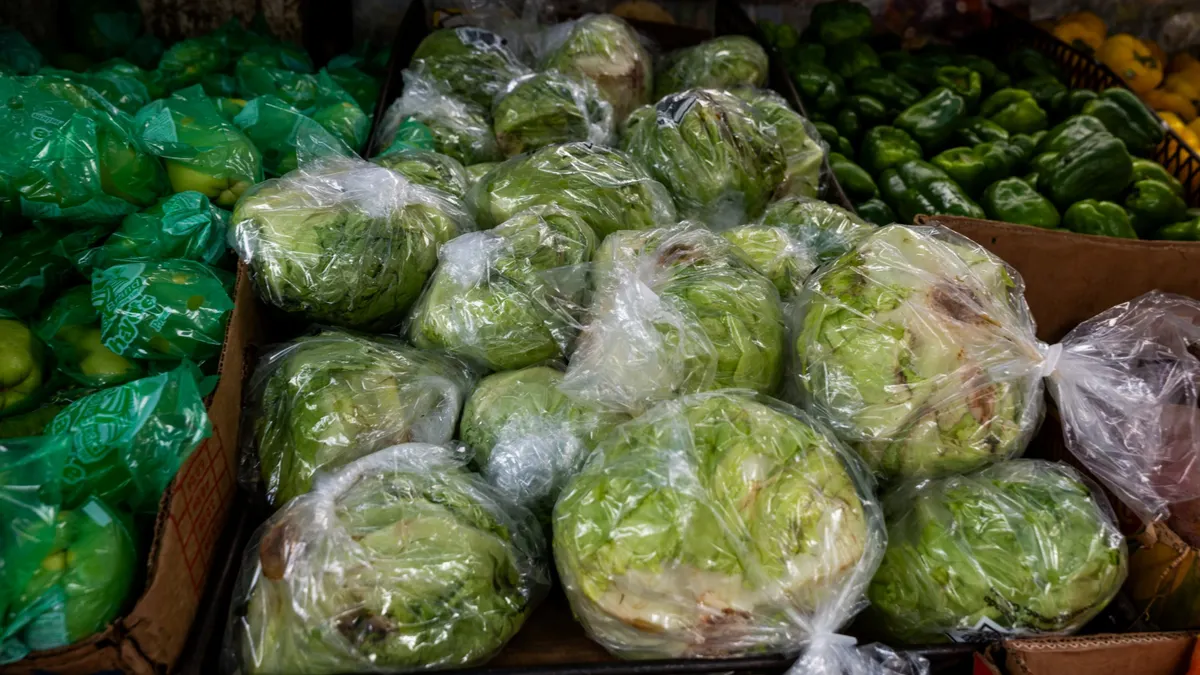
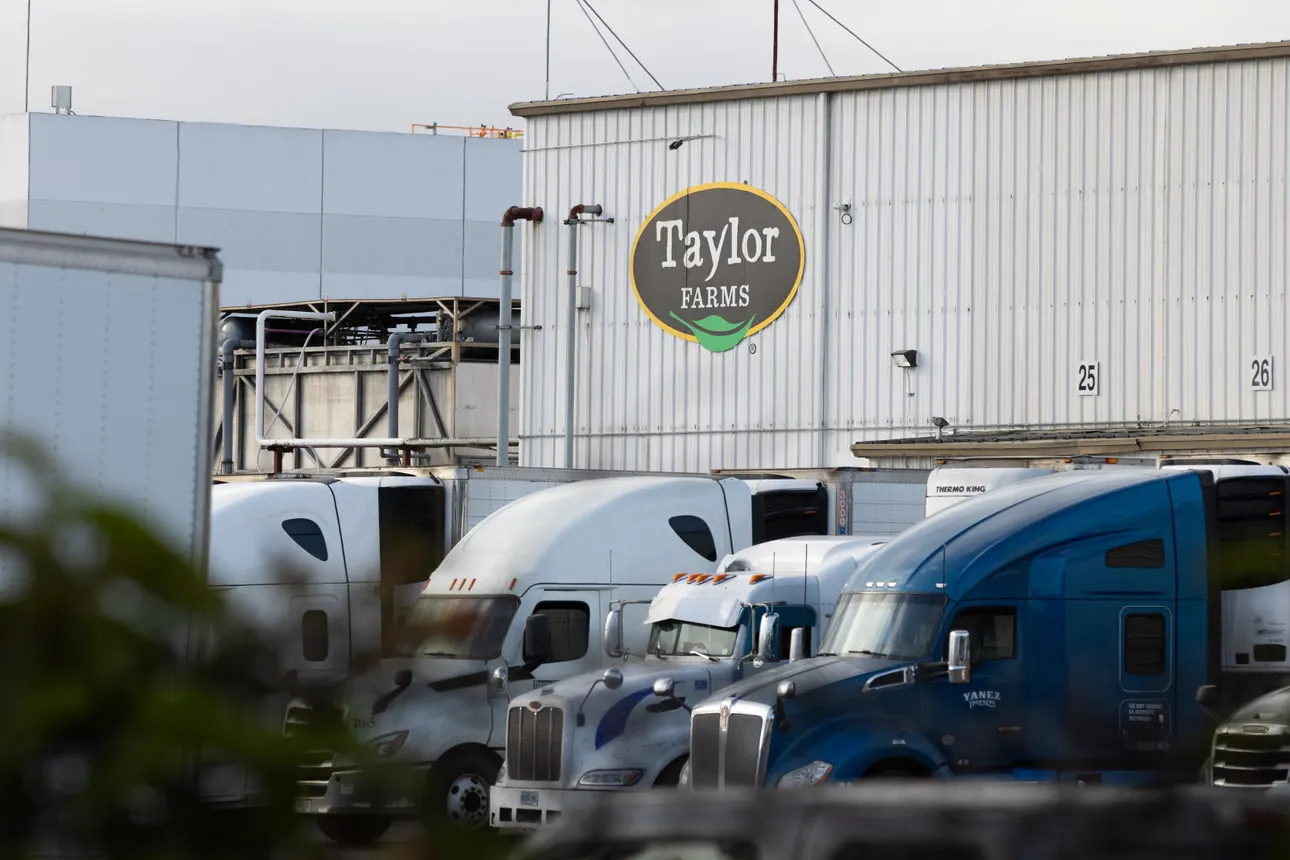
The illnesses all point back, in one way or another, to contaminated food or water. Thousands of people who became sick reported eating at Taco Bell restaurants, while many infections have been associated with iceberg lettuce distributed by Taylor Farms.
The CDC and the Food and Drug Administration (FDA) are also investigating at least four other epidemiologically distinct clusters of infections.
Food safety and supply chain specialists say the scale and persistence of this epidemic distinguish it from many previous foodborne illness outbreaks.
It is also among the most serious food safety challenges to affect the restaurant and food sectors in years. The conditions that helped drive the Cyclospora surge have not disappeared. The concentration of the food supply among a relatively small number of major companies means that a single contamination event can have consequences across the country. At the same time, Cyclospora is particularly difficult to control.
That leaves a crucial question for restaurants and food manufacturers: how effectively can they protect themselves?
Cyclosporiasis Is Difficult to Trace and Even Harder to Eliminate
Cyclospora creates particular challenges for food sanitation and infection control because it is caused by a parasite rather than a bacterium.
Bacteria such as Salmonella and E. coli are single-celled organisms with relatively simple internal structures. Cyclospora, by contrast, is a single-celled protozoan with a more complex cellular structure, making it more difficult to eliminate.
“Some of the procedures that we have in place against the more common bacteria that could be contaminants of produce aren’t going to work as well for this parasite,” Amira Roess, a professor of global health and epidemiology at George Mason University, told Restaurant Dive.
Cyclospora is also relatively resistant to some of the sanitizers commonly used against bacteria and viruses, Roess said.
For Bill Marler, a food safety attorney at Marler Clark, the scale of the summer outbreak — combined with the source of the parasite — points to a serious and systemic contamination problem.
Cyclospora is a human fecal parasite, and humans are the only animals known to carry it.
So how can human waste end up contaminating iceberg lettuce?
Roess explained that water is one common route. Produce is generally grown in irrigated or watered fields and can be washed several times during processing, transportation, bagging and preparation before it reaches consumers.
The concentration of the U.S. food supply among a limited number of major companies, including Taylor Farms, Chiquita and Dole, can magnify the impact of an individual contamination event, Roess said.
“If one of the products is contaminated, and it happens to be the product that a third of the country accesses, you have the reason for your national outbreak,” she said.
The national reach of these outbreaks can also complicate investigations. Connecting infections occurring across dozens of localities can place significant demands on public health authorities trying to identify a common source.
Parasites such as Cyclospora also differ from bacteria and viruses in their biological behavior. While bacteria and viruses can reproduce rapidly, parasites tend to have longer lifespans. That can make it more difficult to establish epidemiological connections through genetic testing.
As a result, Marler said investigators often have to rely on traditional field epidemiology to connect cases a process that can take considerably longer than some laboratory-based methods used for bacterial and viral outbreaks.
“A lot of the work that’s being done is epidemiologists on the ground calling and saying, ‘Hey, what’d you eat? Where’d you go? Do you have a receipt?’” Marler said.
The scale of the Michigan outbreak illustrates the challenge. Health investigators were dealing with more than 10,000 known sick people, along with additional individuals reporting gastrointestinal problems whose illnesses may or may not have been connected to Cyclospora.
Roess also pointed to shortcomings in U.S. disease surveillance. Cuts to support positions under the Trump Administration, including cuts affecting the CDC’s Cyclospora surveillance laboratory, have made it more difficult for the CDC and FDA to detect and contain outbreaks at an early stage.
Restaurants Remain Exposed to Upstream Contamination
Restaurants facing food safety problems originating in their supply chains have relatively few options for replacing certain ingredients, Bo Davis, co-founder and CEO of restaurant software company MarginEdge, told Restaurant Dive.
Some products can be substituted relatively easily. Core ingredients such as rice or lettuce, however, can be much harder to replace. The impact also depends heavily on the restaurant’s concept.
A burger restaurant can potentially remove lettuce from a sandwich without fundamentally changing the product. A restaurant built around salads has far fewer alternatives.
Marler said restaurants nevertheless retain a legal responsibility for the food they serve, even when contamination originates much further upstream in the supply chain.
That principle is at the center of several lawsuits involving Taco Bell and Taylor Farms over the Cyclospora outbreak, including cases in which Marler represents plaintiffs.
Once lettuce is contaminated, Marler said, restaurants have very limited options to protect customers. Fecal pathogens cannot simply be washed away, and lettuce is generally not cooked before being served.
At the restaurant level, managing a foodborne illness outbreak therefore requires operational flexibility, Davis said.
Even operators with no reason to believe they are connected to an outbreak can take precautions by highlighting menu items that rely on ingredients not associated with the contamination.
Cava and Sweetgreen, for example, pointed out in earnings commentary and press statements this summer that they do not serve iceberg lettuce. Such measures can help restaurants reduce the potential sales impact across an entire category.
Operators should also prepare employees to communicate clearly and confidently with customers about ingredients, cleanliness and sourcing practices, Davis said.
When a specific stock-keeping unit (SKU) is ultimately connected to an outbreak, the restaurant’s response depends on the seriousness of the situation.
“If you know that what you bought is in a recall, then you can obviously throw it away. You can clean around it. You can make sure that you don’t have any cross contamination, and then you can restock from a new supplier,” Davis said.
However, separating genuine warnings from the broader volume of customer complaints can be difficult, particularly for national chains or restaurants handling large numbers of customers. That uncertainty can delay the decision to discard potentially affected products.
If a restaurant itself becomes linked to an outbreak, Davis advises operators to contact their insurance company.
Beyond the immediate operational response, transparency with consumers becomes critical. Restaurants should communicate with customers who may have been exposed, even when reaching every potentially affected person is difficult.
“Nobody wants their brand diminished,” Davis said. “I think in not [informing consumers] there’s probably legal liability, frankly, but there should be moral liability to not letting people know.”
Managing Supply Chains to Reduce Future Risks
Restaurant chains, food distributors and manufacturers can take a more cautious approach to purchasing and push suppliers to meet stronger food safety standards, Marler said.
He argued that companies should closely examine the safety record and practices of their suppliers, particularly when previous contamination problems have occurred.
That means asking suppliers what measures they are taking to prevent another incident, how they test water, where products are grown and what food safety plans are in place.
However, Davis cautioned that conversations with suppliers alone may have limited value when it comes to preventing or containing an outbreak.
For restaurants, one of the most important priorities is having a clear understanding of exactly how their supply chains operate.
Given the limited ability of restaurants to prevent food safety failures occurring further upstream, strong supply chain traceability becomes particularly important, Davis said.
Recent events have demonstrated how valuable that capability can be.
This summer, quick-service restaurants serving jalapeños faced a second wave of recall-related problems after several hundred consumers became ill in a Salmonella outbreak linked to jalapeños distributed by Coast Citrus Distributors. Chipotle and Qdoba were both connected to the outbreak.
Chipotle’s RFID traceability system, however, allowed the company to identify a potentially contaminated shipment of peppers during this summer’s Salmonella outbreak and work quickly with local health authorities.
For Cyclospora specifically, prevention often comes down to controlling water contamination, Roess said.
“The first thing is [that] you want to avoid using contaminated water in the production cycle, and we generally know how to do that,” she said.
The challenge is that understanding the technical requirements for clean water is not the same as maintaining a robust system capable of ensuring that water remains free of harmful contaminants throughout the production process.
Recent changes to food production and regulatory oversight have made it harder to identify and stop outbreaks at an early stage, even though public health systems and food safety professionals possess the techniques and tools required to intervene.
The increasing concentration of food production and distribution, combined with underfunding at local health departments and cuts affecting the FDA and CDC, weakens the country’s ability to respond epidemiologically to outbreaks such as Cyclospora, Roess said.
For restaurants and food manufacturers, that new reality could mean greater exposure to major foodborne illness outbreaks in the years ahead.
“We know the techniques. We have the tools. We know the best processes. But you can’t do them if you’re limited in terms of your resources,” Roess said.