Maritime Nov 10, 2026
Global Container Shipping: Ten Largest Carriers Control 85% of Worldwide Fleet Capacity
MSC strengthens its position as market leader with a share of 21.5% of the world market, and a record orderbook of more than 15 million TEU points to further fleet growth, mainly fueled by Chinese shipyards.
The global container shipping industry is becoming more concentrated, with the ten largest carriers in the world now accounting for about 85% of the global liner fleet capacity. The latest data published by Alphaliner on 9 November 2026 show that the top five operators alone account for 65.5% of the global total, highlighting the dominance of a relatively small number of large shipping groups.
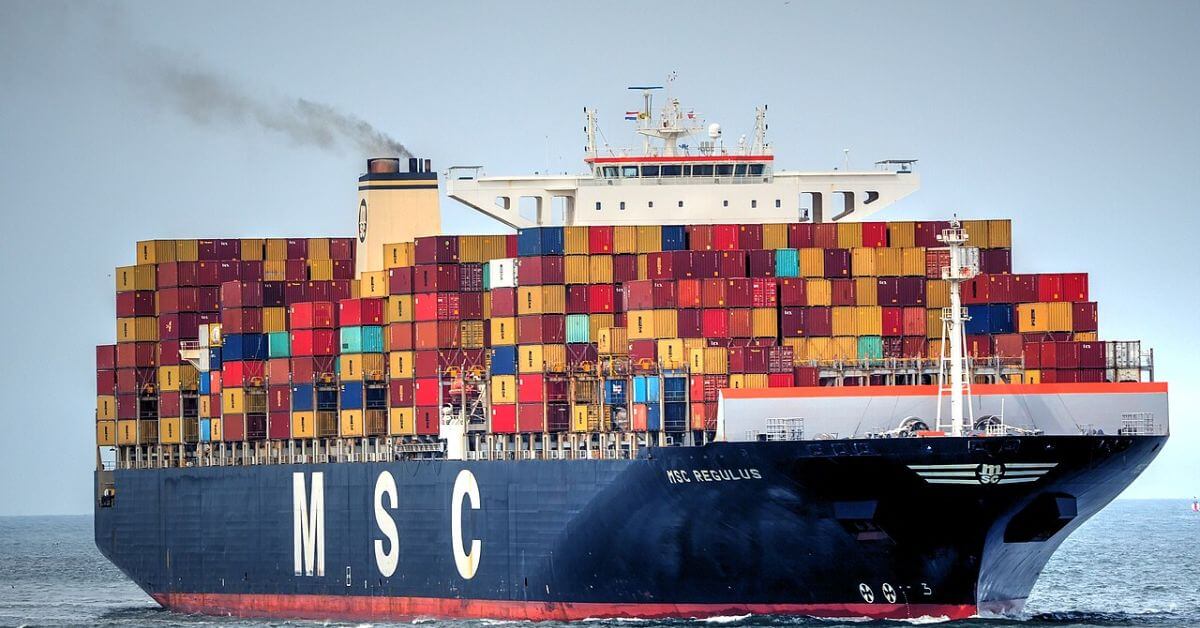
Ships operated by each carrier including chartered ships are ranked by TEU capacity. MSC controls the world’s largest fleet, with 1,023 ships and a total capacity of 7,483,832 TEU, which represents 21.5 percent of the world’s container-shipping capacity.
Maersk is second with 4.71m TEU, or 13.6% of the total global fleet. CMA CGM is close behind with 4.48m TEU or 12.9 per cent of global capacity.
MSC has now opened up a 2,773,626 TEU lead over Maersk - more than the total fleet capacity of Hapag-Lloyd. The German carrier is fifth with 2,413,056 TEU. The battle for second is much tighter with Maersk only 230,572 TEU ahead of CMA CGM.
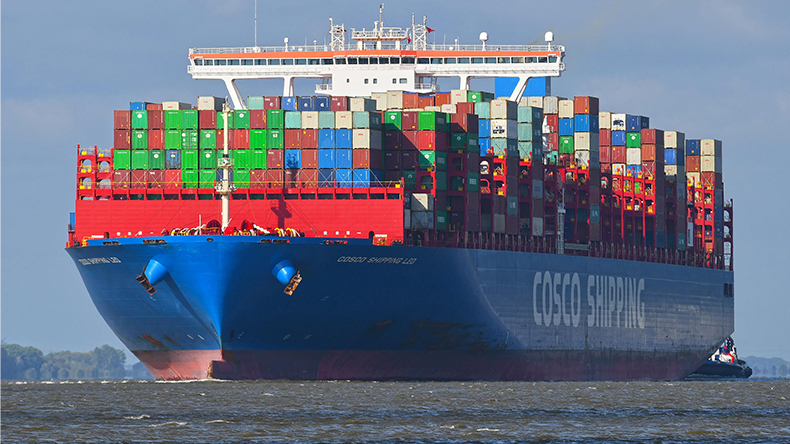
MSC’s dominance extends to the future of fleet expansion too. The Switzerland-based group boasts the world's biggest order book for container ships, with 3,377,390 TEU of new capacity on order, accounting for 45.1% of its fleet now in operation. Maersk comes next with orders for 1,802,522 TEU, or 38.3 per cent of its current capacity. COSCO has orders for 1,887,518 TEU or 51.2% of its operated fleet.
The global container ship orderbook across the industry had grown to more than 15m TEU by the end of October. This could climb to almost 16 million TEU by the end of 2026, Alphaliner said. “That’s the level of investment going into the sector at the moment.”
The size of the orderbook is particularly relevant to the present fleet. Drewry estimates the current global container fleet to be about 34 million TEU. Against this background vessels on order account for about 45% of capacity already in service and highlight the substantial volume of additional tonnage expected to come on stream.
China still dominates shipbuilding. Chinese shipyards have 81% of all orders for container ships and 64% of the global shipbuilding order book. The former stood at 203.2 million compensated gross tons (CGT) as of September 1, 2026, an increase of 13% from the same date a year ago.
Drewry’s latest assessment at the end of October also indicates a major growth in global container shipping capacity in the coming years. Capacity is projected to grow 8.8% in 2027, 12.1% in 2028 and another 10% in 2029, factoring in vessel demolitions and delivery delays, the consultancy said.
These projections suggest the industry is ready for a huge boost in its carrying capacity, with a few big operators holding market power. MSC will be at the front and Chinese yards will dominate new construction as the competitive landscape of international container shipping is rewritten over the next few years.
END OF REPORT