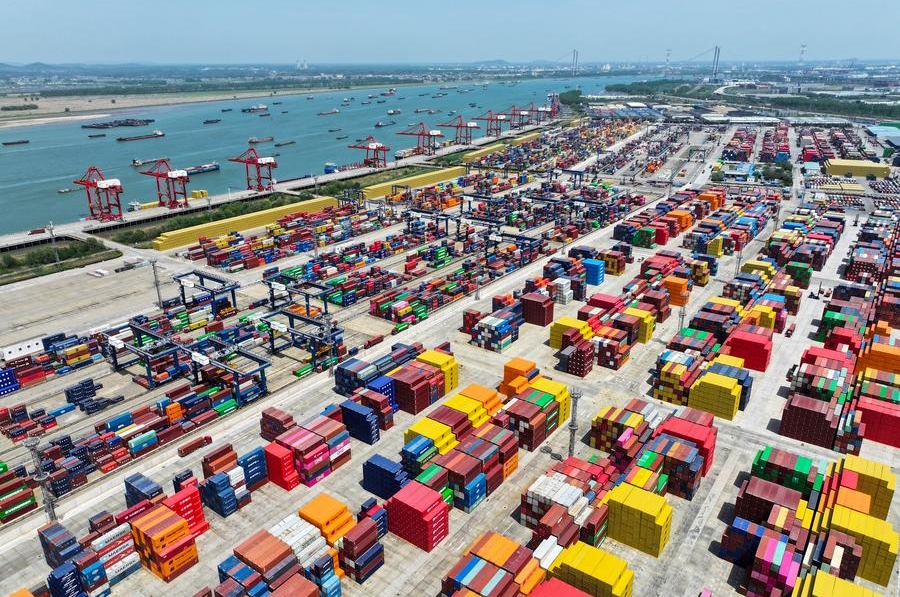
World Nov 17, 2026
Guinea, Côte d’Ivoire and Mauritania Move Towards Coordinated Shipping Carbon Charges
The three African countries have signed an agreement at COP31 in Antalya to develop a common framework for charging international vessels for their carbon emissions. Supported by the Africa Sovereign Carbon Registry Foundation, the initiative aims to expand climate financing through maritime transport, building on existing schemes in Djibouti and Gabon.
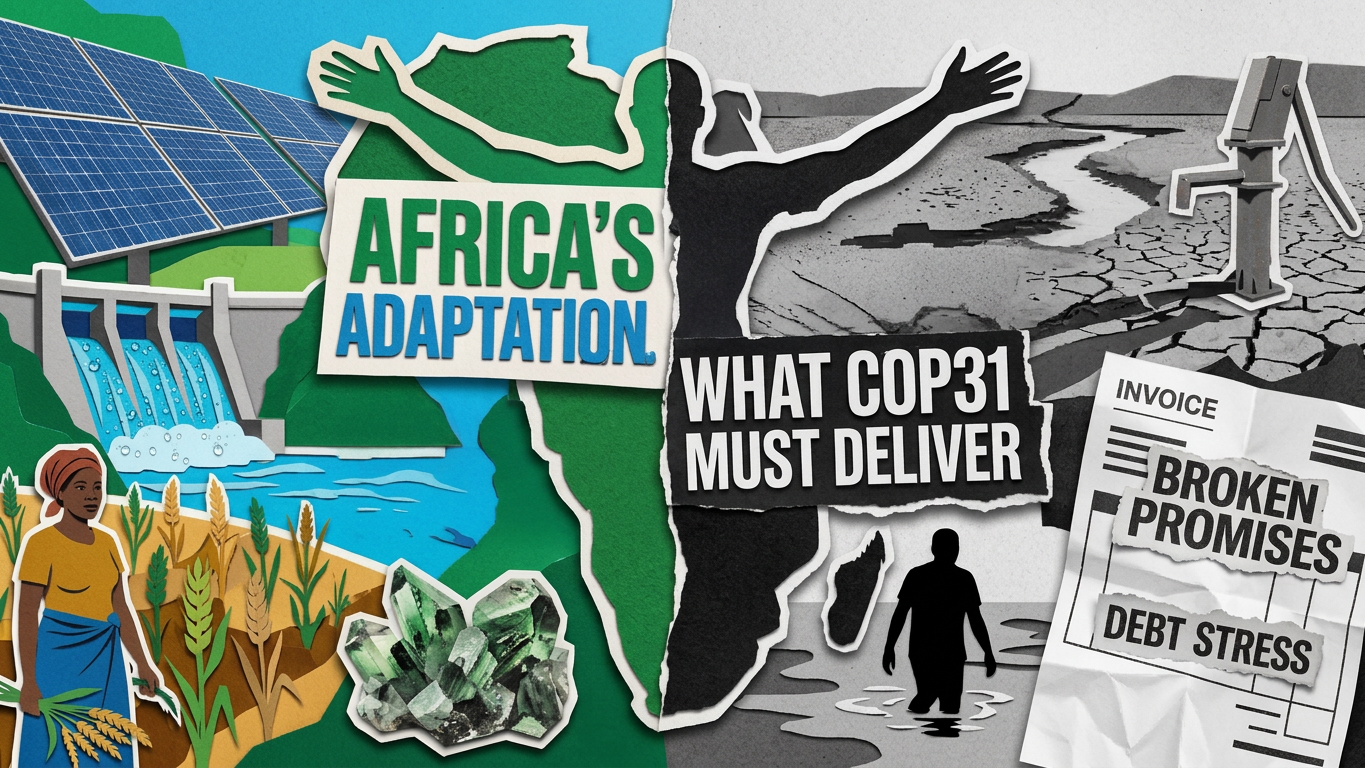
Three African countries are moving towards implementing coordinated carbon charges on international shipping as governments across the continent seek new ways to finance climate action and support the energy transition.
Guinea, Côte d'Ivoire and Mauritania signed an agreement at the COP31 Climate Summit in Antalya to develop a common approach for the collection of fees based on the carbon emissions of ships.
The initiative has the support of the Africa Sovereign Carbon Registry Foundation (ASCRF) as part of a wider ambition to develop a continent-wide mechanism to generate climate finance from international maritime transport and aviation.
The three countries are not looking to create entirely new systems, but to build upon existing models already implemented in other parts of Africa, particularly Djibouti and Gabon.
Djibouti and Gabon lay the foundation
Djibouti has already put in place a carbon charging mechanism where vessels pay $17 per ton on 50% of emissions produced on voyages to and from the country’s ports.
Gabon has also adopted the same system, and in September 2026 increased its carbon fee.
The revenues generated through these mechanisms are intended to help finance national climate adaptation programmes and energy transition projects, providing governments with an additional funding source linked to international transport activity.
The proposed African coalition has expanded to six countries with the addition of Guinea, Côte d’Ivoire and Mauritania to the initiative.
But Liberia's participation is still in doubt. Earlier in 2026, the Liberian government said it would not implement a unilateral carbon tax on international maritime transport, leaving its position in the broader process unclear.
Other African countries are also looking at the possibility of taking similar measures.
A fresh look at the European carbon market
The proposed African framework differs from the European Union’s Emissions Trading System (EU ETS), notably in terms of the way shipping companies would meet their carbon-linked financial obligations.
Under the African systems now in place in Djibouti and Gabon, ships are charged fixed carbon fees based on emissions. The model does not require shipping companies to buy tradable emissions allowances, as the EU ETS does.
This distinction indicates a different regulatory approach to generating climate-related revenues from international shipping.
But key details are still to be worked out. The three new participants have not revealed a date for implementation or reached agreement on the final fee structure that will apply to vessels calling at their ports.
The accord is therefore a first step towards more coordination, not the immediate introduction of a unified carbon charging system.
If implemented, the initiative could improve cooperation between African coastal states and offer an additional financing mechanism for climate adaptation and the energy transition, while reinforcing the continent’s role in the debate on the decarbonisation of international maritime transport.
END OF REPORT