World Nov 17, 2026
Ontario Police Seize 96 Stolen Vehicles Worth $4.5 Million in International Export Investigation
Project Cadetta exposes an alleged vehicle trafficking network supplying overseas markets, resulting in 12 arrests, 231 criminal charges and two outstanding warrants.

Canadian police have broken up an alleged international car smuggling ring in the province of Ontario, recovering 96 stolen vehicles valued at about C$4.5 million (US$3.1 million). Peel Regional Police headed up the investigation that resulted in 12 arrests and 231 criminal charges being unveiled Monday, November 16. Two other suspects are still being sought by police.
The operation, dubbed Project Cadetta, targeted a network that allegedly stole luxury SUVs, pickup trucks and other vehicles and then arranged to ship them to international destinations.
In March, investigators launched the operation after identifying a suspicious warehouse in Brampton, Ontario. The facility was reportedly being used as a collection and storage point for stolen vehicles intended for export.
Further investigations led detectives to several locations in the Greater Toronto Area where they identified links between local auto thefts, storage facilities and arrangements for overseas shipping.
The investigation found vehicles had been targeted at residential properties, parking lots and dealerships across the region. Some of the stolen cars reportedly had their vehicle identification numbers (VINs) changed, which makes it harder to trace who they belonged to and where they came from.
The vehicles were tracked by police through a series of holding locations before entering the export process. Eventually, autos were recovered and suspects were arrested because of search warrants executed during the investigation.
Shipping containers to ferry stolen cars abroad
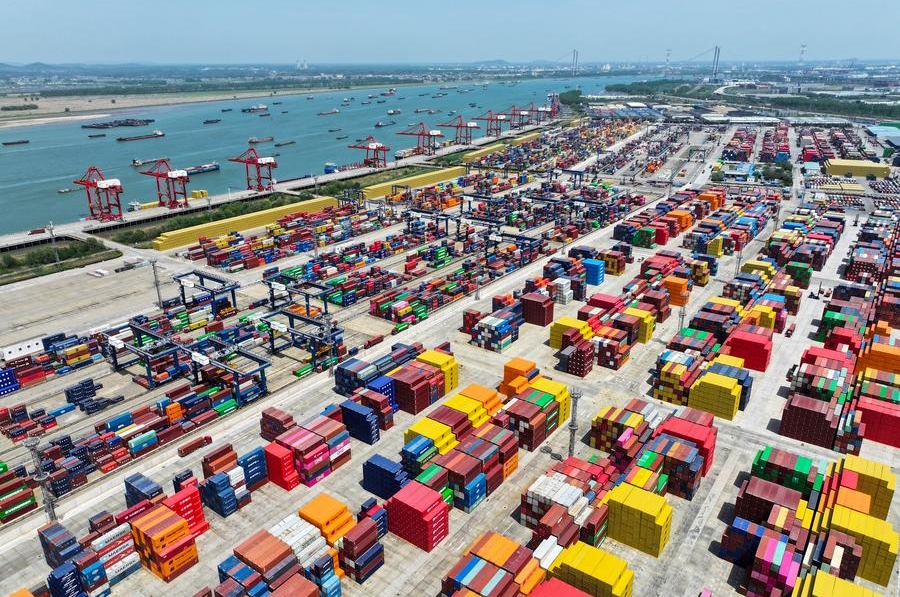
A significant element of the investigation involved the purported use of international container shipping to export stolen vehicles from Canada.
Investigators say suspects are accused of hiding vehicles in shipping containers, mostly going to markets in West Africa. The shipments were said to originate from potential departure ports of Montreal and Halifax.
Peel Regional Police Deputy Chief Nick Milinovich described the operation as a criminal supply chain linking local auto thieves to international exporters.
Vehicles stolen in Mississauga and Brampton could end up on container ships within days, he warned. So the investigators tried to cut all the links in the chain of the network, including those who organized the export to foreign markets.
The investigation was assisted by the Canada Border Services Agency (CBSA) through intelligence sharing and examinations of suspicious shipments.
“The agency’s targeted examinations of containers and referrals are key to identifying vehicles moving through the international transportation network,” said Trishann Pascal, the agency’s acting Greater Toronto regional director general.
Authorities have not identified the exact destination countries or named any shipping companies involved.
Milinovich also said about 75% of the vehicles seized while being exported through the Port of Montreal are from Ontario, pointing to the province’s big part in Canada’s stolen vehicle problem.
Investigators have identified five people they suspect of organizing the trafficking operation. Charged are Stanley Udeh, 46, of Brampton and four Toronto residents: Odewale Abraham, Tosin Oyebade, Oluyemi Sodade and Oluwaseyi Bameke.
All five have been charged in the investigation. The cases are still being heard in courts and the allegations have not led to convictions.
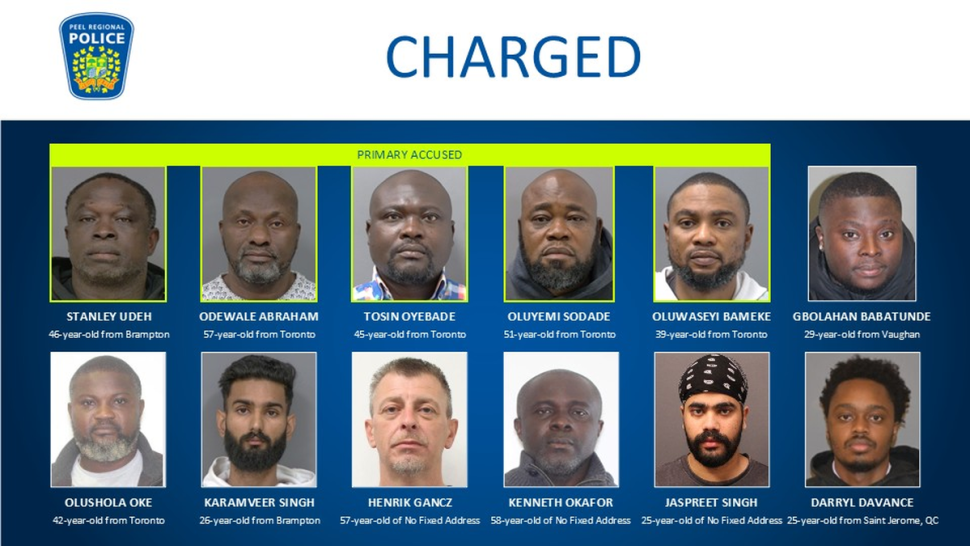
Seven other adults are also facing criminal charges arising from the investigation.
The official charge sheet lists offences including possession of property obtained by crime and trafficking in stolen goods. Odewale Abraham faces 48 counts, while Stanley Udeh faces two forgery-related accusations.
Toronto resident Olushola Oke, 42, is facing 38 separate charges involving suspected criminal activity.
Project Cadetta continues as two suspects remain at large
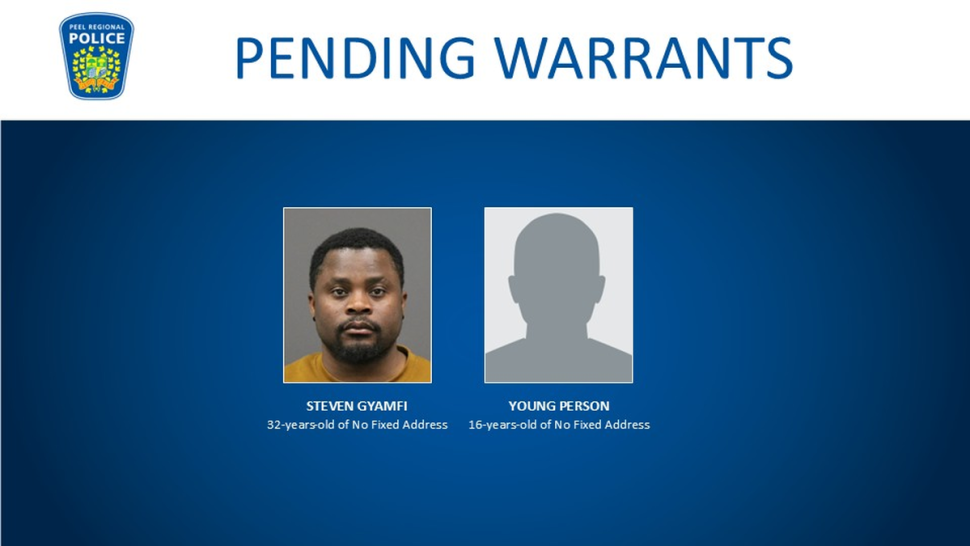
Although 12 arrests have been made, investigators have not yet completed their work. Peel Regional Police have issued warrants for two additional individuals: 32-year-old Steven Gyamfi and a 16-year-old suspect.
Court dates for the nine accused arrested have been set in the wake of the arrests.Three others appeared at bail hearings before being released.
Police anticipate that further charges could follow as detectives continue analysing evidence and examining the different components of the suspected trafficking network.
The investigation also comes as vehicle thefts across Peel Region are down significantly.
Thefts have fallen more than 50% from the region’s peak in 2023, Peel Regional Police said. Milinovich announced another cut of 11.6% on November 16.
Project Cadetta was run by the force’s Commercial Auto Crime Bureau with the assistance of the Canada Border Services Agency. Provincial funding from Ontario’s Preventing Auto Theft Grant Program also supports enforcement efforts.
Authorities have not identified any commercial trucking companies, freight brokers or shipping lines as knowingly involved in the operation, even after discovering the suspected international network.
No specific dates have been given for further court proceedings.
Anyone with information on this investigation can contact the Commercial Auto Crime Bureau of the Peel Regional Police at 905-453-2121, extension 3410.
Why this investigation is important to the logistics industry
Project Cadetta shows how organized criminal groups can exploit legitimate logistics infrastructure to transport stolen goods across international borders.
When stolen goods are introduced into legitimate transportation operations, warehouses, holding facilities and shipping containers can become part of an illicit distribution chain.
The case underscores the need for freight operators, logistics providers and other stakeholders in international shipping to detect suspect cargo movements and to vet parties involved in commercial transactions.
Also the involvement of customs authorities shows how targeted inspections and intelligence sharing can detect illicit shipments before they leave the country.
CFCO: Enhancing fraud prevention in transport networks
It is an ever-more complex job for investigators to track stolen goods as they can change hands several times before making their way to international markets.
Once cargo has gone over international borders it can be much harder to trace and identify all those who have been involved.
The Certified Fraud Compliance Officer (CFCO) program trains transportation professionals to validate companies, individuals and shipment information prior to releasing freight.
For logistics firms, spotting suspicious activity before cargo is passed along is a better bet to prevent theft and fraudulent transactions than trying to recover goods once they’ve made it to an overseas destination.
END OF REPORT