Business Nov 13, 2026
Manufacturing Groups Urge Policymakers to Maintain Tariffs After Midterm Elections
Despite growing public opposition to import taxes, manufacturing advocates warn that reversing trade enforcement measures could undermine domestic industrial production. A new Alliance for American Manufacturing report highlights the benefits of tariffs for key U.S. industries and calls for a more consistent approach to tackling unfair trade practices.
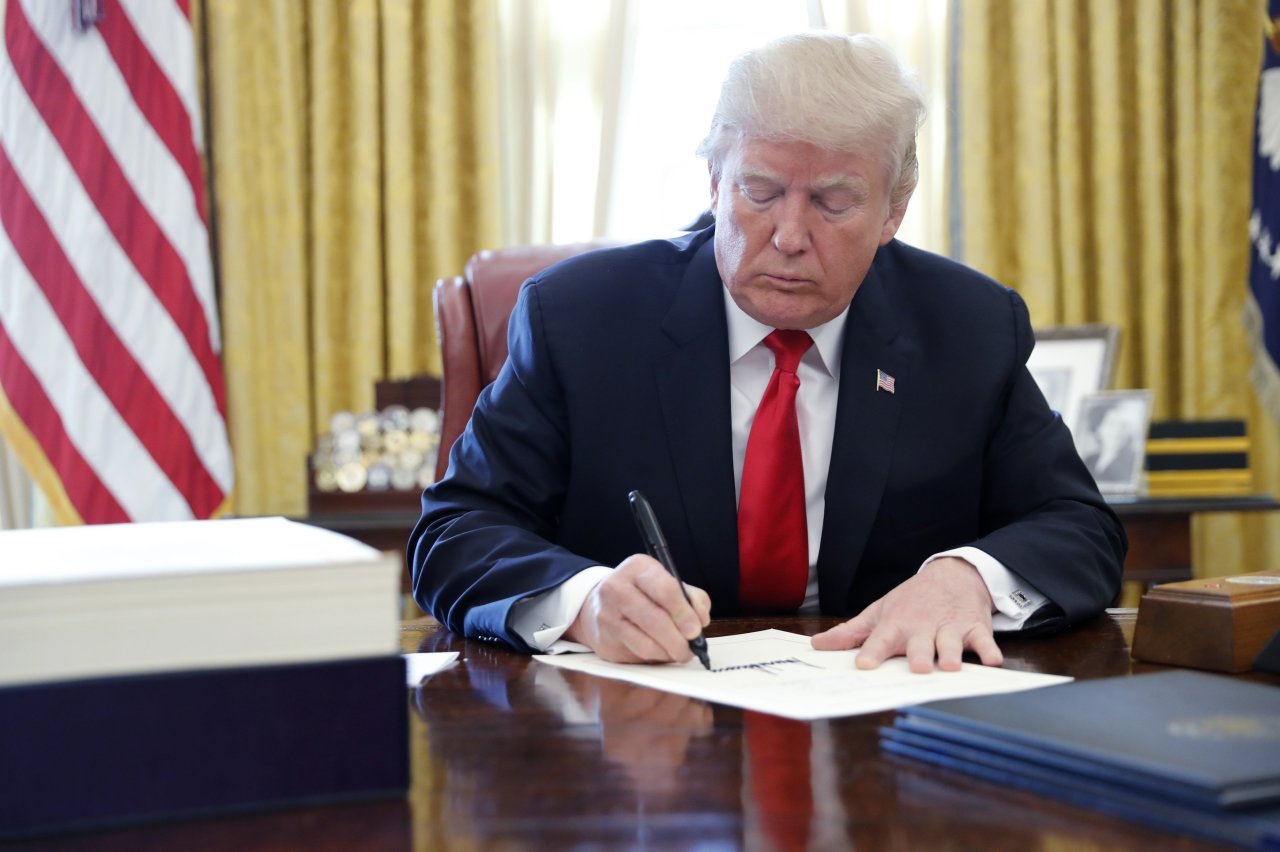
Following last week’s midterm elections, advocates for the manufacturing industry are urging incoming U.S. policymakers to maintain a strong trade enforcement strategy. Their position comes as public dissatisfaction with tariffs, which have become a polarizing issue in American politics, is mounting.
The Alliance for American Manufacturing (AAM) on Tuesday cautioned against repealing current trade enforcement policies simply because they were implemented by the current administration, in a report released Tuesday. “It would be a grave mistake,” said the organisation’s president, Scott Paul.
The report, “How Trade Enforcement Strengthens American Manufacturing,” looks at the importance of U.S. trade policy in protecting domestic production, supporting jobs and fighting unfair international competition. It also gives incoming policymakers an overview of available trade remedies and suggests reforms to strengthen their implementation.
The paper draws on case studies from the aluminum, steel, glass and solar infrastructure industries. The findings of it say these sectors have benefitted from trade enforcement measures after years of import surges, excess global production capacity and foreign government-directed industrial policies.
Tariffs are still politically divisive
“President Donald Trump’s hardline stance on tariffs has added to the political divisiveness surrounding the issue,” admitted Carolina Ferrerosa Young, vise president of Wessell Group and author of the report.
During a virtual press conference, Young made a distinction between governing and campaigning on trade policy. Policymakers have to develop a deeper understanding of how their decisions affect local communities and working families, she said. Young previously served as the top economic adviser to Vise President Kamala Harris.
Public opinion, however, shows significant resistance to the current tariff policy. A Reuters/Ipsos poll published Tuesday found 62% of Americans supported the repeal of Trump’s tariffs. Just 21% approved of his management of the cost of living in the same survey.
The survey was conducted among 1,705 U.S. adults nationwide over the four days following the midterm elections.
The Council on Foreign Relations did its own poll in August, and political divisions were evident. Among Democrats, 61% say the president should not be able to impose tariffs without congressional approval, the findings show. Among Republicans, the percentage who felt the same way was much lower, at 21%.
Manufacturing industry's foreign trade practices cited
Manufacturers have generally supported tariffs as a means of leveling the playing field for domestic producers, despite public opposition.
The AAM report says China and other international trading partners have benefited for years from government subsidies, product dumping and market manipulation. The organization says those practices have put American manufacturers at a disadvantage.
In particular, China has been a major factor in the decline of U.S. manufacturing employment. The report estimates that China accounted for almost 60% of the American manufacturing jobs lost between 2001 and 2019.
The United States often failed to fully utilize the trade enforcement tools available to it during that time. Consequently, domestic manufacturing facilities saw declines in production volumes, employment and industrial capabilities, the report said.
Signs of a turnaround in investment and steel industry performance.
The U.S. manufacturing sector has been on a bit of a correction for the past two years, supported by companies announcing commitments totaling trillions of dollars in new investments in domestic manufacturing and research and development.
The steel industry has been among the beneficiaries of this momentum. U.S. Steel and Cleveland-Cliffs both posted record earnings helped by higher market prices, which have been boosted by tariff measures.
But whether the tariffs will last in the long term is a political question, particularly in the steel and aluminum sectors.
Scott Paul acknowledged that resistance to these tariffs is not going to go away. Still, he believes the discussion is more bipartisan and more sophisticated than it was on election day.
He also pointed to the political durability of Section 232 tariffs, first introduced in the Trump administration. These measures remained in place, with some tweaks, under President Joe Biden before being renewed and expanded.
For Paul, the fact that they have survived successive administrations is a sign that the measures have reached a level of political durability.
He called on Democratic policymakers to look at these developments and recognize the need to address global overcapacity and unfair international trade practices.
The central message of the Alliance for American Manufacturing is that trade policy should not be determined by political divisions around the current administration going forward. Rather, the economic effects of trade enforcement and its importance in protecting US industrial capacity and jobs should be a consideration of policy makers.
END OF REPORT