



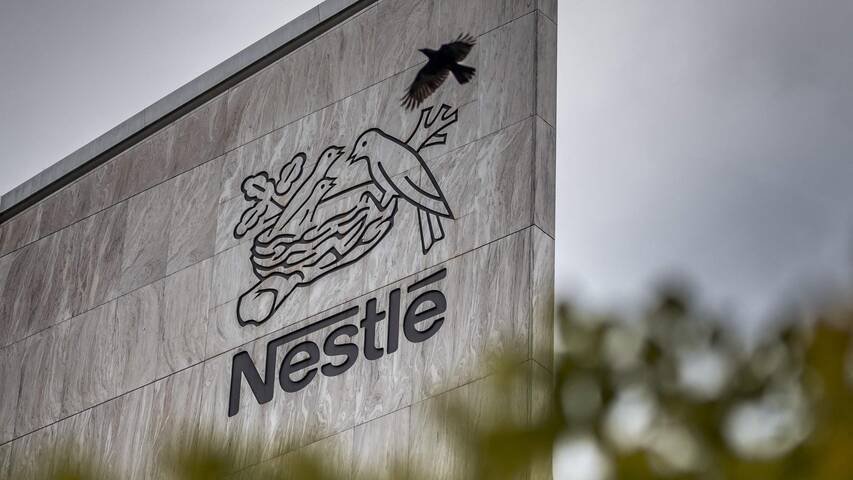
Nestlé will close its Solon, Ohio manufacturing plant by the end of 2027 as the food group reorganizes its production network to respond to changing consumer needs and product volume variations.
The company, which produces brands like Lean Cuisine and Hot Pockets, plans to move pouch production for its foodservice business to its current facility in Gaffney, S.C. The transition will occur over the next few months, with manufacturing ending in Solon by the third quarter of 2027, after which the site is scheduled to close before the end of the year.
The company did not say how many workers will be affected by the decision. Nestlé expects to provide an official Worker Adjustment and Retraining Notification (WARN) notice in March to formally notify of the planned workforce impact.
The group said in a statement the move followed changing customer requirements and production volumes and its intention to make greater use of capabilities available elsewhere in its manufacturing network. Nestlé said the move was “the most sustainable way forward” and admitted there would be consequences for workers and members of the local community who have long ties to the Solon factory.
But the planned shutdown won’t affect the entire Solon campus. Based in Switzerland, Nestlé said research and development, corporate functions and some of its businesses will stay at the site.
The company also highlighted its bigger Ohio footprint, where it has about 3,000 employees at seven facilities.
This announcement follows an earlier workforce reduction at the Solon site. In 2024, Nestlé announced that it would cut 216 jobs at the facility. At the time, the site employed about 780 people, according to reporting from Cleveland.com.
There is concern about North American performance
The shake-up is part of an effort from the Nestlé leadership to improve the group’s performance in north America. Recently the top brass of the world’s largest food company expressed disappointment with the region’s results.
“There’s more that needs to be done to improve execution,” Chief Financial Officer Anna Manz said at a recent Barclays conference. She also pointed to lagging categories like coffee creamers and Nestlé’s infant and child nutrition brand, Gerber. The category of frozen foods is also experiencing slower growth.
These challenges are unfolding within the framework of a much broader restructuring of the US food and beverage manufacturing industry.
Food manufacturers are rationalizing their production networks
Manufacturers are taking a closer look at their industrial footprints to make their operations more efficient, reduce costs and better align their supply with consumer demand. Firms have been forced to reassess their production capacity and rationalize operations where necessary as high prices have curbed demand.
This year several large food companies have announced they are closing facilities, including PepsiCo, Tyson Foods, JBS, Danone and Mars. The decisions they make reflect the wider pressure on manufacturers to adjust their production networks to changing market conditions and cost demands.
Nestlé is shifting its Ohio-based pouch production to South Carolina, where it may capitalize on existing manufacturing capabilities, and ending production at its Solon plant. The closure is a change for the local workforce and community, but the presence of research, corporate and other business operations will keep the wider campus active.