



Severe weather disruptions across Asia dealt a major blow to global container shipping’s schedule reliability in July, with on-time vessel performance recording its sharpest monthly decline in more than five years.
According to a new report from Sea-Intelligence, global container vessel schedule reliability fell to 56.4% in July 2026, representing a 6.1 percentage-point decline compared with June.
The Copenhagen-based maritime analyst said the drop marked the sharpest single-month deterioration in schedule reliability since January 2021.
At the same time, delays for vessels arriving behind schedule became even longer. The average delay for late vessel arrivals climbed to 6.06 days, increasing by more than half a day month over month.
The sharp deterioration was driven primarily by congestion at major Asian ports, according to Alan Murphy, CEO of Sea-Intelligence.
“All 14 of the region’s busiest ports experienced a decrease in on-time vessel arrivals,” Murphy said.
Fig. 1: July 2026 Asia Schedule Reliability
Among the major Asian ports, Yantian suffered the most significant decline, with schedule reliability plunging by 23.5 percentage points to 48.3%.
Hong Kong also recorded a dramatic deterioration, falling 20.4 percentage points to 51.6%, while Ningbo saw its reliability decline by 20.1 percentage points to just 34.6%.
The situation in Shanghai was described by the report as “particularly alarming.”
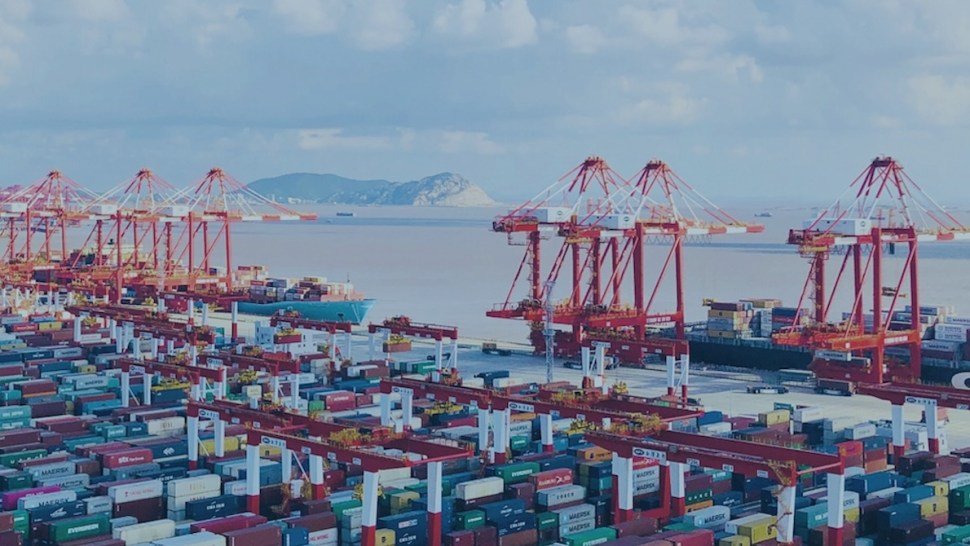
Following a steep decline of 19.2 percentage points, only 21% of container vessels arrived on time at Shanghai in July 2026, despite the port being the world’s busiest container hub.
“Outside of extreme pandemic-era supply chain disruptions, schedule reliability in Shanghai has never dropped this low in 14 years of recorded data,” Murphy said.
The decline in schedule reliability was also felt across other major Asian maritime hubs, although the deterioration was less severe.
Singapore recorded an on-time reliability rate of just 43.2%, following a 5.7 percentage-point drop from June. Port Klang in Malaysia performed even worse, with reliability standing at 33.3%, while Busan in South Korea fell to 40.9%.
Sea-Intelligence warned that the consequences of the widespread delays could extend well beyond the region’s ports.
With more than half of incoming vessels arriving late at many of Asia’s busiest hubs, the resulting backlog is expected to cascade through the wider maritime network. The disruption could, in turn, trigger another wave of delays on critical headhaul trade lanes in the coming months.
The July figures underline how quickly severe weather, port congestion and vessel delays can combine to disrupt the global container shipping network, creating knock-on effects that may continue to impact supply chains well beyond Asia.