



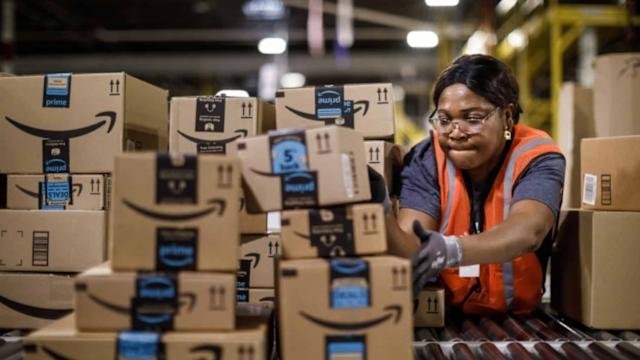
Amazon has been ordered by the National Labor Relations Board to recognise and bargain with the union representing workers at its JFK8 fulfilment centre on Staten Island, New York, reopening one of the most closely watched labour disputes in the US logistics sector.
The union was originally formed as the Amazon Labor Union and made headlines in April 2022 when workers at the warehouse voted in favour of union representation. At the time, it operated independently, though it has since aligned with the Teamsters.
Amazon has refused to bargain with the union since the election, leading workers to file a complaint with the NLRB. The latest ruling is notable because it comes from a board that only recently regained a quorum after operating for months without enough members to act. Despite being Republican-dominated by a 2-1 margin, the board sided with the union.
In its decision, the NLRB said Amazon had continued to challenge the validity of the union’s certification and argued that it had no duty to bargain because the union was not the lawful exclusive representative of employees at the Staten Island site.
The board recounted that the NLRB’s regional director for the New York area certified the union in January 2023 as the exclusive bargaining representative for JFK8 employees. According to the agency, the union then filed a charge just two weeks later alleging that Amazon was refusing to negotiate.
The NLRB said that when its regional office contacted Amazon’s legal counsel, the company confirmed it was “testing certification” and intended to seek further review of the regional director’s decision. The board added that the union had first asked Amazon to begin bargaining on 2 April 2022, but that the company had refused to recognise or negotiate with the union since that date.
The agency concluded that Amazon’s actions amounted to an unlawful refusal to bargain and ordered the company to cease and desist from that conduct and begin negotiations with the union as the exclusive bargaining representative of the workforce.
Amazon has said it will continue challenging the underlying certification. In a statement, the company said the original election certification was flawed both legally and factually, and alleged that the union and NLRB representatives had improperly influenced the process. It said the current ruling is part of the broader legal challenge and expressed confidence that a court would eventually overturn the original certification.
As of publication, the Teamsters had not issued a public statement on the ruling.
The decision came just one day after separate news of an agreement between Amazon and the Teamsters concerning financial penalties imposed on workers who leave the job during unionisation activity.
Union success within Amazon’s US operations has remained limited. Apart from the Staten Island warehouse, the only other Amazon-related employees to vote in favour of unionisation were at a Whole Foods location in Philadelphia. A high-profile union vote at Amazon’s Bessemer, Alabama facility failed in 2021.
The labour question is further complicated by Amazon’s network of Delivery Service Partners, whose drivers are technically employed by independent contractors rather than Amazon itself. Some of those workers have pursued union recognition through card check campaigns. One DSP in California, Battle Tested Strategies, did recognise a union win, but later ceased operating as an Amazon DSP. The circumstances surrounding that case remain under NLRB review.
Throughout these union drives, Amazon has continued to highlight its pay and benefits. The company says its average base wage is $23 per hour and that total compensation, including benefits, averages $30 per hour. It also says health coverage begins from the first day of employment and that employee healthcare premiums and copays have been reduced.