



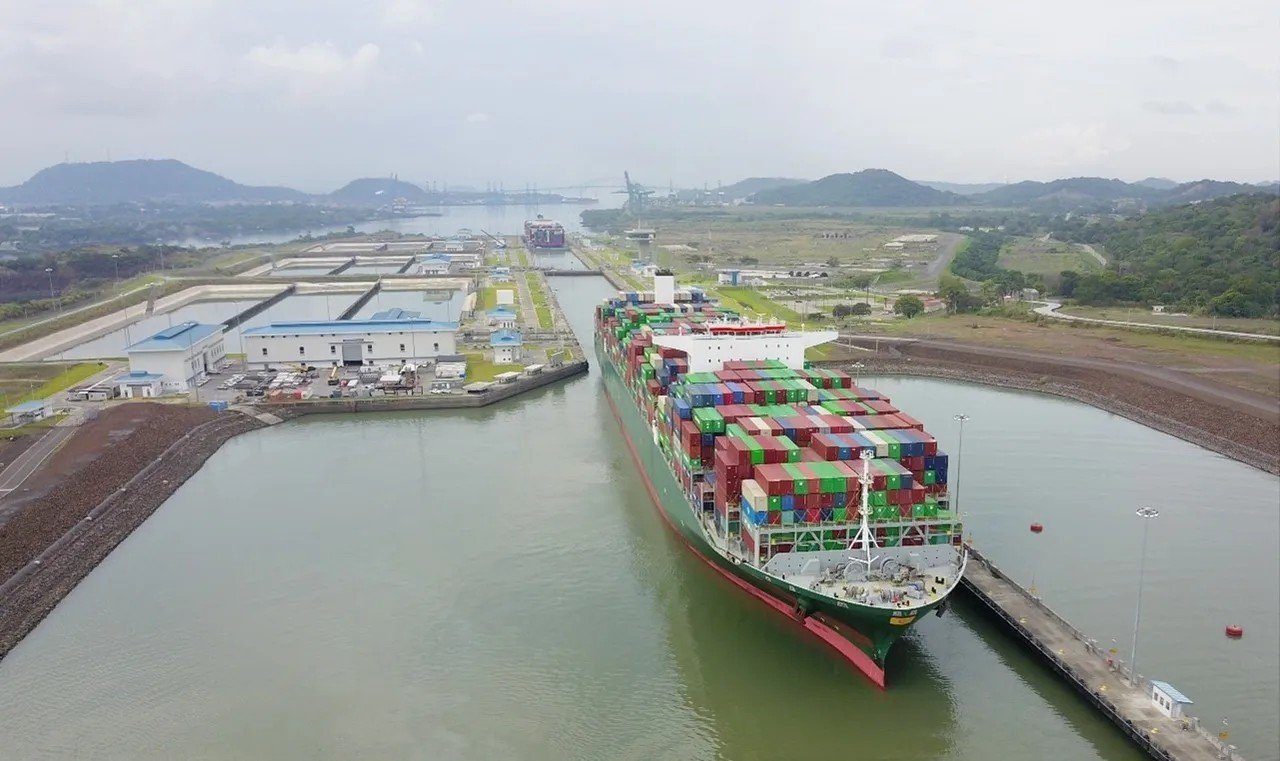
The Panama Canal Authority (ACP) announced a further reduction in the maximum authorized draught for vessels transiting the neo-Panamax locks, in line with its ongoing water management strategy ahead of the 2026 dry season.
An Advisory to Shipping says the current maximum draught of 15.09 metres, which has been in place since 1 July, will be lowered to 14.63 metres, effective 26 August 2026. On September 3, a further reduction will come into force, reducing the maximum permitted draught to 14.48 metres.
The Panama Canal Authority confirmed that the changes will not affect the maximum number of daily vessel transits, which will stay at roughly 38 ships per day, despite the new restrictions. The changes are part of a larger package of water conservation measures implemented in December 2025 to ensure the continued functioning of the canal in times of reduced water availability.
The Authority said the action is consistent with the current water levels and projections for Gatun Lake, the main freshwater reservoir for the canal. The ACP said the measure aims to protect water resources and guarantee the long-term sustainability and operational reliability of the interoceanic waterway.
While transit capacity has not changed for the time being, the global shipping industry is likely to closely monitor the latest draught reductions. A number of operators remain wary after the devastating El Nino induced drought that hit the canal in 2023 and 2024, when water shortages forced the Panama Canal to cut daily vessel transits to between 18 and 22 ships at the height of the period.
The newly announced restrictions are the fourth and fifth draught adjustments announced by the Panama Canal Authority as part of its long term planning strategy. The ACP said the decisions were based on hydrological analysis, historical data and operational experience acquired during the challenges faced between 2023 and 2024, which it said will help the canal better anticipate and manage future climate-related risks while maintaining reliable maritime operations.