Maritime Nov 9, 2026
Qingdao and Singapore join forces to advance green and digital maritime corridors
The agreement between Shandong Port Group’s Qingdao Port and Singapore’s Maritime and Port Authority sets out joint initiatives on alternative marine fuels, digital data integration and maritime innovation.
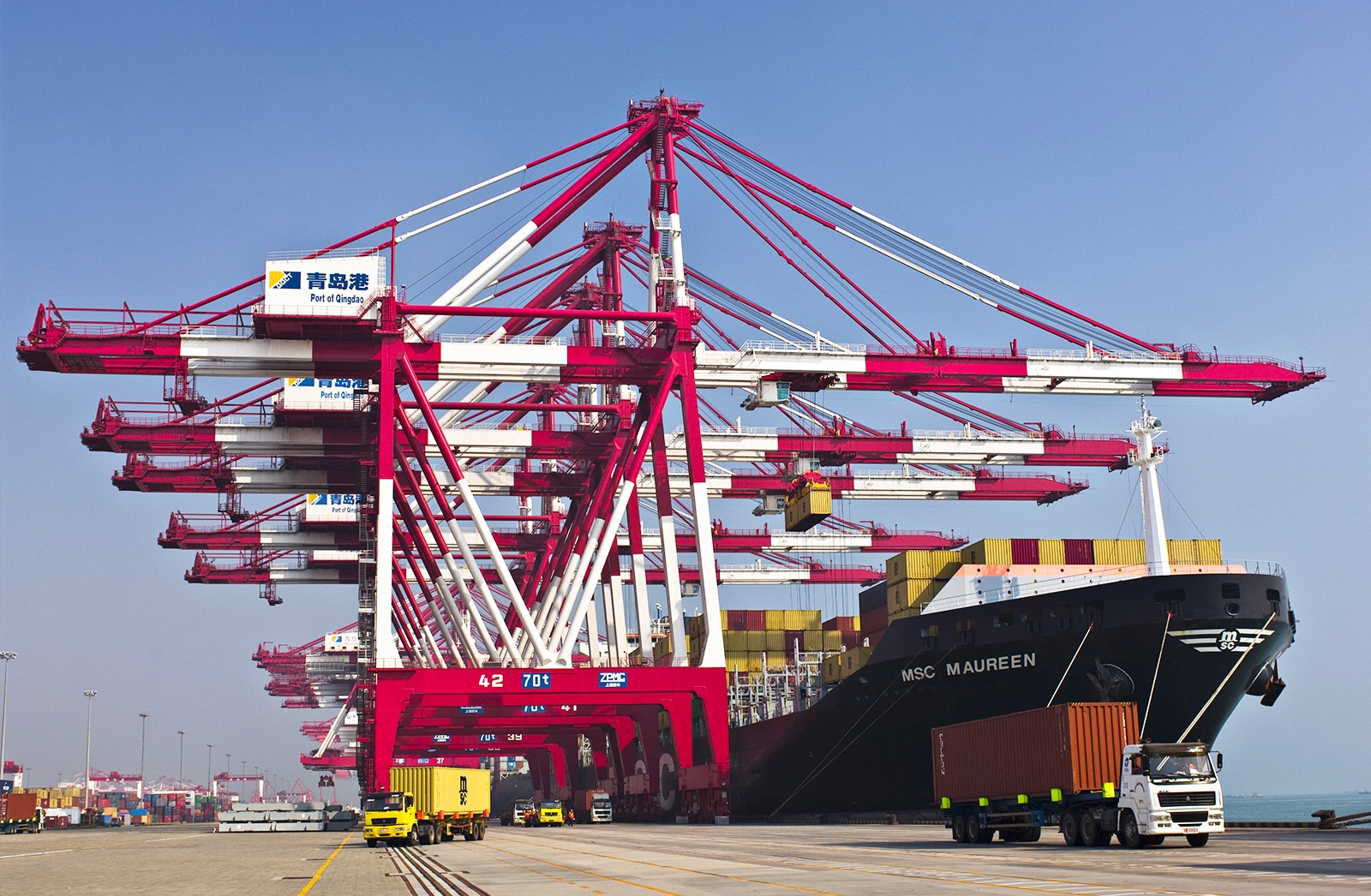
Shandong Port Group’s Qingdao Port and Singapore’s Maritime and Port Authority (MPA) have formalized a new partnership to accelerate the development of green and digital shipping corridors between the two major international maritime hubs.
The two organizations signed a Work Plan for Green and Digital Shipping Cooperation to set up a framework for coordinated action and lay the foundation for a dedicated low-carbon and digitally connected shipping corridor linking Qingdao and Singapore.
The agreement is an important operational milestone within the broader China-Singapore and Shandong-Singapore cooperation frameworks. In addition to the political and institutional commitments already established, the new plan translates bilateral ambitions into concrete initiatives involving port operations and maritime transport.
Three priorities central to the partnership
The cooperation will be concentrated on three major areas, starting with the development of cleaner marine fuels. The two companies intend to carry out demo bunkering operations for methanol and other zero or low greenhouse gas emission fuels. The trials, involving vessels providing direct shipping services between Qingdao and Singapore, will help support the transition to lower-carbon maritime transport.
The second key pillar of the agreement is the digital integration. The partners will leverage Shandong Port’s Cloud Port Connect platform and Singapore’s OCEANS-X digital maritime ecosystem to enhance interoperability between the vessel operational data systems of the two partners.
The initiative will support information sharing and increase visibility of vessel arrival schedules. It will also help with better berth allocation, better deployment of port resources and better overall turnaround times for vessels calling at both ports.
The third area of cooperation is research, development and innovation. Qingdao and Singapore will collaborate with top research bodies such as the Water Transport Institute under China's Ministry of Transport and Singapore's Maritime Institute. Their cooperation will include technical exchanges and joint research projects in the areas of alternative marine fuels and maritime digitalization.
Transforming bilateral commitments into operational progress
The pact takes advantage of the shipping networks and industrial capabilities of both maritime hubs and is considered a landmark achievement in the China-Singapore cooperation framework at the port operational level.
Qingdao and Singapore will collaborate on alternative fuels, digital connectivity and technological research to enhance their maritime partnership, and facilitate the growth of more sustainable and efficient international shipping corridors.
END OF REPORT