Maritime Nov 9, 2026
Shipbuilding capacity under pressure as vessel orders stretch waiting times to nearly four years
A surge in newbuilding contracts is pushing shipyard capacity to its limits, with production slots already booked for an average of 3.7 years. Major shipyards in China and South Korea are capturing most of the business, while smaller facilities face a growing shortage of orders and an increasingly uneven outlook.
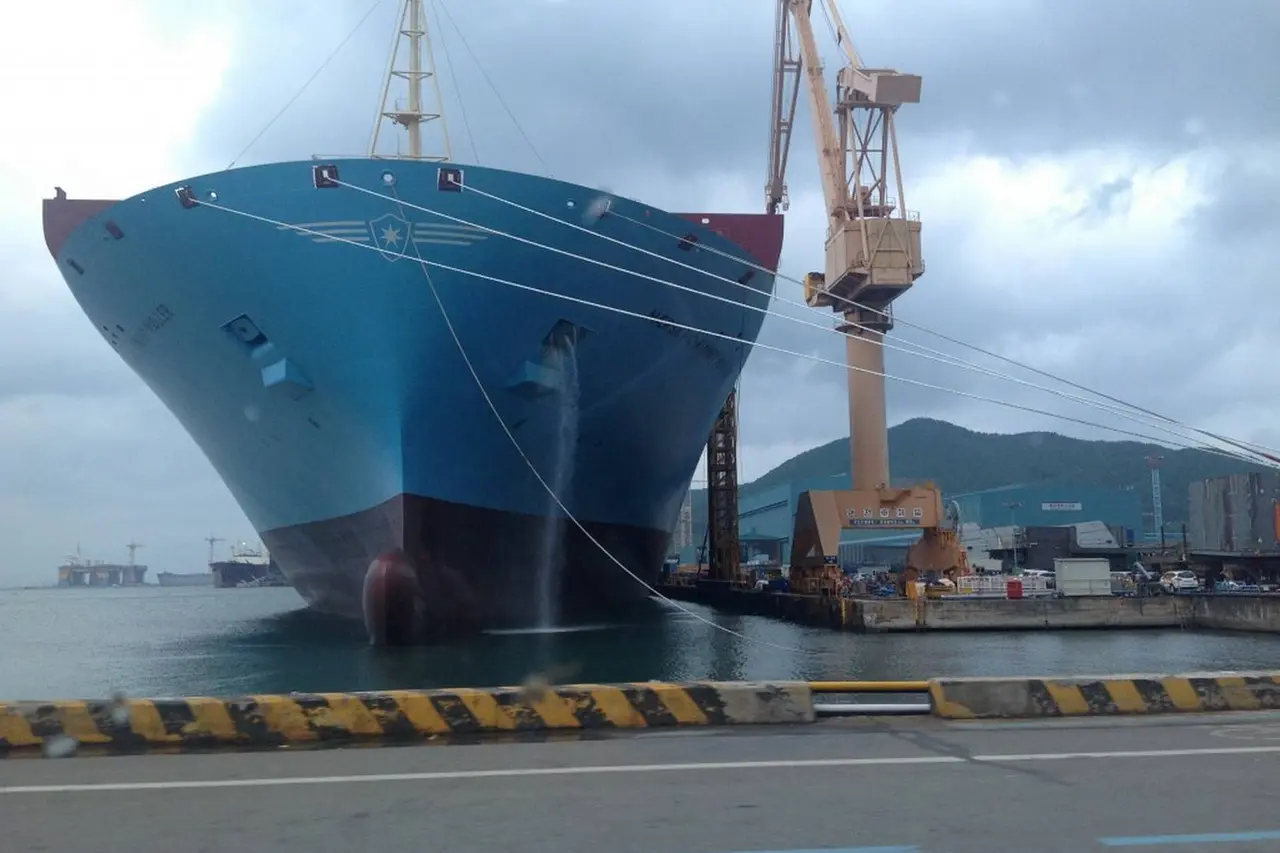
New orders for ships continue to outstrip deliveries, putting the global shipbuilding industry under increasing pressure. The latest Shipping Market Review from Danish Ship Finance (DSF) indicates that shipyards are having difficulty in keeping up with demand and therefore shipowners are experiencing increasingly long waiting times when ordering new ships.
This imbalance has led to a substantial rise in the amount of time that production capacity is already committed. The average shipyard slot is now booked for 3.7 years compared to just 1.4 years in 2020. This is happening while the number of shipyards with at least 10,000 dwt on order has risen by 30% to 277.
The rise in contract volume, however, is not being evenly distributed throughout the industry. The lion’s share of new orders is going to large first-tier shipyards, particularly in South Korea and China.
Since 2024 the number of first-tier facilities has exceeded the number of second-tier yards. The latter have traditionally been a buffer for new orders and provide additional production capacity. But their share of the available capacity has been dramatically cut down from 62% to 14%.
Japan’s second-tier shipbuilding capacity is now 3.8 million cgt, ahead of China’s 3.3 million cgt.
An expanding divide between large and small shipyards
The prospects are becoming increasingly difficult for the second-tier shipyards. DSF says that scheduled deliveries at these facilities are 43% of available capacity in 2027 before dropping to 19% in 2028.
The picture is very different for the first tier shipyards where scheduled deliveries are expected to reach 119% of capacity in 2027 and 130% in 2028.
This growing imbalance is what DSF calls a second-tier cliff. By the end of 2028, second-tier shipyards will have used up 87% of contracted work, compared with 45% for first-tier facilities.
The concentration of orders among the major shipbuilders is also reflected in the development of production capacity. First-tier capacity in the shipbuilding industry has more than tripled since the start of the decade. China’s capacity has doubled. South Korean and Japanese capacity has fallen.
The top 99 performing shipyards are expected to operate significantly above their nominal capacity for the next few years. The review found that their planned workload was 1.41 times capacity in 2027 and 1.64 times in 2028. These facilities represent 70% of the tonnage due in 2027 and 77% of the volume scheduled for 2028.
Newbuilding prices remain near historic highs
The pressure on capacity has also driven up prices for newbuildings. As the availability of slots at first-tier shipyards tightened, prices were within 3% of their 2008 peak by 2024.
Since then they have been relatively steady, even if ordering activity remains robust.
Another indication of the size of the current shipbuilding cycle is the spread of contracts by vessel segment.
Container ships account for some 17% of the world fleet but 32% of the total world orderbook, with orders amounting to 68 million cgt.
The largest operational fleet, dry bulk carriers, has on order 35 million cgt, equal to 13% of the present fleet.
Crude oil tankers account for 21% of the 82 million cgt currently on order, while LNG carrier contracts account for 26% of the 75 million cgt orderbook.
Contracting activity takes off again in 2026
The global orderbook is now at 210 million cgt across all vessel categories. DSF estimates that 38% of this volume has been contracted in the past 12 months.
Year-on-year additional orders have been growing steadily since 2020, with additional orders between 16 million and 29 million cgt through 2025.
That momentum has gained even more momentum in 2026. New orders were 45 million cgt in the first nine months of the year alone, another big leap in contracting activity.
But the difference between the dates at which delivery has been contracted for and the actual arrival of vessels remains an important consideration. DSF estimates that about 20% of orders, in cgt, are delivered years later than originally scheduled. Most of these late ships come in by June of the next year.
The company’s data also indicate that another 5% to 7% of orders are never delivered.
The review highlighted the increasing concentration of business within a relatively small number of shipbuilders. Since 2021, shipyards have secured more orders than they have delivered every year, with volumes contracted in the past 12 months equal to 1.6 times the number of deliveries.
Container ships are driving the orderbook growth, accounting for two-fifths of the growth, with four-fifths of the extra orders won by Chinese shipyards. Meanwhile, the top 99 shipyards took 81% of all orders placed last year.
Vessels will be delivered at different peak times
But the orderbook has grown significantly and the resulting increase in fleet capacity will not be uniform across all shipping segments.
The peak in deliveries for gas carriers is expected to occur next year, while container ships and crude oil tankers will see their highest delivery volumes in 2028.
The biggest growth is container shipping. For 2028 alone, deliveries are set to hit 25.6 million cgt, or some 13% of the existing container ship fleet.
The additional tonnage is expected to amount to 32% of the current fleet over the three-year period 2027-2029.
That means that the container ship sector alone could see fleet expansion of 11% in 2028, underlining the magnitude of capacity increase expected from the current shipbuilding boom.
END OF REPORT