



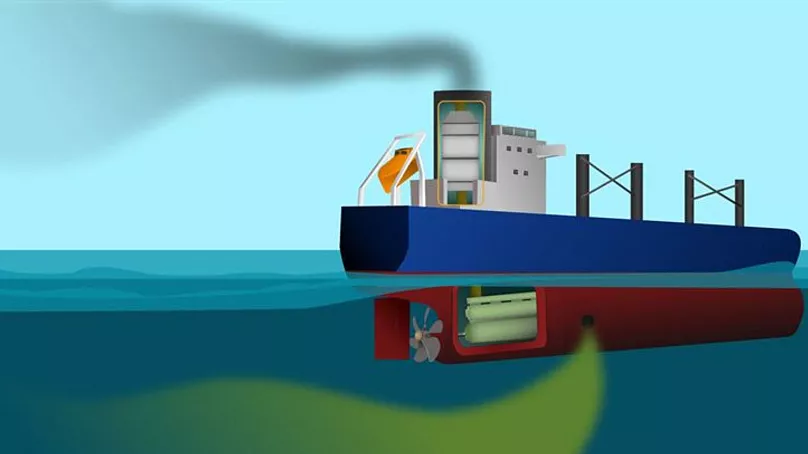
Scrubbers, long associated with ships running on conventional fuel, are making an unexpected comeback… where they were not expected: on new container ships advertized as “dual-fuel” (diesel + LNG or diesel + methanol). For observers, the message is ambiguous: if a ship is designed to consume LNG or methanol, why install a sulfur smoke cleaning system… when these fuels emit almost no sulfur oxides?
According to the cited analysis, this configuration suggests a more pragmatic than symbolic strategy: keeping the option to burn conventional fuel some of the time — particularly when the price difference between “green” fuels and conventional fuels makes the sustainable option economically difficult. The subject touches on a sensitive point: more and more shippers are accepting to pay a premium to reduce their emissions (and meet their Scope 3 targets). But if, in practice, some trips are made with cheaper fuel, the question becomes immediate: what is actually consumed, and how can the announced carbon footprint be proven?
The paper also reminds that European carbon pricing rules have made “green” more competitive since 2024, without erasing the central problem: access and the price of alternative fuels remain unstable. In this context, the “scrubber + dual-fuel” equipment looks less like a technical inconsistency than an operational insurance: being able to navigate, even if the green fuel market doesn’t keep pace with the announcements.