



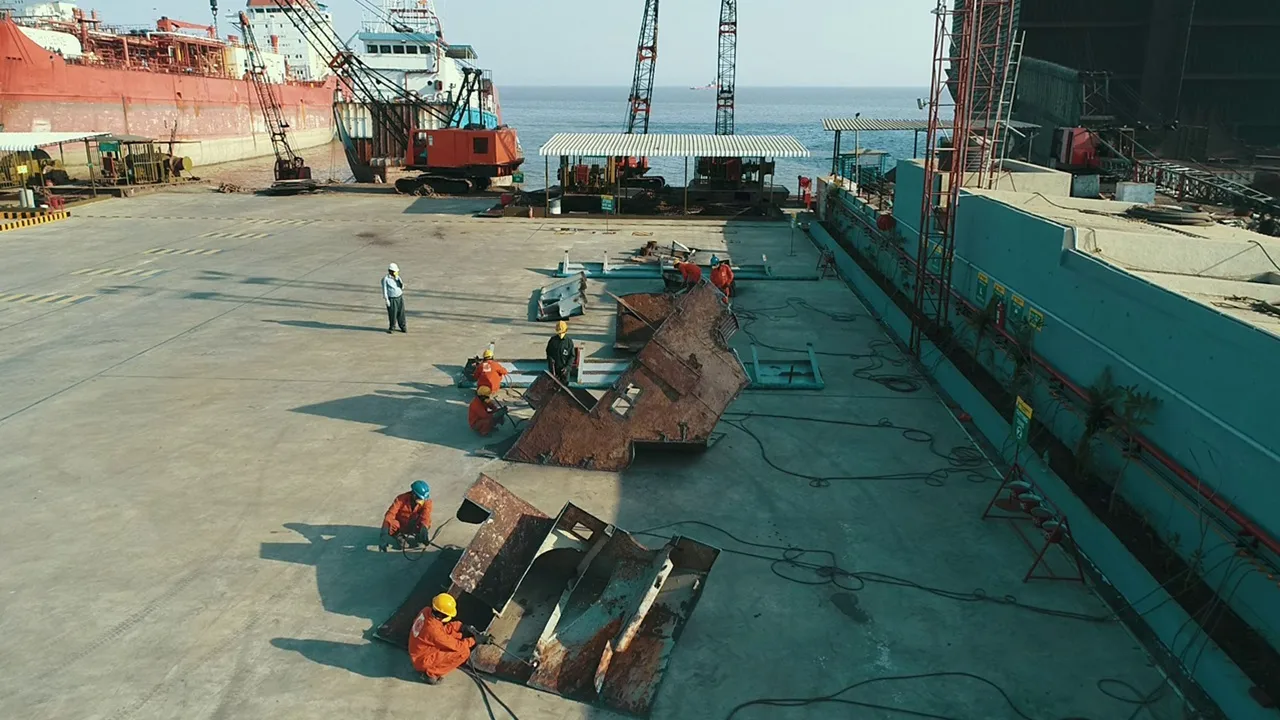
India’s ship recycling industry is facing a growing capacity squeeze as administrative and documentary delays prevent a large number of yards from obtaining the approvals required to handle end-of-life vessels.
Rakesh Khetan, CEO of Wirana Shipping, one of the world’s largest cash buyers of ships destined for recycling, is urging India’s designated Competent Authorities to accelerate the process and make the necessary documentation available without further delay.
At the centre of the problem are Documents of Authorisation for Ship Recycling (DASR), which are issued to individual recycling facilities. Shipowners require these documents when determining where their vessels can be recycled. DASRs are also required before a ship can receive its International Ready for Recycling Certificate, allowing owners to identify yards that meet the necessary qualifications.
According to an analysis by Wirana Shipping, only around 36 to 40 of India’s recycling facilities have so far obtained a DASR. That represents less than half of the more than 110 Indian yards that have already been certified under the IMO’s Hong Kong Convention.
The resulting capacity constraint comes as recycling yards are already competing aggressively to secure end-of-life tonnage. At the same time, charter rates boosted by war-related disruptions are allowing many vessels that could otherwise become scrap candidates to remain profitably employed in commercial service.
With fewer ships reaching the recycling market, Wirana estimates that yards have increased their offers by between $10 and $15 per light displacement ton in an effort to secure available tonnage. The company expects this market dynamic to continue for several weeks, although the current documentary bottlenecks are preventing the market from functioning normally.
“Shipowners are asking for DASR and they need a clear answer when considering a recycling facility,” Khetan said.
He called for the delays to receive urgent attention, arguing that both shipowners and ship recycling facilities need greater certainty to plan their operations.
“We are mindful of the fact that India has very high number of HK Convention-certified SRF and this would pose a logistical challenge but steps from the designated Competent Authorities will help resolve the difficulties faced by ship recyclers,” he added.
Wider regulatory obstacles remain
The DASR delays are not the only regulatory challenge facing the global ship recycling sector.
Earlier this year, David Loosley, BIMCO Secretary General and CEO, highlighted the disruption affecting the recycling market. In February, the European Commission adopted the 15th edition of the European List of Ship Recycling Facilities.
The updated list contained 41 facilities: 30 located in the European Union, Norway and the United Kingdom, 10 in Türkiye and one in the United States.
Notably, the list contained no facilities from the Indian subcontinent, despite South Asia remaining the principal destination for ships reaching the end of their operational lives.
Loosley has pointed out that more than 110 Indian recycling yards already hold a Hong Kong Convention Statement of Compliance issued by members of the International Association of Classification Societies.
Bangladesh also has 23 facilities authorised to carry out ship recycling in compliance with the Hong Kong Convention.
For BIMCO and its Ship Recycling Alliance which brings together representatives of ship recycling associations, recycling facilities, cash buyers and shipowners the continued exclusion of South Asian yards from the European list has become a significant industry concern rather than a simple administrative issue.
Loosley argued that some of these facilities are capable of meeting, and in certain cases exceeding, the standards applied by the European Union.
The combination of delayed Indian authorisations, limited available recycling tonnage and wider regulatory differences between markets is therefore adding further pressure to an already competitive ship recycling sector.