



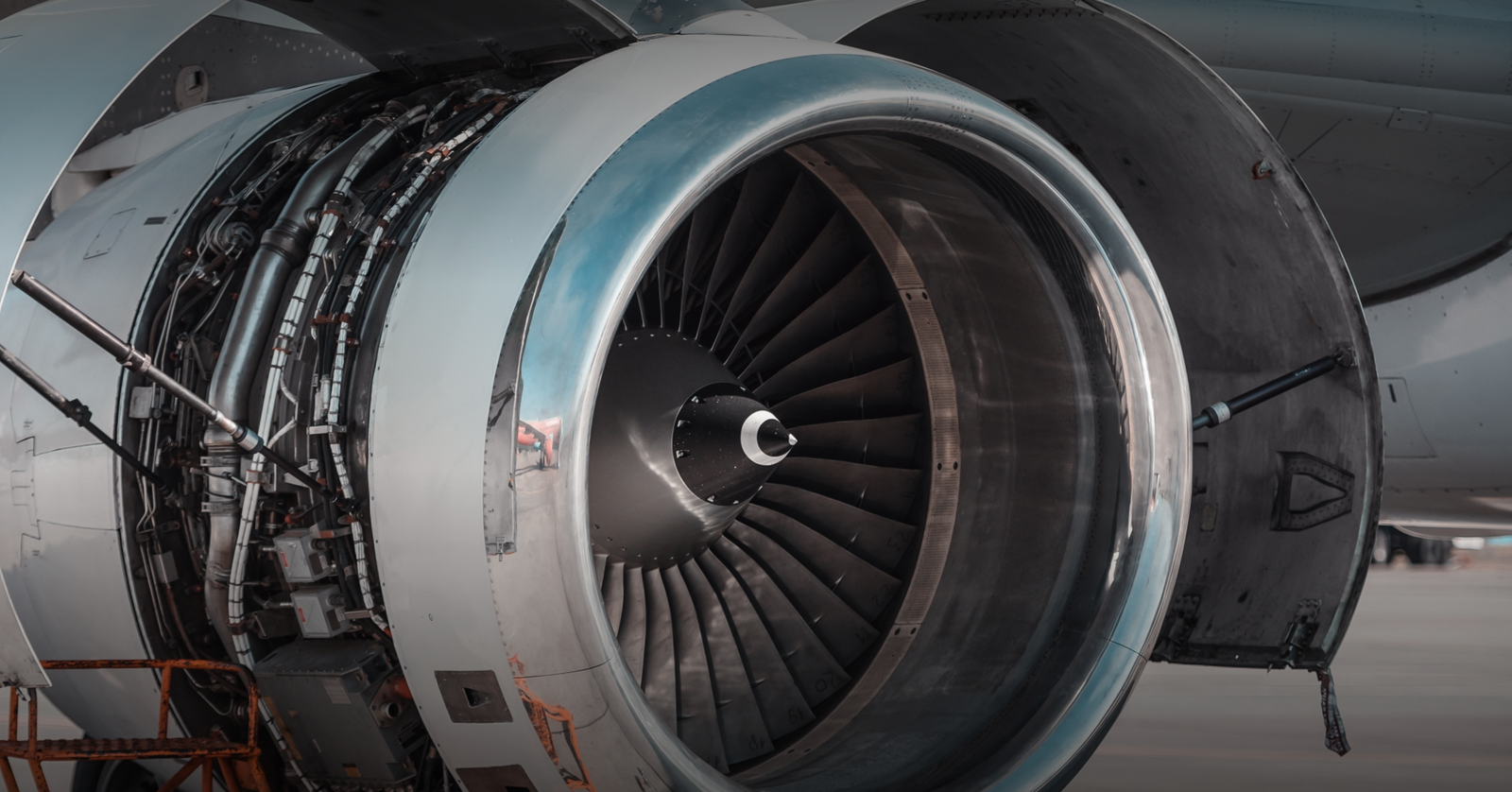
Tata Consultancy Services (TCS) and Rolls-Royce have achieved a significant milestone in the development of hydrogen-powered aviation after successfully operating a modern aero gas turbine using 100% hydrogen throughout a fully simulated flight cycle.
The demonstration covered the three main stages of flight — take-off, cruise and landing — and was carried out as part of a four-year programme examining hydrogen’s potential as a future aviation fuel.
The test focused on validating key technologies required for hydrogen propulsion, including combustion, fuel systems and engine controls. The results provide further insight into how hydrogen can be managed within a modern gas turbine under conditions designed to replicate an aircraft’s operating cycle.
TCS joined the Rolls-Royce-led programme in 2024 after the initiative was launched with easyJet in 2022. The technology company contributed engineering and digital expertise across several areas, including fuel-system and engine-control integration, hydrogen combustion analysis, test preparation, validation, data analytics, risk management and detailed design.
According to Rolls-Royce, the findings will help guide future propulsion development, including work associated with its UltraFan technology, while strengthening understanding of hydrogen combustion and related control systems.
Adam Newman, Chief Engineer of the Hydrogen Demonstrator Programme at Rolls-Royce, said the testing provided valuable information on the behaviour of 100% hydrogen in a modern aero gas turbine and helped validate critical propulsion technologies.
For TCS, the project demonstrates how engineering, software and digital capabilities can be combined to accelerate the development of emerging aviation technologies.
Anupam Singhal, President – Manufacturing at TCS, said the achievement brings hydrogen propulsion closer to practical application and demonstrates the importance of collaboration across the aviation ecosystem.
The programme involved Rolls-Royce and TCS alongside partners including easyJet, NASA and the UK Health and Safety Executive. Their combined work is aimed at addressing some of the technical challenges associated with using hydrogen as an aviation fuel.
Aviation currently accounts for around 2–3% of global carbon dioxide emissions. Unlike conventional jet fuel, hydrogen propulsion could eliminate in-flight CO₂ emissions when produced and deployed under appropriate conditions.
The latest demonstration does not mean commercial hydrogen-powered passenger aircraft are ready for service, but it provides important technical evidence for future engine development. The data and operational experience gained through the programme are expected to inform subsequent propulsion technologies as the industry searches for lower-carbon alternatives to conventional aviation fuels.