



Trans-Pacific container freight rates climbed to fresh highs last week, driven by peak-season demand that has proved more resilient than expected despite getting underway earlier than usual, in May.
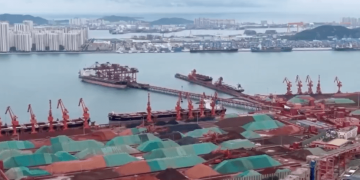
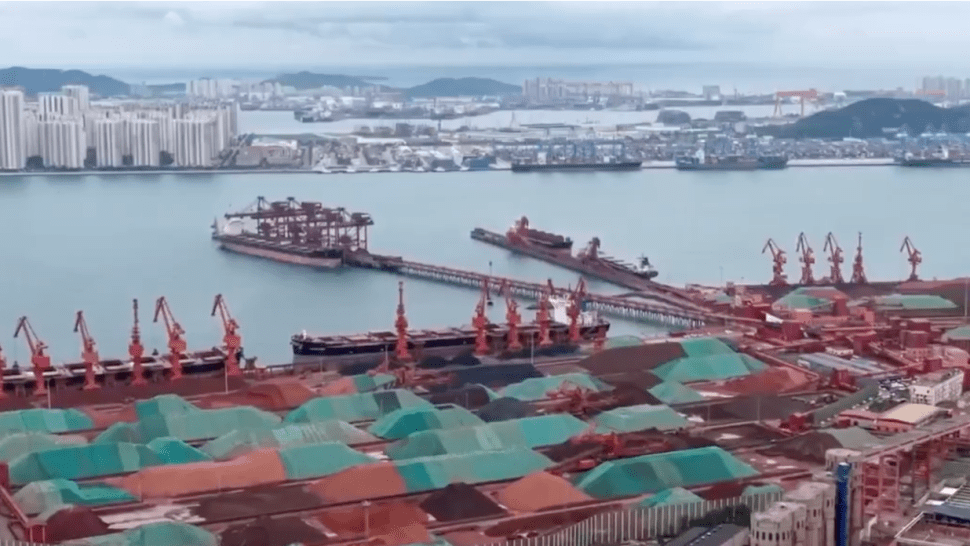
At the same time, persistent congestion at major Asian ports following a succession of typhoons is reducing effective vessel capacity. The resulting pressure is helping to keep freight rates elevated across both the trans-Pacific and Asia-Europe trades.
According to SONAR data contributor Freightos (NASDAQ: CRGO), rates from Asia to the U.S. West Coast rose 2% to $7,621 per forty-foot unit. Asia-to-U.S. East Coast rates also gained 2%, reaching $9,791.
Freightos analyst Judah Levine said demand may have received a boost from the absence of further tariff increases in July, removing one potential source of disruption for imports bound for the United States. Ocean shipments of data-center hardware have also increased, providing additional support for volumes.
Reports that tariff refunds have enabled some retailers to reduce prices could also be improving expectations for consumer demand, Levine added.
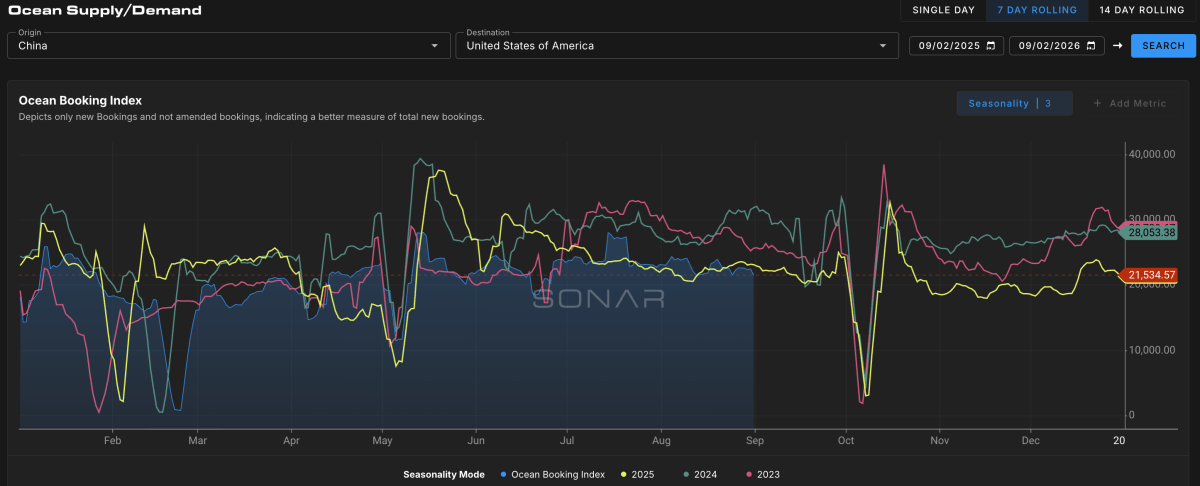
Ocean carriers are preparing to add some trans-Pacific capacity in September, ahead of the scheduled blank sailings expected around China’s Golden Week holiday period. While those additional services could offer limited relief in the short term, planned withdrawals later in September could once again tighten available capacity, according to Levine.
Some carriers are also weighing low-water surcharges for vessels transiting the Panama Canal. Should those charges be introduced, they could put additional upward pressure on freight rates to the U.S. East Coast, particularly on services relying on the Panama Canal rather than the Suez Canal or routes around Africa.
Typhoons deepen disruption across the Far East
A succession of typhoons since mid-July has caused severe and continuing disruption at ports in China and across the wider Asian region.
The latest storm forced the closure of ports including Shanghai and Ningbo, adding to congestion that carriers have increasingly described as difficult to clear.
In response, some carriers have omitted port calls, rerouted cargo through transshipment hubs and modified vessel rotations.
While these measures can help carriers protect schedule reliability in the short term, they can also displace cargo and add to backlogs elsewhere in the network. Levine said this is contributing to a wider accumulation of congestion across the system.
The resulting restrictions on effective vessel capacity have become an important source of support for freight rates, even though demand conditions continue to vary significantly between individual trade lanes.
Asia-Europe rates retreat but remain elevated
Asia-North Europe spot prices have fallen by more than $1,000 per FEU from their July peak, while rates to the Mediterranean have dropped by more than $2,000 per FEU.
The declines reflect a cooling in demand on the Asia-Europe trade following the stronger summer surge.
Despite the correction, rates on both routes remain approximately 40% to 70% above their pre-peak May levels.
Ongoing congestion at Asian ports, combined with disruption affecting regional transshipment hubs, appears to be limiting the extent of the decline and preventing a sharper correction in spot freight prices.
Transatlantic market strengthens as carriers cut capacity
The trans-Atlantic container market has also shown signs of strengthening.
Freightos data indicates that rates increased by around $400 per FEU over the past two weeks, as carriers reduced available capacity.
Carriers have announced further rate increases for September. However, market observers remain doubtful that the full increases can be sustained, particularly in a trade where demand has generally provided less support than on the trans-Pacific.
The direction of freight rates through the remainder of September will ultimately depend on several factors: whether congestion at Far East ports begins to ease, the extent of blank sailings scheduled around Golden Week, and whether carriers can maintain capacity discipline as the traditional peak-shipping season continues.