



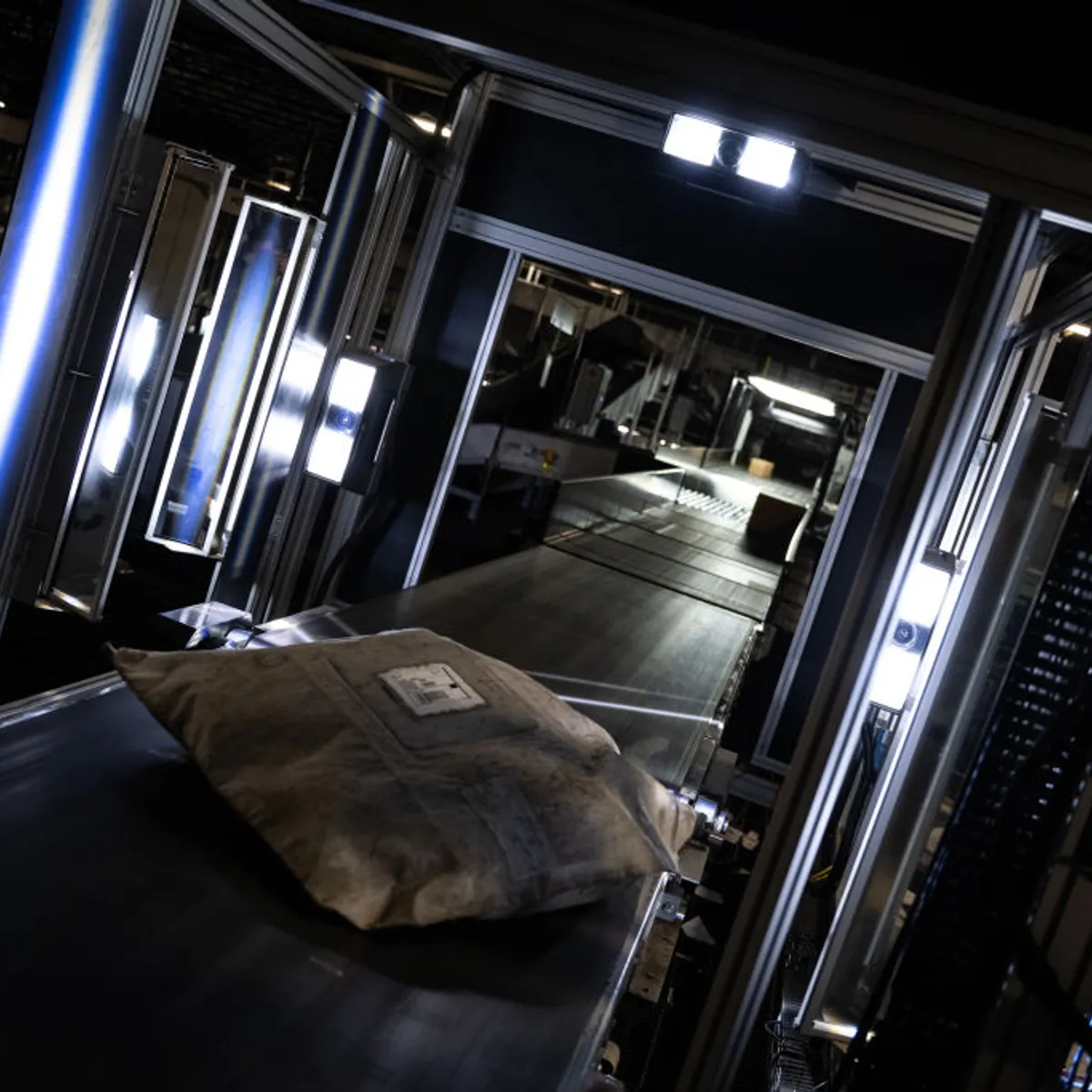
UPS is widening the use of RFID package sensing technology across its U.S. network in a move designed to improve shipment visibility, strengthen delivery reliability and reduce the need for manual scanning.
The carrier said the next phase of the rollout will include installing RFID sensors across its U.S. hubs beginning later this year, followed by the introduction of RFID label printing capabilities for customers in 2026 and 2027.
According to UPS, the expansion could eliminate nearly 20 million manual scans per day. RFID allows shipments to be sensed automatically as they pass network readers, helping the company reduce labour-intensive handling as part of its broader operational overhaul.
Michael Yoshida, UPS vice president of product innovation and strategy, said the company has used RFID for years in critical healthcare shipments, but falling label costs have now made it practical to expand the technology to a much wider customer base.
He said UPS is starting with the U.S. segment before moving internationally, with the long-term goal of equipping almost every package in the network with RFID.
The carrier has already invested more than $100 million in developing and deploying the technology. Today, every package shipped through more than 5,500 The UPS Store locations already receives an RFID label, and tag readers are installed in all of UPS’s U.S. package delivery vehicles.
As more customers gain the ability to print RFID labels directly, UPS said pickup visibility will also improve because vehicles will be able to register shipments automatically at collection. Yoshida noted that for large shippers with multiple pickups per day, this could provide tracking data hours earlier than before.
Technology distributor Ingram Micro is among the customers already building around UPS’s RFID capabilities. Bill Ross, executive vice president of global operations and engineering at Ingram Micro, said the technology allows shippers to interact with carriers more proactively when issues arise during transport.
At its Texas warehouse, which handles more than 28% of Ingram Micro’s UPS volume, the company now places RFID labels on all UPS-bound packages. Ross said other sites will follow.
He said the focus is on building the right data structures between UPS and Ingram Micro so that artificial intelligence can eventually be layered on top to generate shared insights, such as ways to limit delays or reduce unnecessary handling inside UPS processes.
Ross added that Ingram Micro previously relied on FedEx for parcel shipping before shifting to UPS in large part because of UPS’s willingness to invest in RFID. FedEx, however, is also developing its own RFID programme and has begun testing sensors on selected customer shipments, with plans to scale over time.







