World Nov 25, 2026
US Weighs New Tariffs on EU, China and 14 Other Economies Over Manufacturing Subsidies
The proposed Section 301 measures would target alleged structural overcapacity in global manufacturing, with tariff rates varying by country and potentially adding between 2% and 7.5% to existing duties.
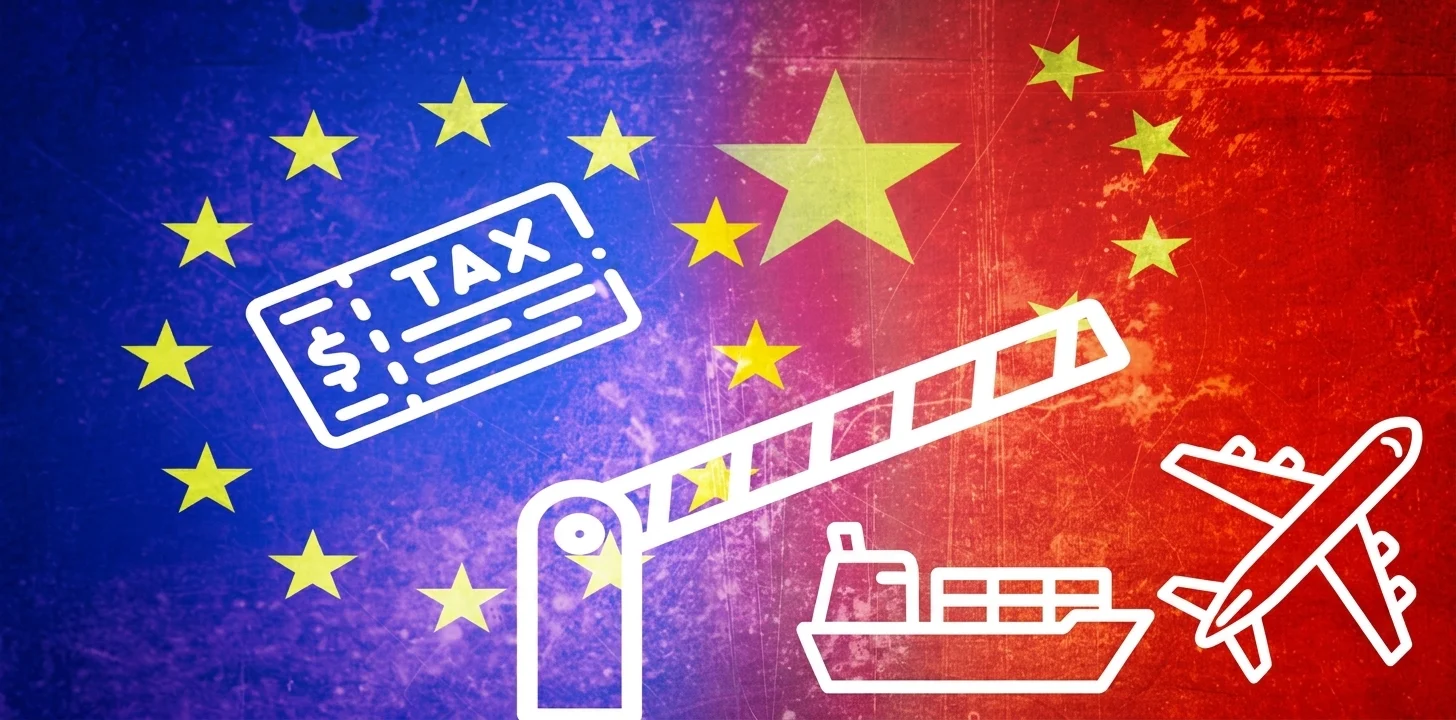
The U.S. is preparing a new round of tariffs on imports from China, the European Union and 14 other economies, accusing them of hurting American manufacturers with government subsidies for domestic industrial production.
The moves may mark an end to an investigation the Office of the US Trade Representative (USTR) launched on 11 March 2026, Bloomberg reported, citing people familiar with the matter. The probe was launched under Section 301 of the 1974 Trade Act, which gives the US president the power to impose unilateral tariffs in retaliation for what Washington sees as unfair trade practices.
The USTR declined to comment on the reported plans and the White House did not respond to requests for clarification.
Sixteen economies under the microscope_
Besides China and the EU, the probe covers India, Japan, South Korea, Mexico, Vietnam, Taiwan, Thailand, Malaysia, Indonesia, Switzerland, Norway, Singapore, Bangladesh and Cambodia.
The proposed tariff rates would vary from country to country and would primarily cover manufactured products. Bloomberg’s sources say the additional duties would not increase total tariff burdens beyond the levels set in existing bilateral agreements, such as those negotiated by Donald Trump with the European Union and China.
The Wall Street Journal said the combined tariff rate for the EU, Japan and South Korea would stay below 15%. Steel, aluminum and automobiles, already under separate trade measures, would be excluded, while India and Vietnam might face higher rates.
But the final list of products to be affected and the date of implementation are still to be decided.
China may extend tariff coverage
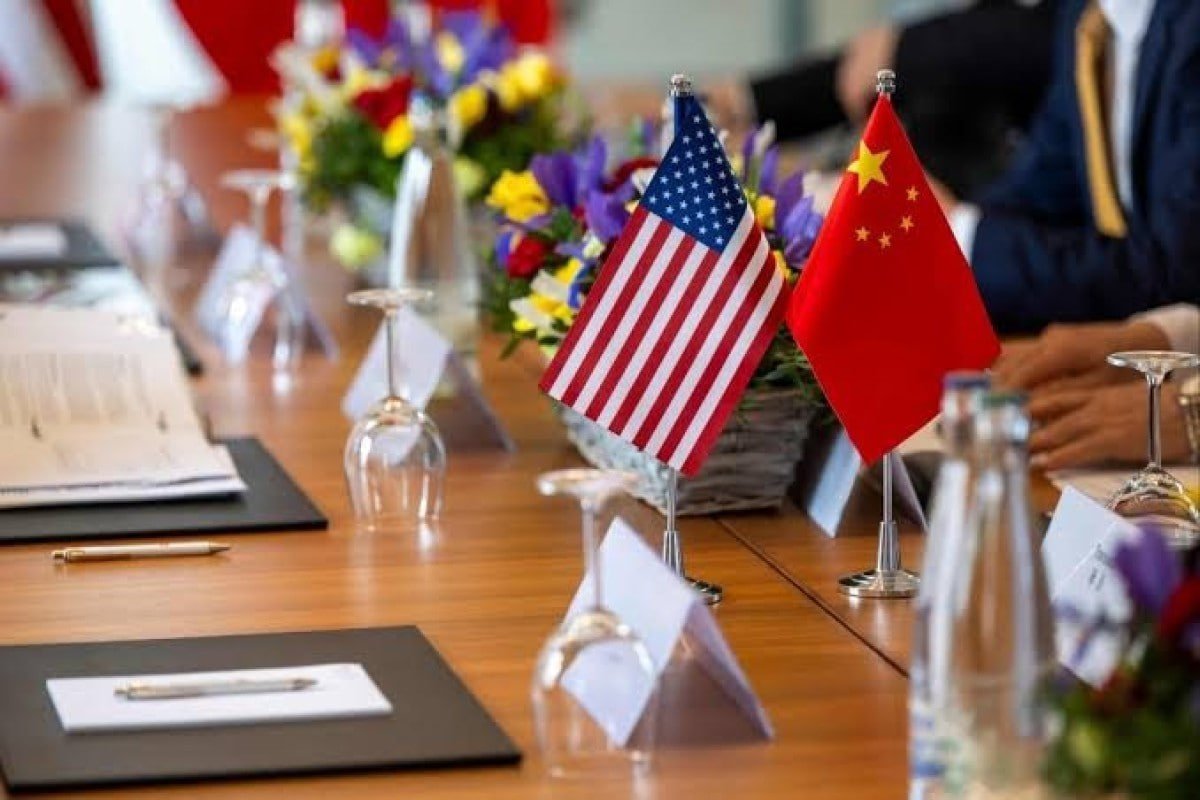
The measures would reportedly remain within the limits of the trade truce agreed between Chinese President Xi Jinping and Donald Trump in South Korea in 2025, but China could face a broader array of additional duties, possibly without exemptions.
According to Reuters, the deal, which runs out on Jan 10, 2027, freezes tariffs introduced during Trump’s second presidency at 20%. These duties come on top of tariffs of roughly 25% imposed during his first term.
All Chinese imports already face a separate 12.5% forced-labour tariff, providing another 7.5 percentage points of leeway under the current regime. If the trade truce is extended, the ceiling would stay there, a source cited by Reuters said. But if there is no extension, the tariff rate associated with excess manufacturing capacity could rise.
Washington accuses Beijing of flooding global markets with products like steel, aluminum, electric vehicles, household appliances and solar equipment. The Chinese government rejects the criticism, saying its exports reflect genuine comparative advantages.
The US probe also looks at Chinese investments in Vietnam, Indonesia and Cambodia. According to the allegations, the investments are used to develop products for the U.S. market and to avoid tariffs imposed directly on Chinese products.
Additional duties may be up to 7.5 %
The proposed measures could have a significant financial impact on international trade. Deborah Elms of the Hinrich Foundation estimated on LinkedIn that the new tariffs could add 2% to 7.5% to existing duties.
Ryan Majerus, a partner with Washington-based law firm King & Spalding, said the investigation is a legacy project the current administration wants to leave behind before it goes. He also believes it will probably be the most significant tariff move the administration makes.
U.S. Trade Rep Jamieson Greer has contended that the economies studied have flooded American manufacturers with cheap exports. But the European Commission rejected the charge in March, saying the EU is an open market economy and does not add to structural global overcapacity in manufacturing.
New measures could replace tariffs struck down by high court
The planned Section 301 tariffs would also provide the Trump administration an opportunity to replace, at least in part, duties invalidated by the US Supreme Court on February 20, 2026.
In Learning Resources v. Trump, the Court ruled 6-3 that under the International Emergency Economic Powers Act (IEEPA) the president does not have the authority to impose tariffs.
After the ruling, the White House imposed a temporary 10% global tariff under Section 122 of the Trade Act. This measure was replaced on 24 July 2026 by tariffs of 10% or 12.5% on 60 countries, which represent 99.4% of US imports.
The justifications for these duties were that the countries concerned did not have a ban on imports produced by forced labor or did not effectively enforce such prohibitions.
The rate will be 10% for countries that have enacted or committed to enacting a forced-labour import ban, and 12.5% for those that have not. The products are subject to existing Section 232 measures.
The forced labor tariffs are also being challenged in the US Court of International Trade. The parties’ arguments were heard on 30 September 2026 but the court has not yet delivered its ruling. In the meantime, importers must still pay the duties.
The result of the Section 301 investigation could thus again change US tariff structure with possibly significant implications for manufacturing supply chains, international trade flows and competitiveness of exporters in the 16 economies involved.
END OF REPORT