Land Nov 12, 2026
Waberer’s Proposes W Solum Holding as New Corporate Name
The Hungarian logistics group plans to rename its listed parent company from January 2027, reflecting its expansion beyond road transport into insurance, rail freight, passenger transport and real estate. The proposed rebranding comes as insurance becomes the group’s largest contributor to operating profit, while logistics continues to face profitability challenges.
Waberer’s International Nyrt, which is listed on the Budapest Stock Exchange, has proposed to change its corporate name to W Solum Holding Nyrt in the latest step of the group’s transformation into a diversified holding company. The proposal will be put to shareholders at an extraordinary general meeting on 8 December, announced on 29 October 2026. The new name is expected to be effective in early January 2027, subject to approvals and completion of required corporate formalities.
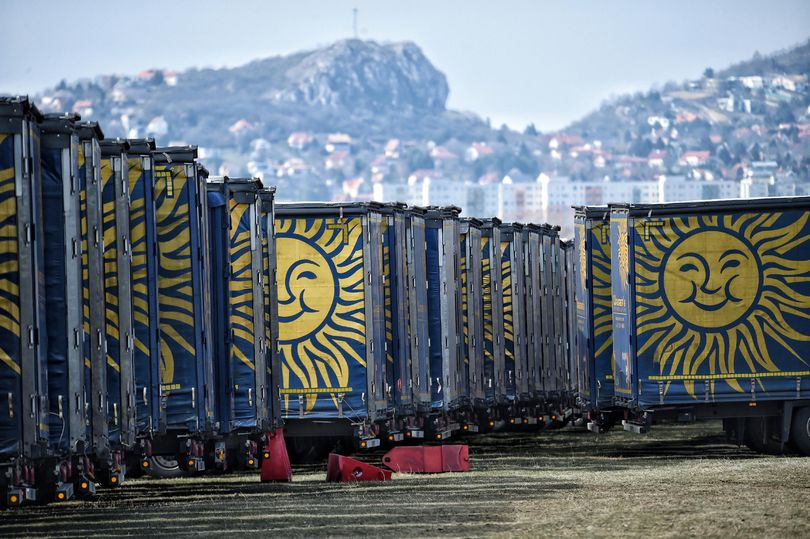
The change will be implemented at the level of the listed parent company and will not have an immediate impact on the operating businesses, which will continue to use their established brands in their respective markets for the time being. But the group plans to gradually update these identities, although no specific timeline or implementation plan has been made public. According to Barna Erdélyi, a member of the board, speaking to Economx, some elements of the Waberer’s identity could stay on the group's trucks for several years.
A new identity for a broader business model
The proposed name is intended to reflect the evolution of the group beyond its traditional roots in road transport. Waberer’s said its current name was strongly associated with road haulage, but its current activities also include insurance, rail freight, passenger transport and property development.
As noted by Erdélyi, the parent company listed no longer carries out transport operations itself. Instead, it coordinates the divisions of the group and supervises investment management. The transition to a holding structure began in 2025, with employees moving to Waberer’s Network and Nexways Cargo.
The new name keeps several elements of the group's historic identity. Waberer's is directly linked by the letter W, and Solum is a Latin word for ground or foundation. The company’s historic logo also features the word Sol, which means sun. The proposed umbrella brand will operate under the slogan “Build for more”.
The company has also guarantyd the long-term use of its well-established name. The company signed a deal with founder György Wáberer in 2022 to keep using the Waberer and Waberer’s names for another 99 years.
The group’s diversification has been speeded up by acquisitions
Since 2023 Waberer’s has been rapidly growing its business portfolio through a series of acquisitions, slowly decreasing its reliance on traditional road transport.
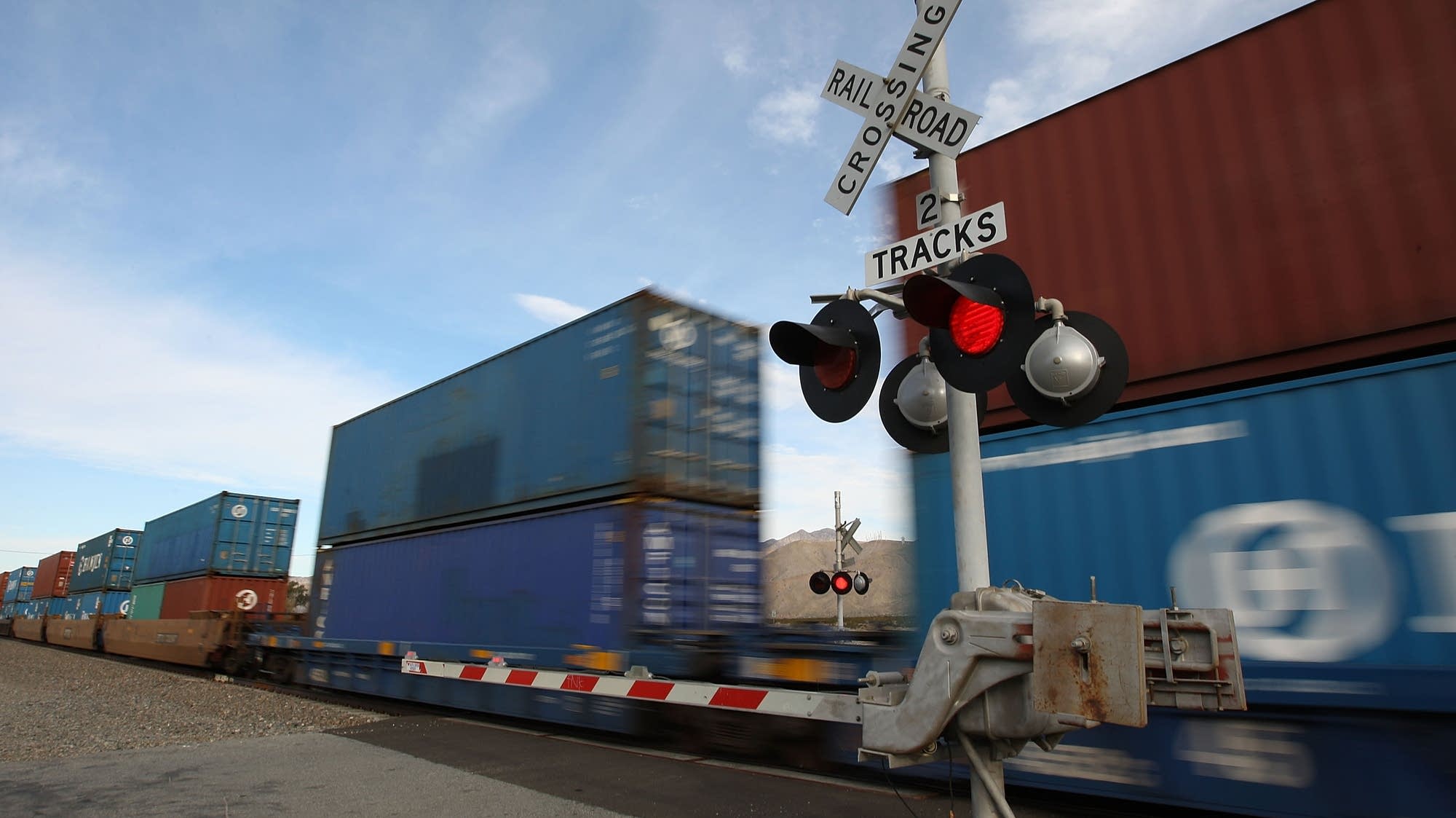
In November 2023 the group announced an agreement to acquire 51% of Petrolsped Group, a rail logistics specialist. In March 2024, it finished the acquisition of 55% of the Serbian company MD International.
The insurance business also grew considerably. In 2024, Gránit Biztosító bought 66.925 percent of the insurance companies of the postal service of Hungary. In March 2026, the group increased its ownership of Magyar Posta Biztosító to 100% by acquiring the remaining minority stake.
Waberer’s later entered the passenger transport market. In May 2025 it bought 51% of Pannon-Busz-Rent, with an option to buy the rest in 2027.
Bdpst Group is the majority owner of the company, holding more than 50% of the capital, whereas MOL holds a 15% stake. MOL closed the transaction for the acquisition of the stake on 25 April 2024, after receiving the required regulatory approvals.
Insurance becomes the Group’s main source of operating profit
The insurance foray has dramatically altered Waberer’s financial profile. The segment is now the biggest contributor to the group’s operating earnings.
Insurance contributed EBIT of €37.6 million, or around 65 percent of the group’s consolidated operating profit of €58 million in 2025. It was a 55 per cent increase on 2024.
Waberer’s reported revenue for the full year 2025 was €816.2 million, up 7.7% year on year. EBITDA was up 16.3 % to €118.7 million and EBIT rose 28.8 % to €58 million.
The figures for the first six months of 2026 also reflect the changing balance between the activities of the group.
Logistics remained the biggest business by sales, accounting for around 79% of the consolidated turnover. The segment represented €341.6 million of the group's total revenue of €435 million. It also contributed 63% of consolidated EBITDA €37.8 million out of €59.6 million .
But its contribution to operating profit was much smaller. EBIT from logistics was just €5.9 million, while insurance contributed €20.6 million.
Insurance thus contributed around 77% to the group’s consolidated EBIT of €26.6 million, although it generated revenue of €93.4 million.
Group revenue was up 9.4% in the first half of the year and EBITDA up 2.2%. EBIT was down 8.4%.
Strong transport and logistics infrastructure
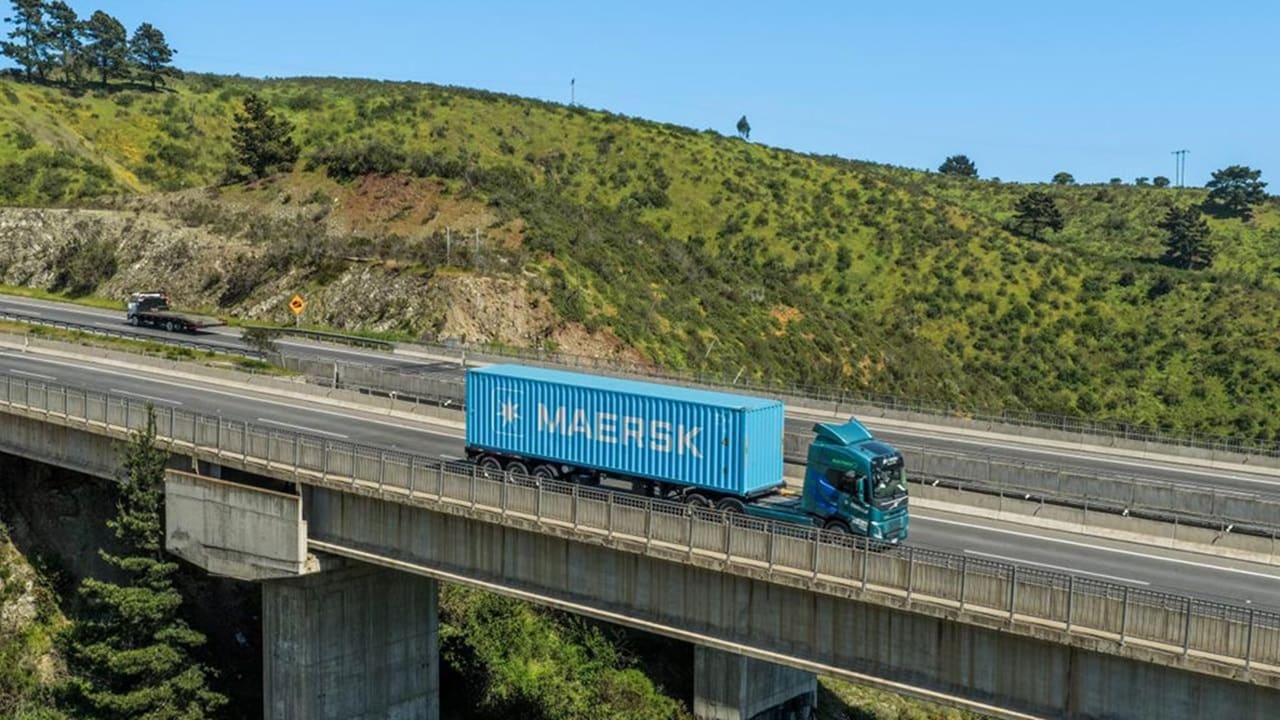
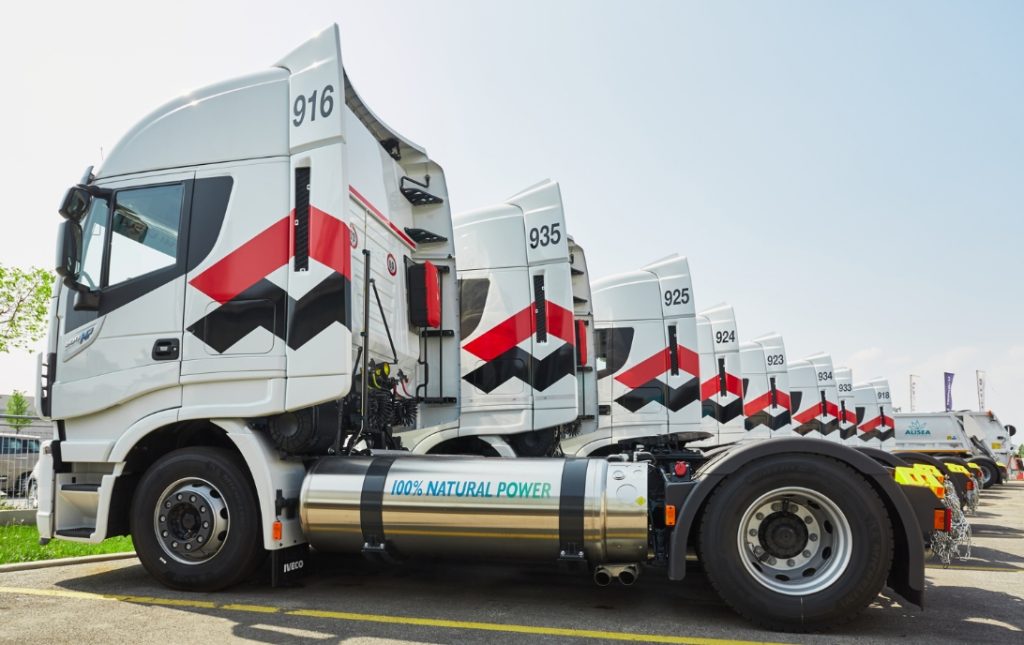
In Waberer’s second quarter report, the company states that it has on average a fleet of about 2,700 heavy goods vehicles. Approximately 68% of these are used for international routes, while the remaining 32% are used for regional transport operations.
It also has broader transport and logistics assets including 21 locomotives, 1,090 rail wagons and 203 busses. Additionally, the group has a portfolio of approximately 295,000 sqm of warehousing, 67% of which is leased.
One major accounting difference concerns Psp Group. It is not consolidated in the logistics segment revenues. Waberer’s includes its share of the results of the railroad business in the results of associates and joint ventures.
Logistics profitability still struggling
The logistics business still cannot turn revenue into operating profit, despite its sprawling operational network.
The EBIT of the segment included €7.3 million from contract logistics and an operating loss from international transport of €1.4 million.
The company said that the problems in international transport were mainly due to fuel costs and delays in the impact of contractual adjustment clauses on freight rates. Management said the company’s own-fleet transport operations turned profitable in the final month of the first half of 2026.
The drop in logistics EBIT was also mainly due to the lack of new warehouse projects for third-party customers. This was a year-on-year decline, because these projects had made a positive contribution to the comparable period, and the lack of them was a significant factor.
Zsolt Barna, President and CEO, confirmed that Waberer’s expects to see results in logistics and insurance in line with the expectations of the company for 2026.
Strategic review in light of economic uncertainty
The proposed corporate rebranding is part of a broader strategic review.
Waberer's said in August it was reviewing its medium-term strategic plan, pointing to delays in regional industrial investments, stagnation across Europe and uncertainties affecting the Hungarian economy.
So the shift to W Solum Holding means more than just a new name for the company. It represents the group’s desire to develop an identity that is more reflective of its growing diversified operations, investment structure and aspirations across a range of sectors.
“Insurance is playing an ever-increasing role in profitability and logistics is a major source of revenue and operational activity, so the proposed holding-company structure gives a more transparent framework for managing these separate businesses under one corporate umbrella.
END OF REPORT