



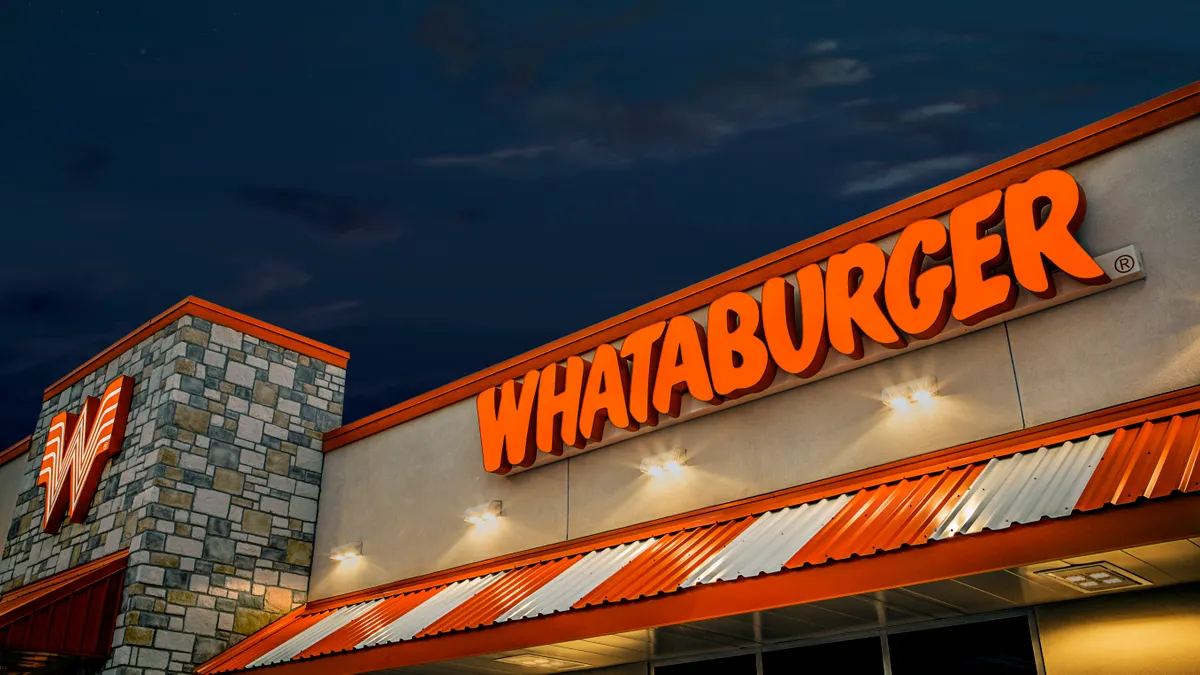
Whataburger is reworking its supply chain to meet rising food costs, cut transportation costs and fuel its expansion across the U.S. The Texas-based restaurant group, which has long-term relationships with local and family-owned suppliers, is broadening its sourcing approach as its network grows to more than 1,200 restaurants in 17 states.
These efforts have been led by the company’s Chief Supply Chain Officer (CSCO) Todd Huetinck, who has been with Whataburger since October 2024. He recently celebrated his second anniversary with the company and played a key role in growing beef and chicken supplier networks, closer integration with beef processors and the introduction of international sources for non-food products.
The point is not just to find cheaper suppliers. Whataburger is looking for partners to help them innovate and grow into the future, but they still want to maintain the quality standards that come along with their brand.
“We’re expanding into partners that can help us grow and innovate,” Huetinck told Restaurant Dive. “And the savings is a nice bonus.”
And the strategy is already affecting the company’s outlook for inflation. Huetinck said Whataburger is forecasting inflation below 2% in 2026, “significantly lower” than the national average for the food basket.
“We’re seeing the benefit of ongoing supplier collaboration and a more creative approach to buying,” he said, noting that cost reductions should not come at the expense of food quality.
Beef, chicken sourcing takes priority with rising costs
“But instead of chasing savings wherever they can be found,” Huetinck said, “Whataburger is focusing on product categories that have the biggest inflationary pressures. Beef has become a big focus. According to Federal Reserve Economic Data series cited in the original report, commodity prices for beef and veal products have increased nearly 17% over the past 5 years.
Huetinck and his team looked at how and where the company sources beef to manage the pressure and identified ways to improve procurement and distribution without compromising its commitment to fresh, never-frozen beef.
Product quality, food safety are non-negotiables. “These priorities are above cost,” said Huetinck, who spent 18 years at CKE Restaurants, the parent company of Carl’s Jr. and Hardee’s, in supply chain management and quality assurance.
So Whataburger grew its supplier base from small Texas-based suppliers to larger suppliers across North America. The company has also moved toward vertical integration, where practical, by dealing directly with beef packers.
This allows it to buy larger quantities and to accelerate products more effectively through the supply chain, which could benefit its purchasing economics and operational reliability.
The company is taking those same principles to other categories, especially poultry.
And as consumer demand for protein-packed meals and the popularity of chicken in the fast-food space continues to rise, Whataburger also has doubled the number of chicken suppliers it works with. The goal is not only to increase the volumes on offer but to develop partnerships that can support new products.
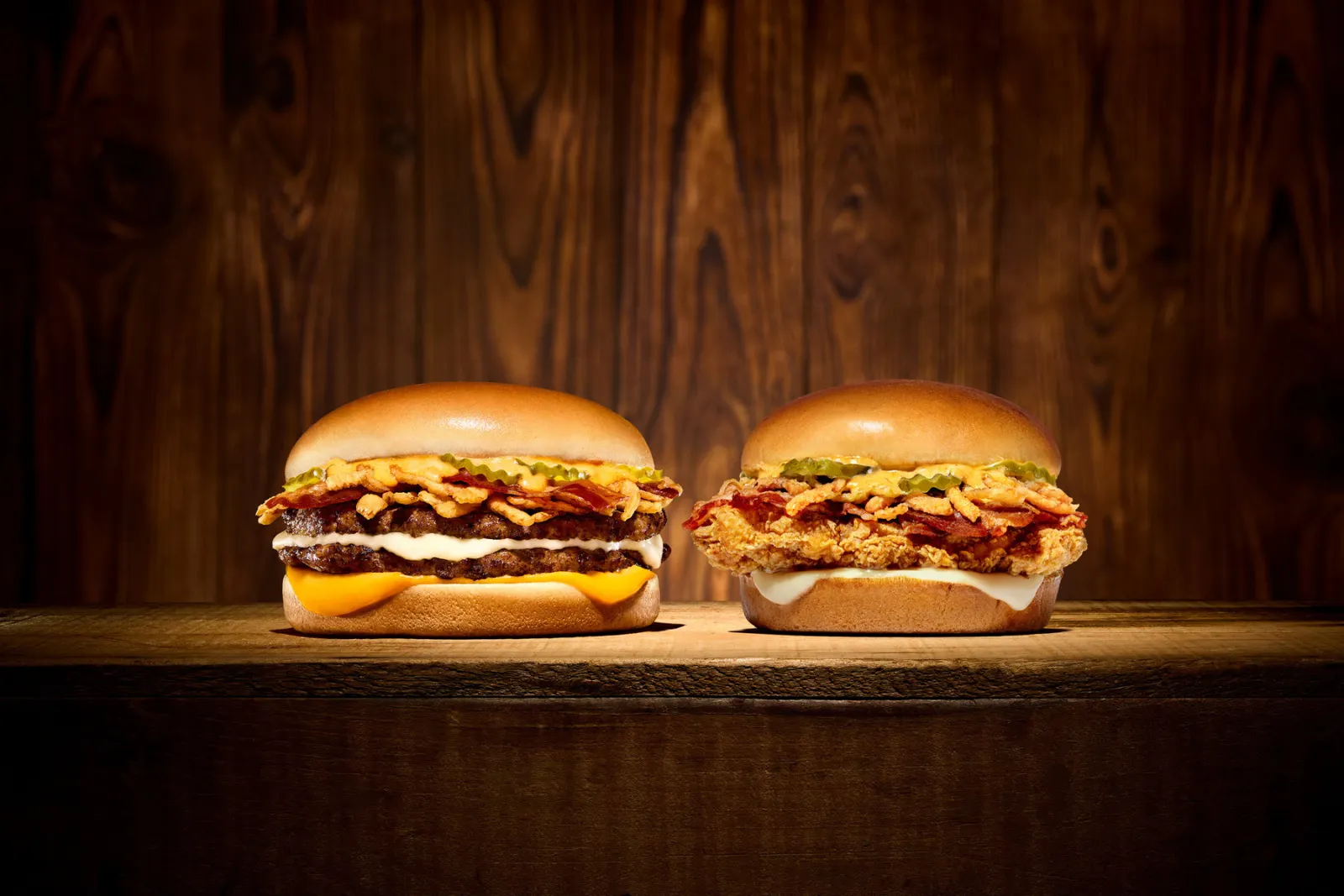
That focus on innovation is evident in the chain’s chicken menu developments this year, such as the Hot Honey Crisp Whatachick’n Sandwich and the Bacon Wrangler Chicken.
The quality requirements are the same in the sourcing of poultry. Huetinck said the chicken tenders at Whataburger are made from tenderloins, not breast meat cut into small pieces, which speaks to the company’s focus on the ingredients and preparation behind its products.
Value menus based on existing products
Whataburger’s cost control efforts also include its pricing strategy. The company rolled out its More for $4 menu during the summer that relied on collaboration between its supply chain, marketing and finance teams.
The teams took into account what consumers wanted in budget meals, reviewed current ingredient costs, and estimated future costs before choosing products that could be sold for $4 without compromising quality or profitability.
But instead of altering ingredients or specs to make cheaper options, the chain went with items it already had on its menu.
“These aren’t new value-engineered menu items,” Huetinck said. “These are our original premium menu items.”
This is an example of how decisions on buying can impact the price of the menu. Whataburger wants to look at ingredient costs and the future market to provide customers with more affordable options all while maintaining its established product standards and margins.
International sourcing expands beyond food
Although Whataburger continues to obtain 100% of its food products from suppliers in North America, Huetinck has widened the company’s supplier network for non-food purchases.
These categories include staff uniform textiles, food packaging and indirect materials such as restaurant equipment and construction supplies. For these products, international markets can offer capabilities and innovation that the company may not find to the same extent within North America.
Huetinck said the level of innovation and available capabilities for indirect products can be greater outside the region, providing another reason to diversify the supply base.
The broader network has also helped Whataburger manage tariff exposure. According to Huetinck, the company experienced a very limited impact from tariffs because it worked proactively with suppliers to obtain products from manufacturing facilities in countries not affected by the measures.
Whataburger also maintained safety stocks of products in the United States, reducing its exposure to sudden disruptions in international sourcing.
“We were never in a just-in-time situation when the tariffs were at their peaks,” Huetinck said.
This combination of alternative sourcing and inventory buffers gave the company additional flexibility when trade measures threatened to increase costs or disrupt deliveries.
Transportation pointed out by diesel prices
Supply chain leaders are still concerned about costly diesel fuel and trucking, beyond food inflation and tariffs. Transportation costs can quickly eat up procurement savings, especially when products have to travel long distances between warehouses and restaurants.
Whataburger has some flexibility in the way they move certain ingredients around. For example, for French fries it is rail or truck transport. The product is durable, it comes from the Pacific Northwest and it can utilize existing rail infrastructure, so the company can change its modes of transportation when the situation dictates.
But Huetinck said only a limited number of ingredients are as flexible across modes of transport.
The company considers how far products need to travel from distribution warehouses to each individual restaurant if trucking costs soar. It then examines the potential for short-term repositioning of freight to reduce truck miles and contain costs.
These changes are a practical response to volatile fuel prices, but Huetinck said that supply chain management should not be dominated by immediate operational problems.
Strategic planning remains important, despite daily disruptions
Huetinck’s challenge is to manage the short-term costs while keeping an eye on the opportunities to improve the supply chain over time. He warned that “a hyper-focus on short-term problems can create a pretty dangerous death cycle.”
He has a green ping-pong paddle in the office as a reminder to think longer term. When it’s present, the conversation becomes about creative ideas, strategic initiatives that could move the supply chain forward, not the daily problems that demand immediate attention.
This practice offers an easy way to guard time for innovation in a world where the unexpected is inevitable.
Huetinck intentionally carves time out for this type of strategic thinking, knowing that operational fires will always flare up in supply chain management.
For Whataburger, the company is working to bolster resilience through things like supplier diversification, closer relationships with beef processors, international sourcing for non-food items and more flexible freight decisions. The challenge is to convert those measures into lasting advantages while still delivering the food quality customers expect.
With inflation, tariffs and transportation costs still weighing on restaurant operators, Whataburger’s approach shows how procurement strategy and operational planning can work together to create growth while maintaining quality at the expense of cost control.