



Yum! Brands Prioritizes Long-Term Supplier Partnerships
Yum! Brands is placing greater emphasis on strategic supplier relationships as it looks to strengthen its supply chain, respond to disruptions and support the evolving needs of its restaurant brands.
Around 18 months after becoming the company’s first chief supply chain officer, Eric Craft is leading efforts to establish deeper, more mature partnerships with suppliers. The objective is to ensure that the right supply base is already in place before restaurants need additional products or capacity, he told Supply Chain Dive in an interview.
Yum! Brands operates KFC, Taco Bell and Habit Burger & Grill, with more than 44,000 restaurants across 151 countries and territories. Its franchisees open a new location approximately every three hours, creating substantial and continuous demands on its global supply network.
At that scale, supplier selection is critical. Yum! must ensure that its partners meet the required product specifications while consistently delivering the quality, quantities and production capacity each restaurant needs. Customers should receive a comparable experience whether they visit Taco Bell in Malaysia or the United States, Craft explained.
However, consistency is only part of the equation. Yum! also wants to be regarded as a preferred customer and an innovation partner. Craft considers this increasingly important as competition for supplier capacity intensifies.
When a strategic supplier plans to expand its operations, Yum! aims to be among the customers considered first. The company wants partners that are just as engaged in its success as its own teams are.
A Unified Supply Chain for Three Brands
One of the principal reasons Yum! created the company-wide chief supply chain officer role was to align its procurement and supply chain activities. Instead of working with suppliers one by one through KFC, Taco Bell and Habit Burger & Grill, the group will be able to negotiate and work together as one unit.
Craft took over the role in 2025 after serving as KFC’s global chief supply chain officer. At the time, the conversations around supply chain strategy were largely about achieving scale.
Since then the company’s priorities have shifted. Scale still matters, but Yum! is more and more seeing it as a way to better restaurant economics, rather than an end in itself.
The group pools purchasing power to achieve supply chain efficiencies that help franchisees increase their revenue and reinvest in their restaurants.
The financial health of its brands is a barometer of the company’s growth path. Yum! Brands had a 12% year-over-year increase in revenue in the second quarter of 2026. KFC revenue rose 9 percent, Taco Bell revenue rose 20 percent.
The unified operating model is also flexible when the group’s portfolio changes. Craft said that when Yum! sold Pizza Hut for $2.7 billion in 2026, the supply chain organization didn’t need to make a major strategic shift.
The sale has made some changes to the purchase requirements, including the removal of pizza dough from the purchase requirements. Other than those changes, the main strategy remained more or less intact, allowing the organization to make adjustments to their operations as needed.
This approach combines the benefits of group-level operations with the brand-specific and regional needs. “Yum! can adapt its model for specific regions or restaurant brands when it needs to, but still use the scale of the wider organization when that’s most valuable,” said Craft.
Balancing Group Purchasing Power and Local Flexibility
Shared ingredients are one of the clearest opportunities to capture supply chain efficiencies. If all three brands need the same product, such as poultry, Yum! may use the total volumes of its purchases to obtain the supply and distribute it among the three brands.
However, common ingredients do not necessarily mean common purchasing requirements. Each restaurant concept has its own menu specifications and those differences must be reflected in the sourcing decisions.
KFC, for example, is working on a turnaround that includes more focus on boneless chicken products and tenders made for dipping and snacking. Even when the underlying ingredient category is unchanged, these changes affect the specifications and quantities required from suppliers.
Also the requirements may differ from market to market. In such cases, Yum! works with local and regional suppliers who are able to meet the needs of each restaurant location.
Those partnerships have another function, too: they offer alternatives when established supply routes are disrupted.
Severe weather may close a port. Transportation networks may reroute because of geopolitical conflict. Yum! can temporarily boost orders from local suppliers to help maintain continuity when these events disrupt normal deliveries.
“We can’t predict every disruption, but our network has strategic partners that can change and adapt with Yum! as the situation evolves,” Craft said. This flexibility, together with the scale benefits of its global supply base, allows the business to respond to unexpected challenges.
Supplier Collaboration as a Part of Menu Innovation
Yum! has worked with its suppliers to create seasonal and limited-time menu items. The key is to coordinate early, because these launches can involve changes in ingredient sourcing, packaging requirements and production capacity.
A recent example: Taco Bell’s launch in September of Gordita Crunch Duos, a snack-sized version of its popular Cheesy Gordita Crunch.
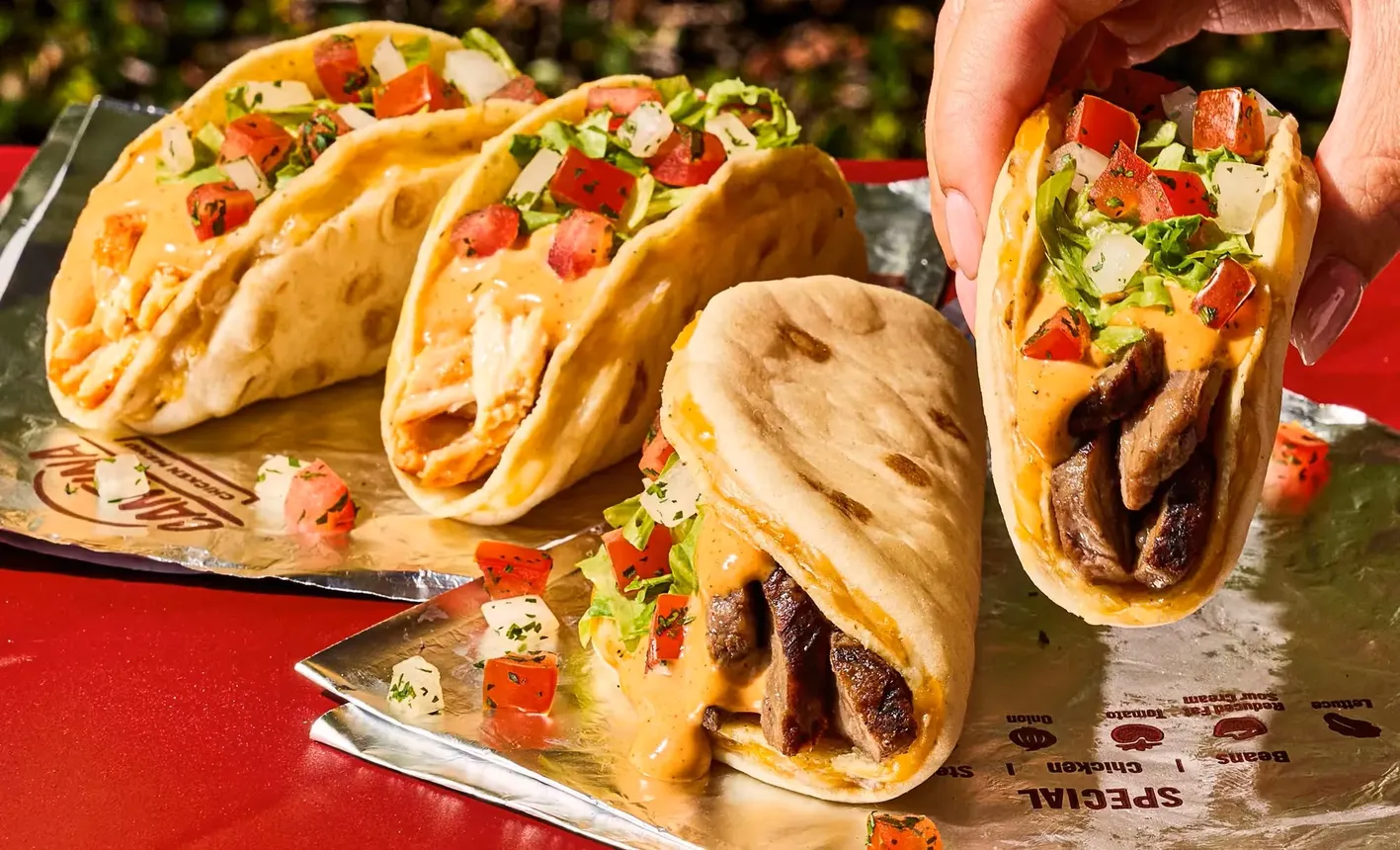
Before launching an offering of this kind, Yum! gathers its internal teams around innovation, food safety, marketing and supply chain to talk about the product and what it takes to make it.
Then the company talks with their food and packaging suppliers and issues a purchase order. This provides partners with early insight into the concept and what the business is trying to achieve.
So it’s not really supposed to be like a buying process. It’s more supposed to be an open, back-and-forth conversation. Where appropriate suppliers can suggest alternative approaches or new ideas and identify any potential restrictions in relation to production capacity or availability of ingredients.
By engaging with suppliers earlier, Yum! can identify potential stumbling blocks early in the development process to help prevent those stumbling blocks from becoming operational problems. It also enables suppliers to bring their expertise to the product development.
This is a big change in how the company engages its supply base for Craft. Yum! wants suppliers to know its goals and be part of solutions, not just fill orders against specs.
The broader strategy includes a series of priorities: the purchasing power of a global restaurant group, the agility of local and regional suppliers, and deeper collaboration on new products. Yum! is trying to build relationships before problems arise so it can build a supply chain that can help its restaurants as demand, menus and operating conditions change.