



Food and beverage executives gave investors an inside look at their latest supply chain strategies during the Barclays Global Consumer Staples Conference in early September.
Executives from Celsius Holdings, Constellation Brands, General Mills, McCormick & Co., Mondelēz International and Nestlé discussed how their companies are responding to a wide range of operational pressures. Despite differences in their businesses, all six are pursuing a common objective: reducing costs while making their operations more efficient, including across their supply chains.
Constellation Brands, for example, remains on track to deliver $200 million in savings by the end of fiscal 2028, supported in part by what it described as greater discipline across its supply chain. McCormick & Co. expects procurement savings of $240 million following its merger with Unilever Foods, while Nestlé is reducing underperforming products and SKUs in China.
Here is how the six companies are using supply chain initiatives to support broader business performance.
Constellation targets $200 million in supply chain savings
Constellation Brands remains on track to achieve its projected $200 million in cost savings by fiscal 2028, which begins March 1, 2027, EVP and CFO Garth Hankinson said.
The beer, wine and spirits producer has already generated more than $600 million in savings across procurement, logistics and operations since 2023 by taking an end-to-end approach to its supply chain.
“We’re building real discipline and muscle in that space,” Hankinson said, adding that the company expects meaningful cost-saving initiatives to continue in each year ahead.
The company is nevertheless facing unexpected inflationary pressures that are expected to weigh on margins during the second half of the current fiscal year.
One of the most significant challenges is the imbalance between supply and demand in trucking, Hankinson said. Broader macroeconomic conditions have also pushed commodity prices higher, creating additional pressure on gross profit margins during the second half of the fiscal year.
McCormick looks to procurement for savings
For McCormick & Co., procurement is expected to provide a major portion of the savings planned following its $44.8 billion merger with Unilever’s food business.
The company expects lower procurement costs to represent 40% of the $600 million in recurring annual expense reductions it forecasts over the three years following completion of the transaction. McCormick and Unilever had previously indicated that the deal was expected to close in mid-2027.
That translates into approximately $240 million in run-rate savings from inputs used directly in products and packaging, EVP and CFO Marcos Gabriel said.
There is already substantial overlap among suppliers. Gabriel noted that roughly 50% of the companies’ top 100 suppliers are shared, while inefficiencies remain within long-tail spending.
The combined business will be able to use its greater purchasing scale to “buy smarter and more consistently,” Gabriel said. It can also standardize comparable ingredients, materials and product specifications across the merged organization.
Celsius works to bring freight rates closer together
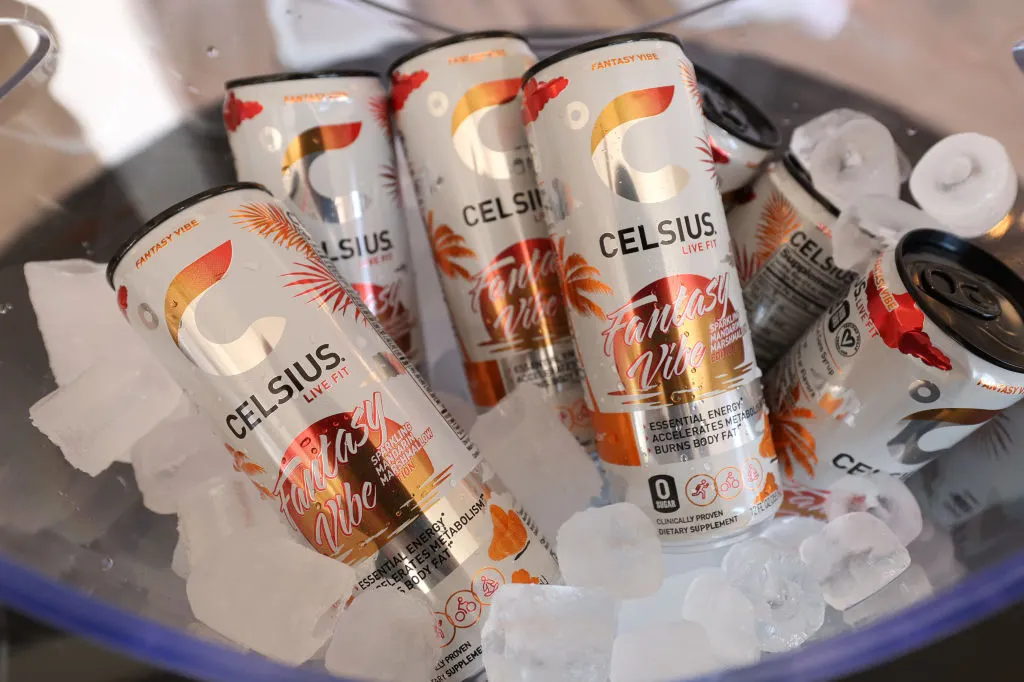
Celsius Holdings completed the integration of its 2025 acquisitions, Alani Nu and Rockstar Energy, into its supply chain during the first half of 2026, CFO Jarrod Langhans said.
The next priority is to optimize the resulting cost structure, including freight costs on a per-case basis.
Freight rates for Alani and Rockstar are currently higher than those for Celsius’ namesake energy drink. The company is therefore working to create greater consistency across its freight rates by reducing what Langhans described as “out-of-orbit” and cross-country transportation.
Celsius is also looking for opportunities to improve freight rates associated with its core Celsius brand.
General Mills expands AI across its supply chain
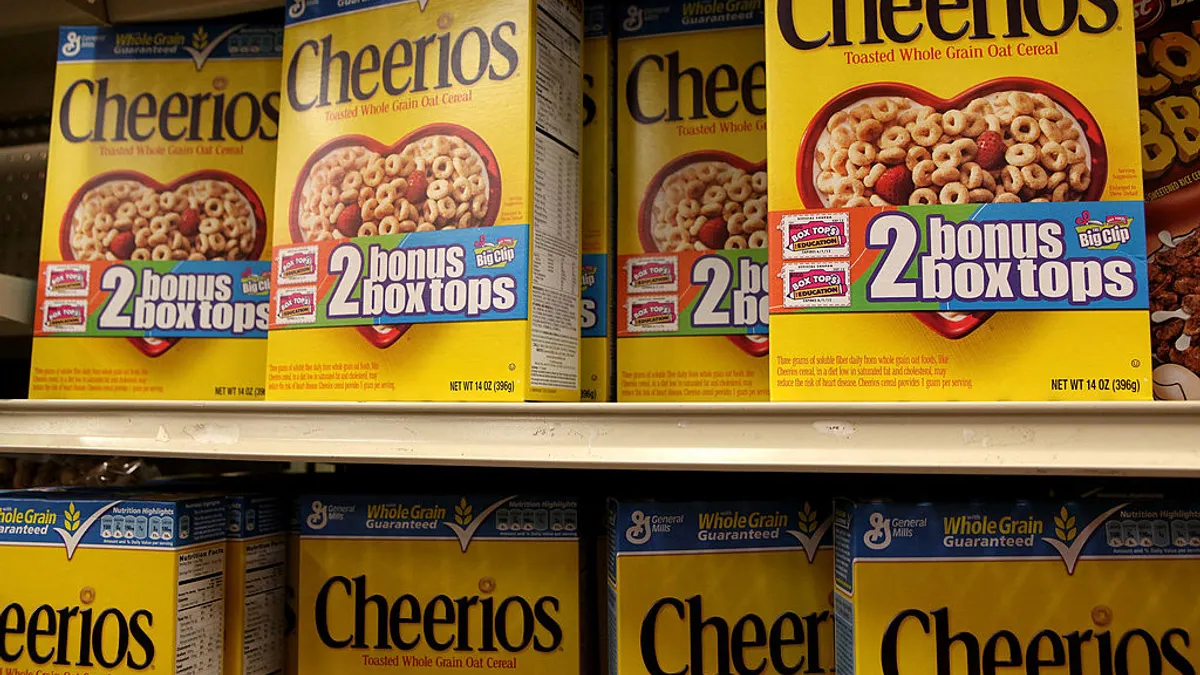
General Mills is expanding its use of artificial intelligence across demand forecasting, logistics planning and manufacturing optimization as it adjusts the size and structure of its supply chain to support future growth, COO Dana McNabb said.
The company has previously said its continuing supply chain transformation is expected to generate $1 billion in savings by 2030. The savings are expected to come from business process improvements as well as new approaches to technology and operating models.
The company is simultaneously dealing with a sharp increase in logistics costs. CEO Jeffrey Harmening said logistics costs have risen 40% compared with a year earlier.
That increase, however, is concentrated in spot rates, which represent approximately 7% of General Mills’ freight.
Nestlé cuts SKUs and consolidates distributors in China
Nestlé expanded its SKU count in China over the past year as it pursued innovation in what remains a fast-moving market.
That strategy left the company with a proliferation of product options. The company has since started pulling back, removing underperforming products and SKUs from its system and consolidating distributors in areas where too many are operating, EVP and CFO Anna Manz said.
“We haven’t done a good enough job of driving the consumer pull,” Manz said.
As part of the response, Nestlé has revisited its route to market over the past year.
The changes come as the company also deals with declining category market share in China. Manz said it will take time to move from a situation of losing share to consistently maintaining share and eventually outperforming its categories.
Mondelēz sees cocoa market stabilize after years of volatility
Mondelēz International reported that the cocoa market has stabilized following several years of volatility.
The sharp swings in cocoa prices had previously pushed the company to adjust its product mix toward items that rely less heavily on the key raw material.
The current market picture is considerably different. Cocoa is now oversupplied, and production accumulated over the past couple of years is more than sufficient to cover the deficit that had previously depleted stocks, EVP and COO Luca Zaramella said.
Zaramella also pointed to stronger supply growth in several countries outside Africa, with many markets recording double-digit increases.
“When you look at supply and demand,” he said, the cocoa market is entering the coming years in a substantially different and better position.
For the six food and beverage manufacturers, the discussions at the Barclays conference highlighted how supply chains are becoming a central lever for managing costs and protecting business performance. Procurement, freight, artificial intelligence, product rationalization, distribution networks and commodity sourcing are all being adjusted as companies respond to changing market conditions.