




Portugal continues to strengthen its position within international supply chains, supported by both growing trade flows and the rising importance of its transport and port infrastructure. According to AICEP, Portuguese goods exports reached €78.895 billion in 2024, up 2% year on year, while imports also increased by 2% to €107.243 billion. 
In that environment, freight forwarders able to offer flexible, multimodal and responsive solutions are gaining strategic importance. The Port of Sines, one of the country’s key logistics gateways, continues to report solid traffic activity and remains a major entry and exit point for Portuguese and international cargo flows. 
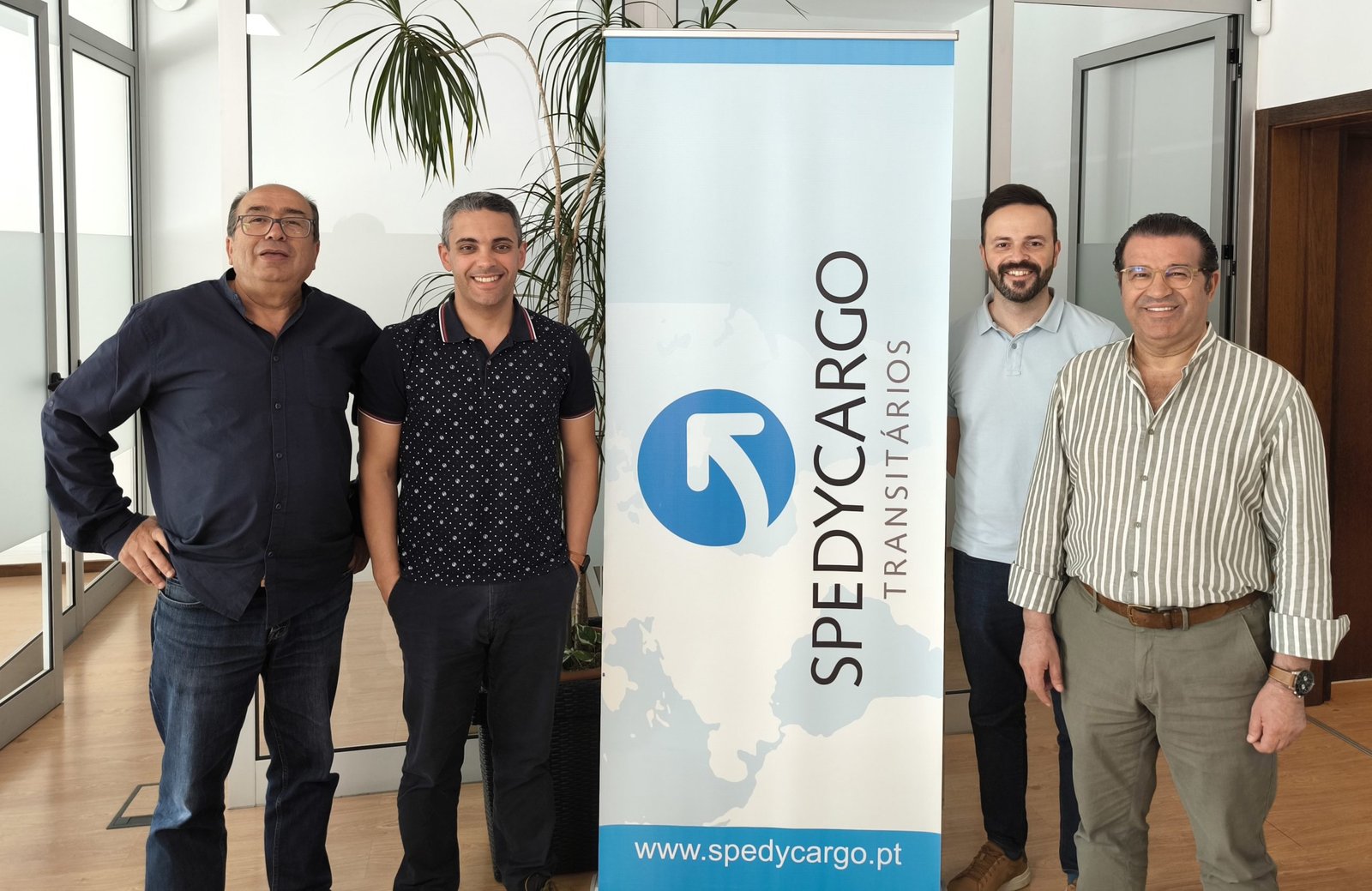
It is within this framework that SPEDYCARGO TRANSITÁRIOS, S.A. operates. According to its official website, the Portuguese freight forwarding company was established in January 2004 and positions itself as a specialist built on staff expertise, global business partnerships and an understanding of both domestic and international market requirements. 
The company presents a service portfolio spanning air, sea and road freight, along with customs brokerage, logistics & storage, and fairs & events, reflecting a broad operational scope designed to respond to different customer needs. 
Its footprint also supports that positioning. Publicly available listings show SPEDYCARGO headquartered in Maia, near Porto, with a branch office at Lisbon Airport, giving the company access to two important logistics points in the Portuguese market. Those same sources identify Emídio Moutinho as the company’s Managing Director. 
Beyond its domestic presence, SPEDYCARGO states that it works through a global logistics network to provide rapid and effective responses to current and future customer challenges. At a time when shippers are demanding greater visibility, coordination and continuity, that model aligns closely with how freight forwarding expectations are evolving.