



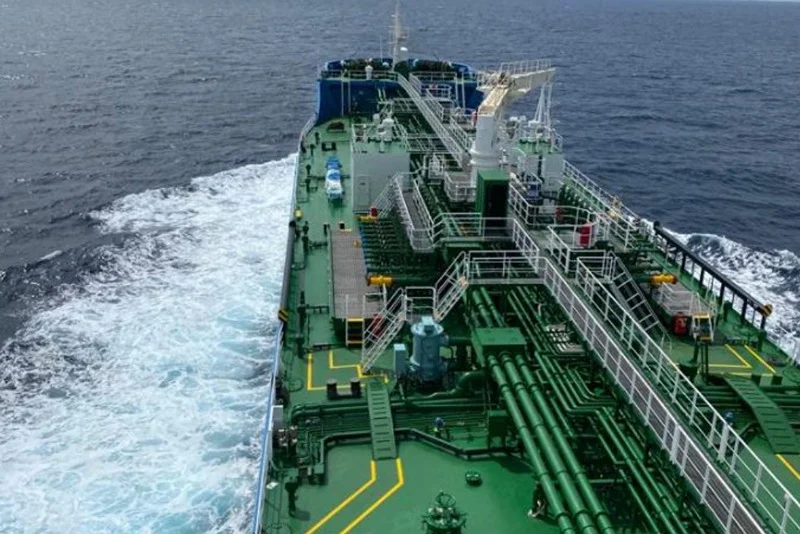
BW LPG has agreed to sell one of its older very large gas carriers (VLGCs) as part of its ongoing strategy to modernise its fleet while taking advantage of strong prices in the second-hand vessel market.
The vessel, BW Elm, is owned by BW LPG India, a subsidiary in which BW LPG holds a 53% stake. Built in 2007, the ship will continue operating under its new owner after delivery, which is expected by mid-August.
The company estimates the transaction will generate a net book gain of around $36 million and deliver approximately $64 million in net cash proceeds on a 100% ownership basis.
BW LPG CEO Kristian Sørensen said the sale demonstrates the company’s strategy of creating value by selling older vessels when market conditions are favourable while simultaneously investing in newer, more efficient ships.
He noted that the price achieved for BW Elm is equivalent to the cost of a newbuilding valued at roughly $248 million, highlighting the continued strength of the second-hand VLGC market.
Following the sale, BW LPG’s fleet will consist of 51 vessels, including owned, operated and bareboat chartered ships. BW Elm was one of eight vessels operated under BW LPG India and, alongside BW Birch, was among the oldest ships in that fleet.
The only older vessels remaining across the wider BW LPG fleet are the chartered-in Berge Nantong and Berge Ningbo, both built in 2006.
The sale comes just weeks after BW LPG placed a major order for eight new 90,000-cubic-metre Panamax VLGCs at Hyundai Heavy Industries.
Valued at $940 million, the order represents one of the company’s largest fleet investments in recent years. Deliveries are scheduled to begin in early 2029 and continue through the first half of 2030.
According to BW LPG’s second-quarter results released in June, the global VLGC fleet currently numbers 429 vessels, while another 130 ships are on order.
The company also pointed out that more than 9% of the existing global fleet is at least 25 years old, suggesting that demand for replacement vessels is likely to remain strong over the coming years.
With deliveries from major shipyards largely unavailable before 2029, BW LPG appears to be positioning itself early for the next phase of fleet renewal while taking advantage of favourable market conditions to optimise its existing portfolio.