



US cargo carrier 21 Air is preparing to move into the large freighter segment with Boeing 777 aircraft as part of a broader plan to access more lucrative long-haul markets, while Canadian investor Cargojet exits its shareholding in the airline.
Jim Crane, owner of 21 Air and founder of Crane Worldwide Logistics, said the company has appointed Keith Winters as interim chief executive to lead the airline through the next stage of development. Winters succeeds Tim Strauss, whose two-year contract expired in February. Strauss has remained with the company in a consulting role through June.
Crane said the leadership change was not driven by Cargojet, rejecting industry speculation that the Canadian carrier had exerted pressure because of its 25% holding. He insisted he retains control of the airline and said he does not structure deals unless he has that control.
Cargojet is selling its stake, Crane said, because it wants to avoid giving its pilots’ union additional leverage during negotiations over a new labour contract, which expires in June. The Air Line Pilots Association has long scrutinised the relationship between the two carriers, particularly around aircraft arrangements that it argues could sidestep restrictions on foreign operators flying domestic routes in the US.
Crane said the FAA has approved his purchase of Cargojet’s stake and that the transaction should close soon. Going forward, 21 Air and Cargojet will continue working together on a more conventional transactional basis, including consulting support, simulator training and standard leasing arrangements.
He added that Cargojet does not have managers seconded into 21 Air, while noting that former Cargojet executive Luis Fernando Alvarado was hired after the acquisition and promoted to chief operating officer in February.
Winters, who previously led Crane Worldwide Logistics and has more than 35 years of logistics experience, is now tasked with strengthening the executive team and preparing the airline for what Crane described as an accelerated growth phase.
When Crane acquired 21 Air in 2021, the airline operated four or five freighters. It now has a fleet of 16 aircraft, including seven Boeing 767-300 converted freighters flying e-commerce packages within Amazon’s domestic air network. According to Crane, Strauss played a key role in bringing Amazon on board as a customer in late 2024.
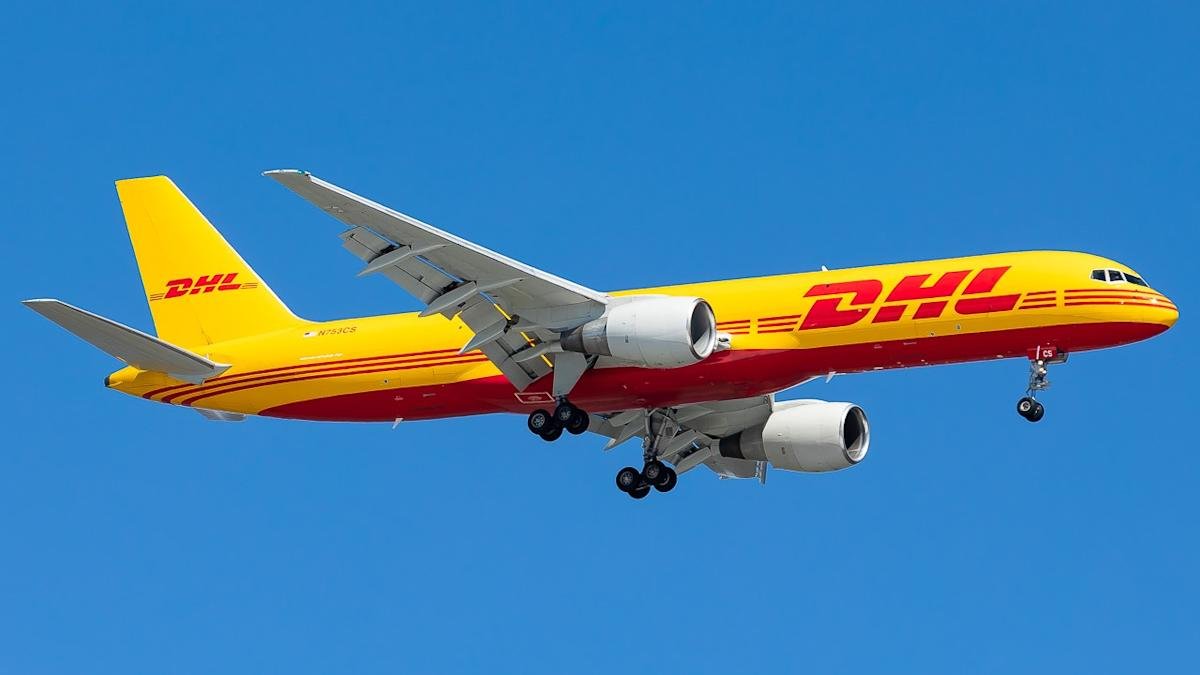
The fleet also includes four 767-300s, two 767-200s and three 757-200s recently added for DHL, Cargojet and other customers. Three more 757 aircraft are expected shortly. Of the six freighters in that segment, five are supplied by DHL and one by Cargojet.
Crane said 21 Air sees a major opportunity in larger freighters and international flying, arguing that major express customers increasingly prefer agile privately owned operators over airlines controlled by private equity. He suggested his company’s decision-making structure allows it to move faster and respond more directly to customer needs.
The airline now plans to add Boeing 777 freighters to its operating certificate, ideally by the end of 2026. Crane said revenues from the 777 could be roughly three times those generated by the aircraft currently in service, particularly because the type is suited to longer routes with more billable hours.
He said 21 Air could source the aircraft from multiple channels. DHL, which has committed to nine 777-200 passenger-to-freighter conversions with Mammoth Freighters, may choose to sublease some aircraft to 21 Air. The company could also lease factory-built freighters or converted 777s from the wider market.
Before operating the new type commercially, 21 Air will need to complete a full FAA certification process, including manual revisions, training updates, maintenance procedures, inspections, proving flights and compliance checks under its safety management system. Pilot recruitment and training will also be required before the aircraft can enter service.