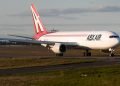




Lufthansa Cargo has transported two trained sniffer dogs to South Africa as part of the “Rettet das Nashorn” (Save the Rhino) wildlife initiative, reinforcing efforts to combat poaching and illegal wildlife trafficking.
The mission highlights the airline’s ongoing role in conservation logistics, using specialist animal transportation expertise to move highly trained working dogs to regions where they are urgently needed.
Lufthansa Cargo said the operation demonstrates that logistics is about more than moving freight. By transporting sniffer dogs, the airline helps enable frontline anti-poaching teams and supports the protection of endangered species.
The movement was carried out in partnership with AnimalLogistics FRA GmbH, using Lufthansa Cargo’s dedicated live-animal transport capabilities.
Despite strike-related disruptions, the coordinated operation enabled both passengers and dogs to arrive in South Africa one day earlier than planned. The dogs have already joined their new unit and are ready for deployment.
When a dog from the Save the Rhino programme departs Frankfurt, it is not considered a routine shipment, but the beginning of a mission. The destination is South Africa, where ranger units operate in remote areas to fight wildlife crime.
The trained dogs are used to detect illegal wildlife products including rhino horn, ivory, pangolin scales, as well as weapons and ammunition.
The programme is led by dog trainer Perdita Lübbe-Scheuermann and responds to the ongoing pressure on endangered species. In South Africa, a rhino is reportedly killed approximately every 20 hours. Rhino populations have declined from more than 22,000 in 2012 to around 13,000 today.
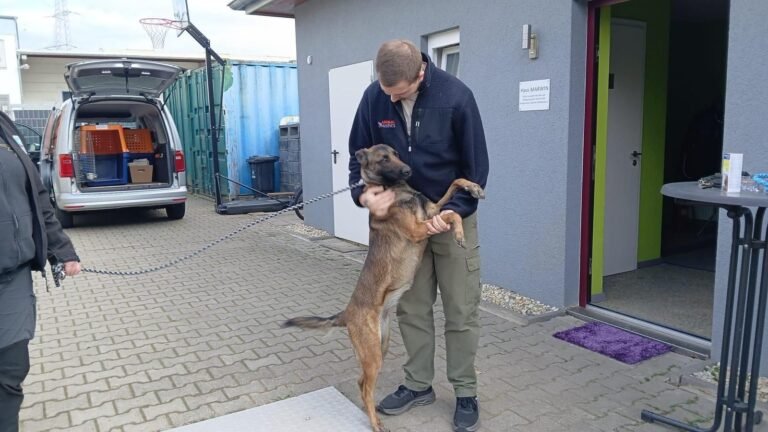
The dogs are sourced from rescue shelters, including the Viernheim shelter in Germany. Selected for their strong sense of smell and high energy levels, breeds include Belgian Malinois, German Shepherds and mixed breeds.
Training is focused on detection work rather than protection tasks, reducing the risk of direct confrontation in the field.
Before departure, the animals must complete vaccinations, blood tests and receive official veterinary health certification within strict timeframes.
The dogs travel in dedicated transport containers under IATA Live Animals Regulations and wildlife trade compliance standards.
At Frankfurt, they pass through Lufthansa Cargo’s Animal Lounge, a 4,000-square-metre specialist facility for live-animal handling, veterinary care and transit coordination.