



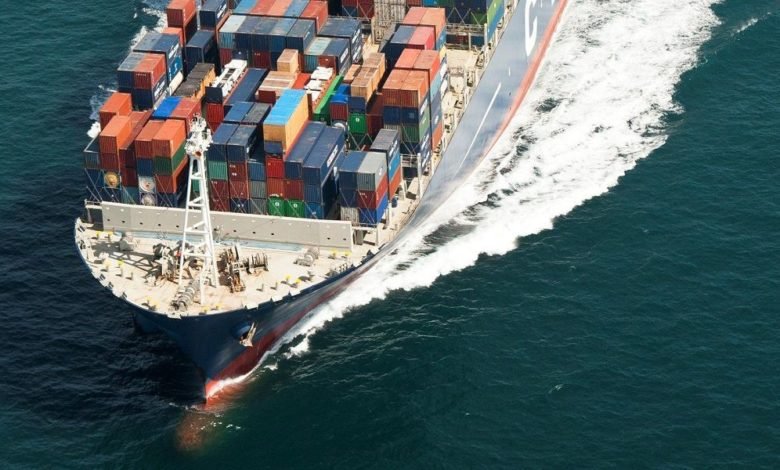
In a landmark strategic shift, Global Ship Lease has entered the newbuilding market for the first time in its history, committing approximately $917 million to the construction of 10 new containerships as it prepares to modernise its fleet for the next generation of container shipping trades.
The Athens-based company announced that it has signed individual contracts for 10 mid-sized, ultra-high-reefer, wide-beam boxships, with deliveries scheduled between the fourth quarter of 2028 and the first quarter of 2030.
All vessels secured on long-term charters
A key feature of the programme is that every vessel has already secured multi-year charter employment prior to delivery, significantly reducing commercial risk.
According to the company, the charter agreements carry a TEU-weighted average duration of 6.7 years and are expected to generate approximately $665 million in aggregate adjusted EBITDA during their initial charter periods.
The strategy reflects Global Ship Lease’s long-standing focus on securing predictable earnings while maintaining exposure to future market opportunities.
A major departure from its traditional model
The order represents a significant evolution for the company, which has historically built its business through the acquisition of secondhand vessels rather than commissioning ships directly from shipyards.
Under the leadership of Executive Chairman George Youroukos, Global Ship Lease has traditionally focused on purchasing and chartering existing tonnage. This latest investment signals a more proactive approach to fleet renewal and long-term asset planning.
Although the company did not disclose the shipyard or detailed vessel specifications, several shipbuilding sources indicated earlier this year that Global Ship Lease had commissioned China’s Taizhou Sanfu Ship Engineering to construct eight conventionally fuelled 6,200-TEU containerships.
Designed for the future of container shipping
George Youroukos said the vessels have been specifically designed to meet the changing operational needs of liner companies while maintaining flexibility across evolving global trade patterns.
“We are pleased to have agreed attractive terms for these best-in-class vessels, which we expect to be the workhorses of global container shipping for many years to come, ensuring that our existing ‘cash cows’ are successfully replaced as they begin to age out,” he said.
He also noted that securing long-term charter coverage before delivery remains fully aligned with the company’s strategy of limiting downside risk while preserving future upside potential.
Backed by a strong financial position
Global Ship Lease currently operates a fleet of approximately 70 containerships and enters this expansion phase from a position of financial strength.
The company highlighted that its charter backlog currently stands at roughly $2.1 billion, supported by an average remaining charter duration of 2.6 years. Management indicated that this backlog, combined with the company’s balance sheet strength, provides the foundation for undertaking its first major newbuilding programme.
Fleet renewal strategy takes shape
With deliveries stretching through 2030, the order marks the beginning of a long-term fleet renewal strategy aimed at replacing older vessels while ensuring continued relevance in a container shipping market increasingly focused on efficiency, flexibility and cargo-specialised capabilities.
For Global Ship Lease, the move represents more than a simple fleet expansion. It signals the company’s transition from a pure secondhand tonnage investor to a player willing to shape its future fleet through direct participation in the global shipbuilding market.