



As hopes rise following the agreement between the United States and Iran to end months of conflict, tanker owners are warning that the safe reopening of the Strait of Hormuz will depend on one critical task above all others: mine clearance.
The International Association of Independent Tanker Owners (Intertanko) has called for urgent clarification on the process that will allow commercial vessels to safely navigate one of the world’s most strategically important maritime corridors.
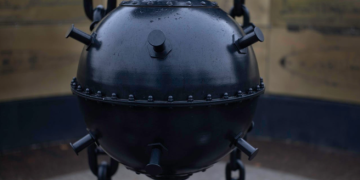
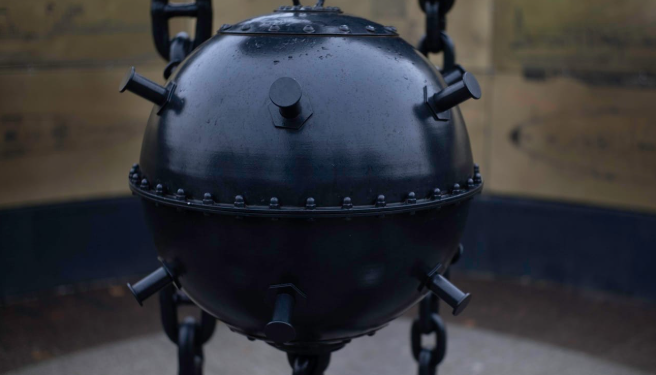
During the conflict, Iran warned that mines had been placed within the internationally recognised Traffic Separation Scheme (TSS) in the Strait of Hormuz. As a result, vessel movements were largely redirected through two alternative routes: a southern corridor near Oman overseen by US authorities and a northern route authorised by Iran.
According to Intertanko, restoring the main TSS must be the first priority.
“First and foremost, clearing the main internationally recognised Traffic Separation Scheme of all mine threats must be a priority,” the association stated. It added that once the route is confirmed safe, governments involved in the agreement must provide the shipping industry with a clear and unequivocal declaration that navigation can resume without risk.
Until that point is reached, shipping activity is expected to continue using the temporary northern and southern routes. However, tanker operators insist that authorities must also verify the safety of these corridors and guarantee that vessels transiting them will not face attacks or security threats.
Intertanko believes the reopening process should be managed in two distinct phases. The first phase will be used to maintain temporary routes while mine-clearing is carried out. Once the TSS is fully secured, shipping traffic would progressively return to the internationally recognised navigation lanes, and the temporary routes would be withdrawn.
The association also stressed the need for a dedicated command-and-control system to manage vessel movements during the transition period.
The Gulf region is currently holding some 550 ships waiting to depart, and about 60 vessels are projected to pass through the Strait daily, with existing alternative routes considered inadequate to handle the expected traffic volume.
To prevent congestion and ensure safety, Intertanko is recommending the creation of a central coordination mechanism that would provide shipowners with a single point of contact, manage transit slots, clarify reporting procedures and improve traffic flow management. The organisation also advocates widening the temporary lanes, moving southern routes further offshore and creating greater separation between opposing traffic streams.
Despite the signing of the peace agreement, the tanker industry remains cautious.
Intertanko Managing Director Tim Wilkins said many shipowners are unlikely to rush back into the Strait until operational and security questions are fully resolved.
“Without clarity on these issues, ships will be unsure whether to transit the Strait of Hormuz. Some ships will, of course, start to move. That will be natural. But shipowners have adopted a very cautious approach,” Wilkins explained.
He emphasised that protecting seafarers remains the industry’s highest priority and warned against any premature return to normal operations before safety conditions are fully established.
“The safety and security of seafarers have been uppermost in their minds, and no one wishes to jeopardise that safety-first approach when things appear to be moving in the right direction,” he added.
Wilkins also reminded governments of the importance of the Traffic Separation Scheme itself, noting that the internationally recognised navigation system was introduced in 1968 specifically to reduce navigational risks for deep-sea commercial vessels and improve maritime safety.
While the Iran-US agreement has opened the door to a gradual recovery of shipping activity in the Gulf, Intertanko’s message is clear: before trade flows can fully resume, mine threats must be eliminated, traffic management systems established and shipowners given the confidence that the Strait of Hormuz is once again safe for international navigation.
- Latest
- Trending
ADVERTISEMENT