




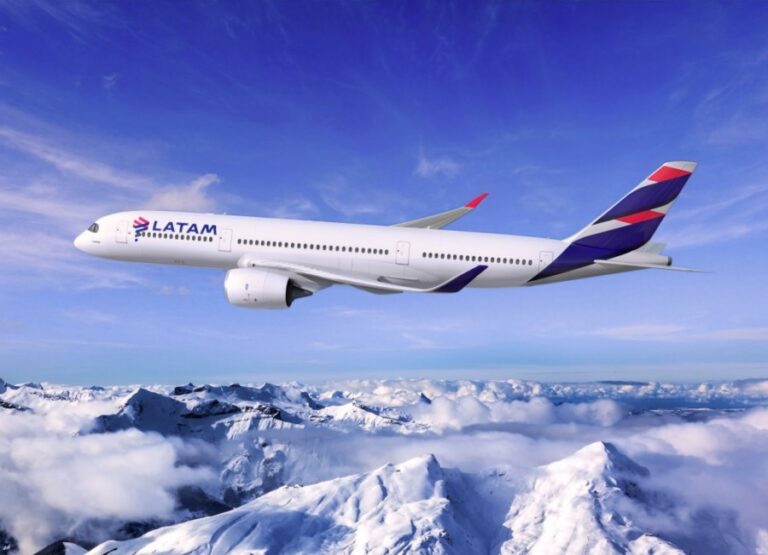
LATAM Airlines Group has completed its first passenger charter operation linked to the use of Sustainable Aviation Fuel (SAF), marking a new step in the airline’s decarbonization strategy and its collaboration with customers on emissions reduction initiatives.
The operation was carried out in collaboration with French luxury expedition company PONANT and consisted of 13 passenger charter flights between Santiago, Chile and Ushuaia, Argentina. The project enabled the reduction of around 160 tonnes of CO2 emissions associated with the flights through the supply of 22,400 gallons of SAF.
This is the first time LATAM has linked emissions reductions to jointly developed passenger charter operations with a customer, signaling a shift toward more collaborative sustainability models in aviation.
The SAF was allocated using the Book-and-Claim chain-of-custody system, allowing the environmental benefits of the fuel to be attributed to the flights without requiring physical blending on each specific aircraft.
LATAM said the project forms part of its broader climate strategy, which targets net-zero emissions by 2050. The plan is based on a combination of fleet modernization, operational efficiency improvements, SAF adoption and carbon offsetting, with a preference for nature-based solutions in key South American ecosystems.
Emissions reductions for the operation were calculated in line with ICAO’s CORSIA methodology, comparing conventional Jet A-1 fuel emissions with those generated using SAF.
The SAF used in the project was Neste MY SAF™, produced from renewable raw materials and delivering a lifecycle emissions reduction of 74.72% compared with conventional jet fuel.
PONANT’s CSR and Sustainable Development Director, Wassim Daoud, said the collaboration reflects a shared commitment to more sustainable tourism and supports the development of solutions that can help decarbonize transport while maintaining exploration experiences with reduced environmental impact.
The initiative reinforces growing industry momentum around SAF adoption as airlines and customers increasingly collaborate to reduce aviation’s carbon footprint.
- Latest
- Trending
ADVERTISEMENT