



Canada is preparing for a major expansion of its nuclear sector, with Energy Minister Tim Hodgson announcing a strategy that envisions building up to 10 new nuclear reactors over the next 15 years, alongside efforts to increase Candu reactor exports and double uranium exports.
The plan, presented on Monday as part of a new national nuclear roadmap, is described by Hodgson as the foundation of a “new civilian nuclear renaissance.” The federal government’s broader objective is to double Canada’s electricity grid capacity by 2050.
Hodgson stressed the central role of nuclear energy in achieving this ambition. “If our goal is to double our grid and build a low-carbon economy in less than 25 years, there is no credible plan to do that without nuclear energy and the clean, reliable baseload power it provides,” he said during a news conference in Newmarket, Ontario. He also argued that Canada cannot become an “energy superpower” without leveraging its nuclear strengths.
The strategy outlines a phased development plan: construction of two large-scale reactors is expected to begin by 2035, followed by five additional reactors planned or under development by 2040. At least one reactor is also expected to be under construction outside Ontario by 2035.
It also includes the development of a Canadian-made microreactor, targeted for completion by 2035 and deployment in a remote community by the late 2030s.
The financial scale is significant. A Natural Resources Canada official estimated during a technical briefing that the total cost of building the new reactors could exceed $100 billion. The strategy does not define funding sources, but points to possible support from the Canadian Infrastructure Bank and the Canada Growth Fund.
Political reactions were mixed. Conservative Leader Pierre Poilievre questioned the plan’s credibility, stating in Vancouver: “An announcement will not build anything,” and criticizing what he described as promises being presented as results.
On employment, Hodgson said the strategy could double Canada’s nuclear workforce, currently around 90,000 jobs, over the coming decades.
A major pillar of the plan is expanding exports of Candu reactors. Canada aims to enter at least four new international markets by 2040 and engage six to ten new nuclear entrant markets over a 15-year horizon, reinforcing its position as a preferred partner in nuclear development.
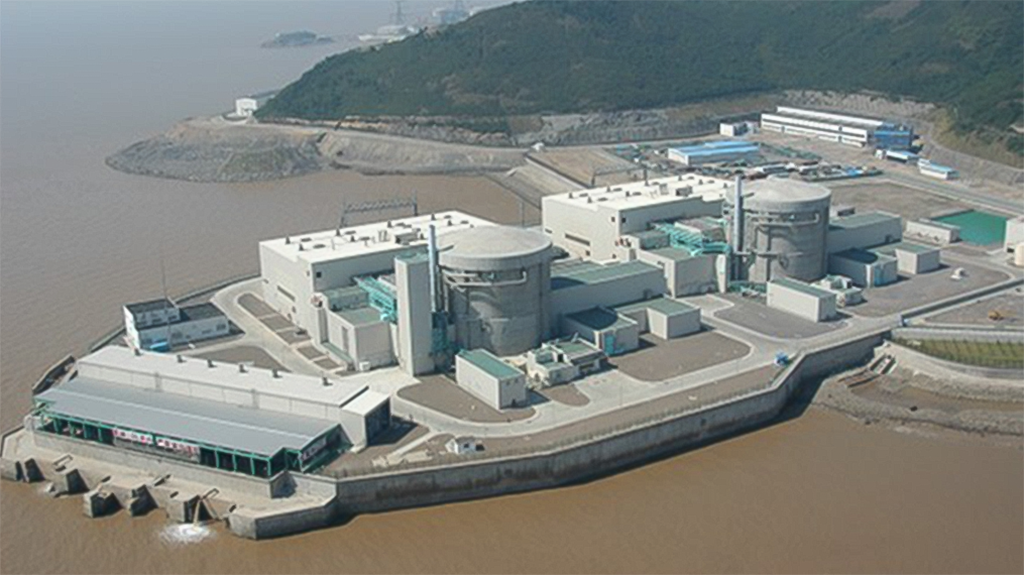
Around 30 Candu reactors currently operate worldwide, including in South Korea, China, India, Argentina, Pakistan and Romania, with two additional reactors already planned.
The strategy also frames nuclear exports as a long-term geopolitical tool. It states that reactor exports create multi-decade partnerships that support Canada’s foreign policy goals. “Reactor exports are not transactional. They establish multi-decade partnerships, creating durable geopolitical and commercial relationships that advance Canada’s broader foreign policy interests,” the document says.
It adds that as Canada seeks to diversify trade relationships and strengthen ties with middle powers, Candu technology could become a central instrument of that strategy.
If export expansion falls short, the strategy suggests Canada could consider developing domestic uranium enrichment capacity. This reflects shifting global dynamics as Western allies reduce reliance on Russia for enriched uranium supply.
Unlike most reactor types, Candu reactors do not require enriched uranium, the document notes, pointing to Canada’s strong position in upstream uranium production and suggesting continued reliance on allied partnerships for fuel security, while keeping enrichment capability under review should domestic non-Candu nuclear capacity grow substantially.
- Latest
- Trending
ADVERTISEMENT