




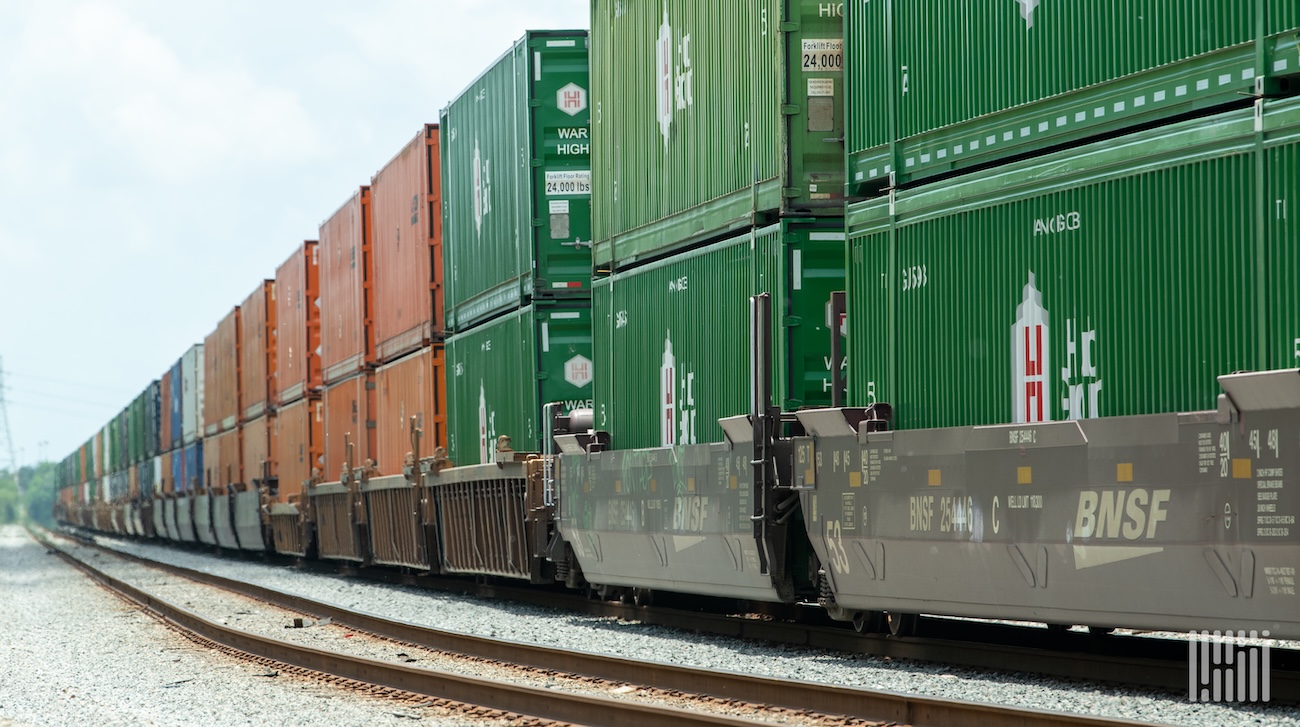
The North American rail industry is continuing to reap the benefits of changing freight patterns with intermodal traffic showing strong growth as shippers continue to move cargo from road transport to rail in search of lower costs and greater efficiency. The latest statistics released by the Association of American Railroads (AAR) show U.S. railroads handled a total of 520,406 carloads and intermodal units during the week ending June 13, representing a 7.2% increase compared with the same period last year.The growth was largely driven by intermodal traffic, which reached 289,447 containers and trailers, up 10.9% year-on-year. Traditional rail carloads also posted positive results, climbing 2.8% to 230,959 units.Industry analysts attribute the strong intermodal performance to rising trucking rates, which are encouraging shippers to transfer more domestic freight onto rail networks. At the same time, an earlier-than-usual peak shipping season has fuelled a surge in international cargo volumes moving through major U.S. ports, creating additional demand for rail services.Among commodity groups, six of the ten categories tracked by the AAR recorded year-on-year gains. Grain shipments delivered the strongest performance, rising 21.7%, supported by robust export activity. Metallic ores and steelmaking materials also posted significant growth, increasing by 19.2%.U.S. grain exports remained particularly strong during the week ending June 11, with 2.807 million metric tonnes inspected and weighed for export, compared with 2.760 million tonnes the previous week and 2.340 million tonnes during the same period last year.Not all sectors experienced growth, however. Coal traffic declined by 8.3%, reflecting seasonal trends, while shipments of motor vehicles and automotive parts slipped by 0.5%.Looking at cumulative performance, U.S. railroads handled 5.22 million carloads during the first 23 weeks of 2026, a 3.2% increase year-on-year. Intermodal traffic reached 6.4 million units, up 2.7%, bringing total combined rail volume to 11.62 million units, representing overall growth of 2.9%.Across North America, the nine reporting railroads in the United States, Canada and Mexico recorded combined weekly traffic of 717,236 carloads and intermodal units, an increase of 5.6% compared with the same week in 2025.Carload traffic across the continent reached 337,700 units, up 1.7%, while intermodal volumes climbed 9.3% to 379,536 units. Total cumulative North American rail traffic for the first 23 weeks of the year reached 15.99 million units, representing a 2.5% increase over the previous year.Canadian railways also posted positive results, handling 93,827 carloads during the week, an increase of 2.8%, while intermodal volumes rose 1.1% to 75,465 units. Year-to-date traffic in Canada reached 3.79 million carloads, containers and trailers, a modest increase of 0.6%.In Mexico, weekly carload volumes declined by 20.3% to 12,914 units. However, intermodal traffic surged by 27.3% to 14,624 units, highlighting the continued strength of containerized freight flows. Although carloads fell for the week, cumulative Mexican rail volume for 2026 was 586,416 units, up 8.2% compared with the same point last year. The latest numbers highlight the increasing significance of intermodal transportation in North American supply chains as companies look for cheaper alternatives to trucking, while also dealing with larger amounts of international trade and changing logistics requirements.
- Latest
- Trending
ADVERTISEMENT