



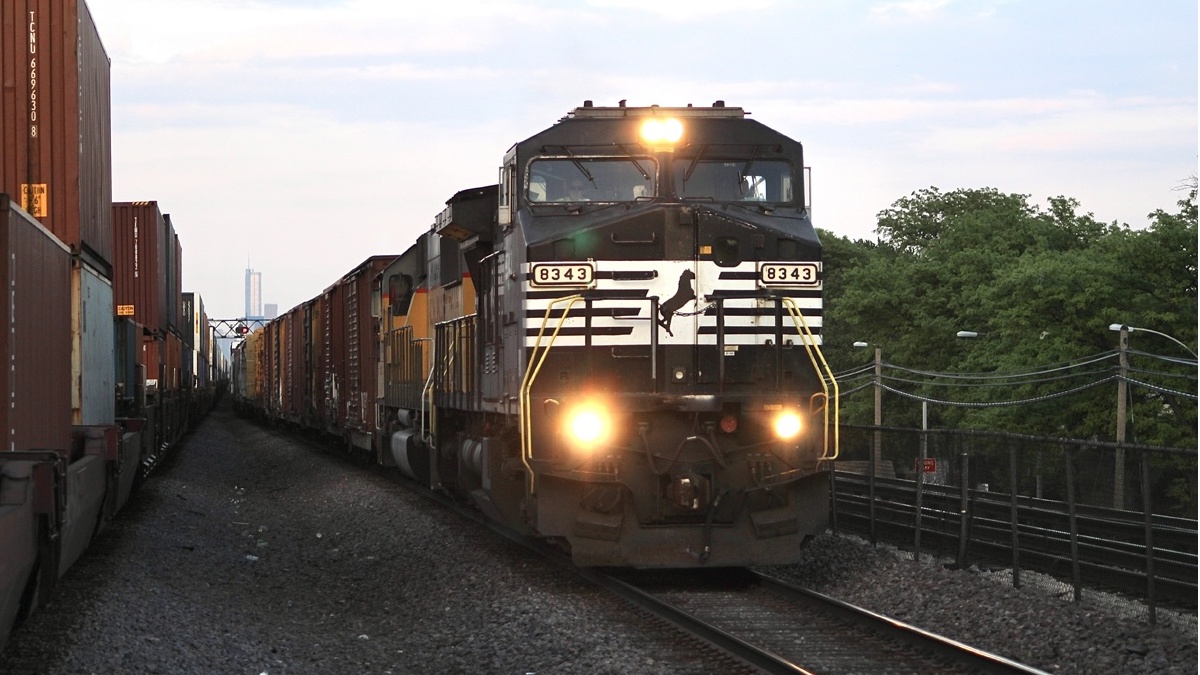
Norfolk Southern Chief Executive Officer Mark George has reaffirmed that the railroad remains fully committed to improving operational performance while simultaneously advancing its proposed merger with Union Pacific, rejecting suggestions that long-term strategic ambitions are distracting the company from current service challenges.
In a LinkedIn post published Monday, George stressed that Norfolk Southern continues to operate as an independent railroad focused on competing and winning in today’s market, even as it evaluates what could become one of the most significant rail mergers in North America.
“From the outset of our announcement to merge strengths with Union Pacific Railroad, we have been clear: Norfolk Southern is not singularly focused on closing a transaction,” George wrote. According to him, responsible leadership requires balancing immediate operational execution with long-term strategic planning.
The CEO acknowledged that the railroad’s recent service performance has not met customer expectations. Norfolk Southern has been dealing with crew shortages, increasing freight volumes and the lingering impact of severe weather earlier this year. Operations were further disrupted following a derailment on March 7 that shut down the company’s main Pennsylvania corridor for 48 hours.
As a result, key performance indicators have deteriorated. Terminal dwell times have increased while average train speeds have declined since February. Although operations briefly improved after the traditional slowdown around the Memorial Day holiday, those gains have largely disappeared over the past two weeks, according to the company’s latest service metrics.
Intermodal performance remains relatively strong, with on-time delivery rates exceeding 95 percent. However, approximately one-third of merchandise shipments arrived more than 24 hours later than originally scheduled during the most recent reporting period.
George said Norfolk Southern has already implemented targeted measures aimed at improving execution and strengthening network resilience. He highlighted the role of the operations team led by newly appointed Chief Operating Officer Brian Barr, who succeeded John Orr after his resignation on May 31.
According to George, Barr and the railroad’s experienced workforce are focused on stabilising operations and delivering measurable improvements over time. He described the railroad’s operational foundation as solid and capable of supporting stronger performance in the months ahead.
Norfolk Southern says it remains committed to enhancing service consistency, improving network fluidity and maintaining clear communication with customers throughout the recovery process.
Addressing criticism that merger discussions could divert attention from operational priorities, George argued that the opposite is true. He believes that building a stronger railroad today is essential for creating future opportunities and long-term value.
The proposed combination with Union Pacific, he said, would address one of the rail industry’s biggest structural limitations: the inability to offer true coast-to-coast service under a single network. By directly connecting eastern and western rail systems without requiring traffic exchanges between carriers, the merged company could strengthen supply chains, support American manufacturing, improve transit times, create workforce opportunities—including union jobs—and enhance national security while reducing costs for shippers.
However, the merger continues to face criticism from competitors and some shipper associations. Critics argue the deal is not needed and could reduce competition in the rail sector, potentially leading to higher transportation costs and operational risks as two large rail networks are merged.
But despite those concerns, Norfolk Southern’s leaders say operational excellence and long-term strategic growth aren’t mutually exclusive but rather complementary goals as the company tries to position itself for the future of North American freight transportation.