




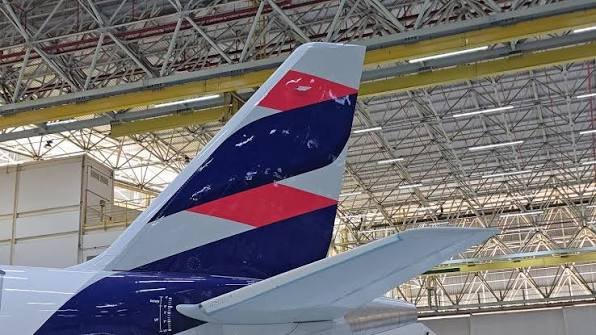
LATAM Airlines Group is continuing to modernise its fleet, with plans to operate 410 aircraft by the end of 2026 as it ramps up deliveries of more fuel-efficient, next-generation aircraft.
During the first half of the year, the airline welcomed 13 new aircraft into its fleet, including seven Airbus A320neo, four Airbus A321neo and two Boeing 787-9 Dreamliners. Another 28 aircraft are expected to arrive before the end of the year, bringing the total number of new deliveries in 2026 to more than 40.
The additional aircraft will support LATAM’s ongoing expansion of its international network and strengthen operations across South America.
Alongside more Airbus A320neo, A321neo and Boeing 787-9 aircraft, the airline will also begin receiving the Embraer E190-E2 for the first time. These aircraft will primarily serve LATAM’s domestic network in Brazil, giving the airline greater flexibility to match capacity with demand across different markets.
Sebastián Acuto, Vice President of Fleet and Projects at LATAM Airlines Group, said fleet renewal remains one of the company’s most important long-term investments.
According to Acuto, a newer and more diverse fleet allows LATAM to grow more efficiently while responding to the increasing demand for air connectivity across South America, where several domestic markets still offer significant growth opportunities.
The expansion will continue beyond this year. In 2027, LATAM expects to take delivery of its first Airbus A321XLR, an aircraft designed to operate longer medium-haul routes. The addition will enable the airline to launch new non-stop routes across South America and further strengthen its regional network.
Looking further ahead, LATAM plans to add up to another 130 aircraft by 2030, with fleet renewal being one of the group’s biggest strategic priorities.
By the end of the decade, LATAM expects that more than half of its fleet will consist of next-generation aircraft that manufacturers say will burn less fuel and emit 20% to 25% less carbon dioxide than previous-generation aircraft, helping LATAM to achieve its goal of net-zero emissions by 2050 and increase operational efficiency across its network.